
Trees
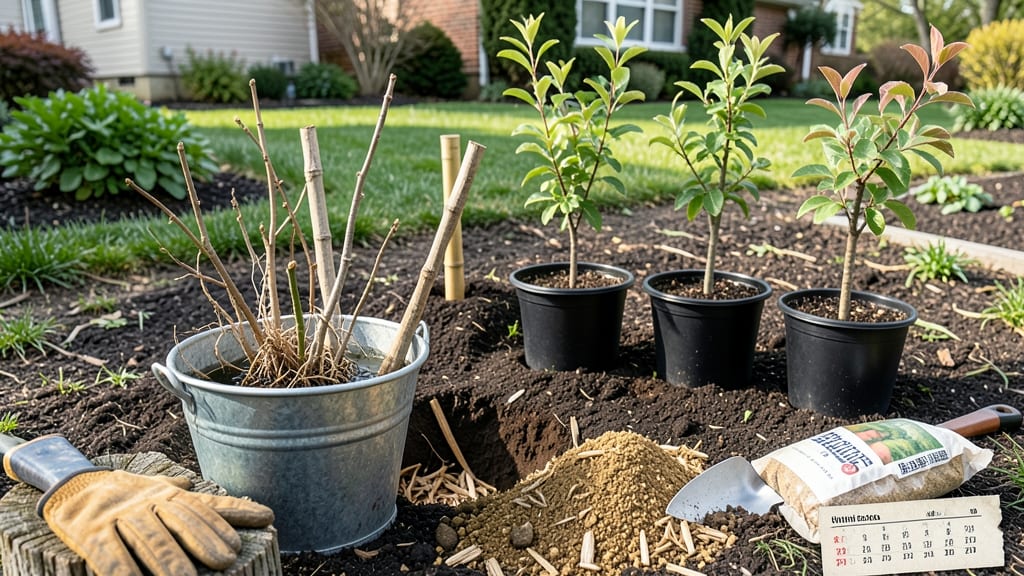
Planting fruit trees at the wrong time in Virginia can mean the difference between a thriving orchard and a sad investment—especially when you factor in chill hours and heat zones.
The key isn't just picking the right season; it's understanding how your specific Virginia climate zone dictates the perfect window for planting 🌱.
Most gardeners know spring is the prime time, but did you realize some fruit trees—like peaches—can handle late-winter bare-root planting, while others, such as apples, prefer the warmth of early spring?
I'll break down the exact months for Virginia's USDA Zones 5 through 8, so you never plant too early or too late.
Whether you're in the Piedmont's rolling hills or the Coastal Plain's milder climate, timing matters. I'll also share how to prep your soil, avoid common mistakes, and even discuss summer transplanting for heat-loving varieties like figs. Let's get those fruit trees growing strong.
Ready to turn your Virginia backyard into a productive orchard? You'll learn how to match your fruit tree choices with the best planting windows—and why some varieties thrive when others struggle. Let’s make sure your trees get off to the right start.
Virginia fruit tree planting calendar by chill hours & heat Zones
Virginia’s diverse climate—spanning USDA Zones 5-8 and chill hour ranges of 500-1,000—means your fruit tree planting window depends on where you live. In the mountains (Zone 5-6), early spring is critical, while Tidewater (Zone 7-8) gardeners can plant later.
But don’t just guess: match your chill hour needs to your zone.
For example, peaches need 500-700 chill hours and thrive in Zone 6-8, while apples require 800-1,200 chill hours and do best in Zone 5-7. Planting at the wrong time can mean poor fruit set or even tree death from late frosts.
Here’s how to align your planting with Virginia’s heat zones (6-8) and chill hour requirements for the best success:
| Zone/Chill Hours | Best Planting Window | Heat Zone | Key Varieties |
|---|---|---|---|
| Zone 5 (800-1,000 chill hrs) | Late February-March (bare-root) or April (container) | 6-7 | Apples, Pears, Cherries |
| Zone 6 (600-800 chill hrs) | March-April (bare-root) or May (transplant) | 6-7 | Peaches, Plums, Blueberries |
| Zone 7 (400-600 chill hrs) | April-May (bare-root) or June (transplant) | 7-8 | Figs, Persimmons, Pecans |
| Zone 8 (200-400 chill hrs) | May-June (transplant only) | 8 | Citrus, Olives, Low-Chill Peaches |
In Zone 5-6, aim for late winter to early spring (February-March) when soil is 40°F+ but before buds swell. This avoids late frost damage while giving roots time to establish. Bare-root trees can handle colder soil, but container-grown trees need warmer conditions.
For Zone 7-8, extend your window to April-June. These areas have milder winters, so late spring planting (May-June) works for transplants or heat-tolerant varieties like figs. Just avoid peak summer heat—root shock is worse when soil is dry and hot.
Pro tip: Check your last frost date (typically mid-April in the mountains to mid-March in Tidewater). Plant 4-6 weeks before to give roots time to anchor before buds break. Use mulch to regulate soil temperature and retain moisture.
Remember, chill hours aren’t just about winter—they’re about consistent cold exposure. If you’re in a microclimate (like a valley or urban heat island), adjust by 1-2 weeks earlier or later. For example, Blacksburg (Zone 6) can plant peaches in March, while Norfolk (Zone 8) waits until May.
Finally, heat zones matter too. In Zone 8, avoid planting in July-August—the intense heat stresses young trees. Instead, opt for early fall (September) for bare-root trees or late winter (January-February) when soil is cool but workable.
Best fruit trees for Virginia’s climate & when to plant them
Virginia’s diverse climate—from the cooler Piedmont to the warmer Coastal Plain—means not all fruit trees thrive equally. I’ve grown apples, peaches, pears, blueberries, and figs here, and each has a perfect planting window tied to chill hours and heat zones.
Let’s break down the top 5 fruit trees for Virginia, their ideal planting months, and how to prep your soil for success.
For apples and pears, aim for late winter to early spring (February–March) when soil is workable but frost isn’t imminent. These trees need 300–800 chill hours, common in Virginia’s USDA Zones 5–7.
I planted a Honeycrisp apple in March last year, and it’s already budding—proof that timing matters!
Peaches and nectarines demand 400–600 chill hours, so they’re best for Zones 6–8. Plant them in early spring (March) or late winter (February) as bare-root saplings. My neighbor’s Redhaven peach tree thrives because he planted it in March, avoiding early frost risks.
Blueberries are finicky—they need acidic soil (pH 4.5–5.5) and summer-bearing varieties like Rabbiteye or Southern Highbush. Plant them in late winter (February–March) or early fall (September–October). I tested my soil first—adding sulfur lowered the pH, and now my bushes are flourishing!
Figs, like Celeste or Brown Turkey, are heat-lovers for Virginia’s Zones 7–9. Plant them in late winter (February–March) or early spring (April). I transplanted a fig in March, and it’s already bearing fruit—no chill hours needed!
Here’s a quick reference for your planting schedule, including soil prep tips for each:
Pro tip: If you’re transplanting mature trees in summer (June–August), water deeply every 2–3 days and mulch heavily to retain moisture. I’ve seen many gardeners skip this, and their trees struggle in Virginia’s humid summers.
Now that you know the best fruit trees for Virginia and their planting windows, your next step is soil prep. Test your soil’s pH and amend it based on the tree’s needs—your future harvest depends on it! 🌱