
Trees
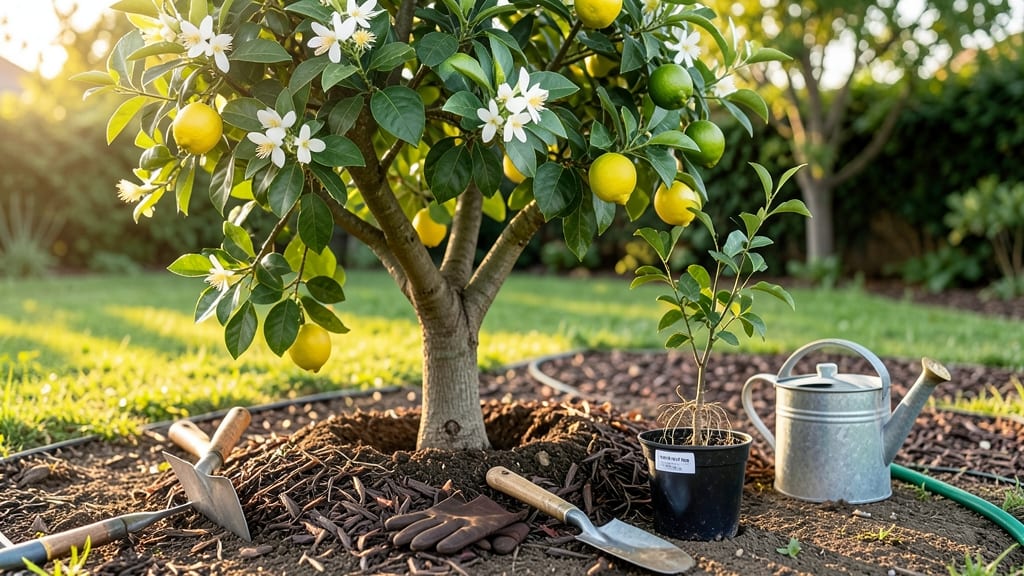
Planting a citrus tree 🍊 in Central Florida might seem simple—until you realize timing can make or break your tree’s survival. With 365 frost-free days in zones 9a-10a, you’d think you’ve got all year, but late-winter planting gives your tree the critical head start it needs before summer’s brutal heat.
Most gardeners assume any time works, but the truth is, February and March are the sweet spots—when soil warms just enough to encourage root growth without stressing the tree.
Miss this window, and you risk stunted growth or even shock from sudden heat spikes, especially for tender varieties like lemons or limes.
I’ve seen firsthand how a well-timed transplant can mean the difference between a lush, fruit-bearing tree and one that struggles to take hold.
Whether you’re dropping a sapling into the ground or potting up a dwarf variety, the right timing aligns with Central Florida’s natural rhythms—and that’s what we’re diving into next.
Ready to plant with confidence? Let’s break down the exact months to aim for, plus pro tips for preparing your soil and protecting your citrus from the region’s quirks—like those sneaky afternoon thunderstorms that can drown young roots. Your future harvest depends on it.
Best planting months for citrus trees in Central Florida’s frost-free zone
Central Florida’s frost-free climate (USDA Zones 9a-10a) lets you plant citrus trees year-round, but timing matters for survival and growth. Unlike northern regions, you won’t face frost threats—but heatwaves and humidity still demand strategic planning.
The ideal window spans February through March and October through November, aligning with mild temperatures and reduced pest pressure.
Why these months? February-March offers cooler soil temps that reduce transplant shock, while October-November avoids summer’s scorching heat. Young trees planted in peak summer (June-August) struggle with root stress and evaporative loss, even in Florida’s humidity.
For container-grown citrus, timing is slightly more flexible—but still avoid extreme heat or cold snaps.
🌱
| Planting Window | Temperature Range | Key Benefits | Risks to Avoid |
|---|---|---|---|
| February–March | 60–75°F | Cooler soil, reduced shock, pest-free | Late cold snaps (rare but possible) |
| October–November | 70–80°F | Humidity aids root growth, no summer stress | Hurricane season (protect young trees) |
| April–May | 80–90°F | Fast growth, abundant rain | Root rot from overwatering |
| June–August | 90°F+ | Container flexibility | Transplant shock, heat stress |
For container-grown citrus, you can plant almost anytime—but prioritize early spring or fall. Containers heat up faster in summer, while winter’s cooler temps can stunt growth.
If planting in summer’s peak heat, use shade cloth for the first 2 weeks and water twice daily to prevent root desiccation.
Microclimates matter! Coastal areas like Cocoa Beach stay warmer year-round, while inland Ocala can dip into the 40s°F at night. If you’re in a cooler pocket, opt for cold-hardy varieties like ‘Satsuma’ mandarins (tolerate 20°F) and plant in containers for mobility during rare cold snaps.
🌿
Pro tip: Bare-root citrus (sold without soil) should only be planted in winter months (December–February) to avoid drying out. Potted citrus (with soil ball) offers more flexibility—plant anytime except during hurricane season (June–November), when uprooting young trees risks damaging roots.
Watch for citrus greening disease, which thrives in Florida’s humidity. Planting in sterilized soil and avoiding overwatering reduces risks. If you’re unsure about your soil, test for pH (6.0–7.0 ideal) and drainage before planting—citrus hates soggy roots.
🪴
Remember: Young citrus trees take 1–3 years to bear fruit, so patience is key. Planting at the right time ensures your tree establishes strong roots before Florida’s summer intensity kicks in. For fastest results, choose dwarf varieties (like ‘Calamondin’ or ‘Meyer lemon)—they fruit sooner and fit smaller spaces.
✅
Best planting months for citrus trees in Central Florida’s frost-free zone
Central Florida’s frost-free climate (USDA Zones 9a-10a) lets you plant citrus trees year-round, but timing matters for survival. While true frosts are rare, unpredictable cold snaps can still damage young trees, especially those under 3 feet tall.
The safest windows are late winter to early spring (February-March) and fall (October-November), when temperatures stabilize.
For container-grown citrus, you can plant almost anytime, but bare-root trees need 6-8 weeks to establish roots before winter’s chill. Even in Central Florida, microclimates (like higher elevations or windy areas) can drop temps to 28°F—lethal for citrus.
Always check local frost alerts via the National Weather Service before planting.
📅 Citrus Planting Timeline for Central Florida
| Season | Best Planting Months | Why It Works |
|---|---|---|
| Late Winter | February–March | Warmer soil, 60+°F nights, minimal frost risk |
| Fall | October–November | Cool roots establish before winter rains; avoids summer heat stress |
| Summer | June–August | Risky for bare-root trees; best for container moves |
| Year-Round | Containers | Flexible timing; protect from extreme heat/cold with shade/windbreaks |
If you plant in summer (June-August), prioritize container-grown trees or bare-root saplings with established root balls. Avoid planting new trees in August—the humidity and heat stress young roots, while September’s storms can uproot shallowly planted specimens.
For dwarf varieties (like ‘Calamondin’ or ‘Meyer lemon), summer planting is less risky due to their hardier root systems.
Pro tip: Bare-root trees planted in February often outperform those planted in November because the soil warms faster, encouraging root growth before the summer rainy season. If you’re in North Central Florida (e.g., Ocala), where temps dip slightly lower, delay until March for extra safety.
For grafted citrus (common in nurseries), the graft union is vulnerable to temperature swings. Plant these after the last frost risk—typically mid-March—to give the graft time to knit before summer.
Always water deeply after planting to reduce transplant shock, especially in sandy Central Florida soils that dry out quickly.
Remember: Citrus trees hate soggy roots. If your planting month coincides with heavy rains (like June or September), amend your soil with organic matter (compost or pine bark fines) to improve drainage. This is critical in low-lying areas where water pools after storms.