
Flowers
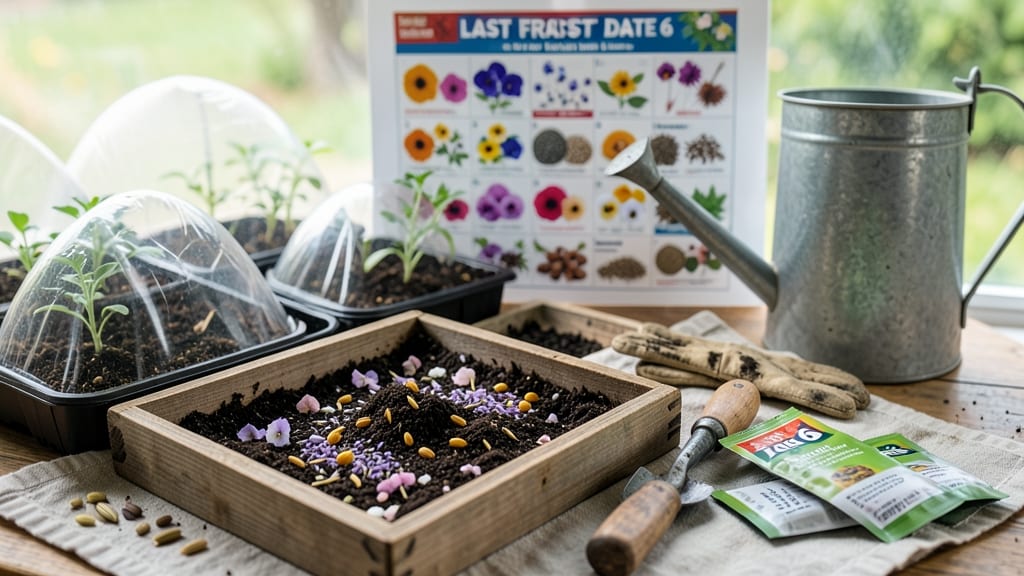
Planting flower seeds 🌸 at the wrong time in Zone 6 can mean the difference between a vibrant garden and a sad pile of frost-killed sprouts.
The key is knowing when to start—too early and you risk losing everything to late frosts, but timing it just right gives you a head start on the growing season.
For most annuals and tender perennials, the sweet spot is 4-6 weeks before your last frost date, which in Zone 6 typically lands in early April. But don’t stop there—fall planting is just as important, with many cold-hardy varieties thriving when sown in September or October.
I’ve learned the hard way that rushing the process leads to weak seedlings, while waiting too long cuts the bloom season short. The solution? A simple checklist that accounts for soil temperature, frost dates, and the specific needs of your chosen flowers.
Let’s break down the exact months to plant, how to adjust for early or late bloomers, and the common mistakes that kill seedlings before they even get a chance. Your perfect garden starts with the right timing—and this guide makes it effortless.
Zone 6 flower seed planting calendar: exact months by flower type
In Zone 6, your planting timeline revolves around two critical dates: the last frost date (around April 15) and the first frost date (around October 15).
Most flower seeds need to be sown 4-6 weeks before the last frost for spring blooms or 6-8 weeks before the first frost for fall planting. This ensures seedlings emerge strong and mature before harsh weather strikes.
Spring planting is ideal for annuals like marigolds, zinnias, and petunias, while perennials such as coneflowers and black-eyed Susans benefit from fall sowing. The key is matching each flower’s soil temperature needs—most seeds germinate best when soil reaches 60-70°F.
Here’s a quick breakdown of the best months to plant common flowers in Zone 6, along with their frost sensitivity and care tips:
| Flower Type | Best Planting Months | Soil Temp Requirement | Frost Sensitivity | Care Tip |
|---|---|---|---|---|
| Annuals (Marigolds, Zinnias) | March–April, September | 60–70°F | Moderate | Deadhead spent blooms for continuous flowers. |
| Perennials (Coneflowers, Black-Eyed Susans) | April–May, September–October | 55–65°F | Hardy | Mulch after planting to retain moisture. |
| Cold-Hardy (Pansies, Snapdragons) | February–March, September–October | 45–55°F | Very Hardy | Plant early for fall/winter color. |
| Biennials (Foxgloves, Hollyhocks) | April–May | 50–60°F | Moderate | Sow directly in garden for best results. |
For spring planting, start seeds indoors 6-8 weeks before the last frost if your growing season is short. This gives delicate flowers like petunias and geraniums a head start. Use grow lights or a sunny windowsill to prevent leggy seedlings.
Fall planting is often overlooked but critical for perennials and winter-blooming flowers like pansies and calendulas. Sow seeds in September for early spring blooms or October for winter color. The cooler temperatures reduce pest pressure and encourage strong root growth.
Always check your seed packets for specific instructions—some varieties, like snapdragons, can handle light frost, while others, like cosmos, bolt in heat. Adjust your timeline based on these details to avoid wasted effort or stunted growth.
Pro tip: Use a seedling heat mat for early starts. It speeds up germination and helps seedlings outpace slow soil warming in spring. Just
Finally, keep a gardening journal to track your planting dates and success rates. Over time, you’ll fine-tune your schedule to match your microclimate—whether that’s a sunny south-facing bed or a shadier corner where frost lingers longer.
With this calendar, you’ll never miss the perfect planting window again. Happy gardening! 🌱
Zone 6 flower seed planting calendar: exact months by flower type
In Zone 6, the difference between a thriving flower garden and a frost-killed disappointment often comes down to precise timing. Most annual flowers like marigolds and zinnias need to go in the ground 4-6 weeks before your last frost date, which typically falls around mid-April.
But perennials like coneflowers or black-eyed Susans can handle cooler soil and often do better when sown in early spring or even late fall.
For cold-hardy flowers such as snapdragons or pansies, you can start seeds indoors as early as February to give them a head start. However, direct sowing outdoors should wait until soil temperatures consistently stay above 40°F, usually by late March or early April.
Fall planting for biennials like foxgloves or hollyhocks should happen 6-8 weeks before the first frost, around mid-September.
Here’s the breakdown of ideal planting windows to maximize blooms all season long:
| Flower Type | Best Planting Months | Soil Temp Requirement | Notes |
|---|---|---|---|
| Annuals (e.g., zinnias, marigolds) | March–April, September | 45–75°F | Direct sow after last frost; succession plant for continuous blooms. |
| Perennials (e.g., coneflowers, daylilies) | March–April, September–October | 40–60°F | Sow seeds early or transplant established plants in spring. |
| Biennials (e.g., foxgloves, hollyhocks) | September–October | 50–65°F | Plant seeds in fall for spring blooms; avoid transplant shock. |
| Cold-Hardy (e.g., pansies, snapdragons) | February (indoors), March–April (outdoors) | 35–50°F | Start indoors early; transplant after frost risk passes. |
Pro tip: Always check the seed packet for specific instructions—some varieties, like sweet peas, need a cold stratification period to germinate properly. If you’re unsure about your last frost date, use a frost calendar for your local area or set up a soil thermometer to monitor temperatures.
For late-summer bloomers like cosmos or sunflowers, you can even direct sow seeds in June for a second flush of color. Just be prepared to protect them from late-season heat with shade cloth if temperatures soar above 90°F.
The key is flexibility—adjust your schedule based on weather patterns and the specific needs of your chosen flowers.
Once you’ve got your timing down, the next step is ensuring your seedlings have the best possible start. That means well-draining soil, consistent moisture, and protection from pests. But we’ll cover those details in the next section—stay tuned!