
Flowers
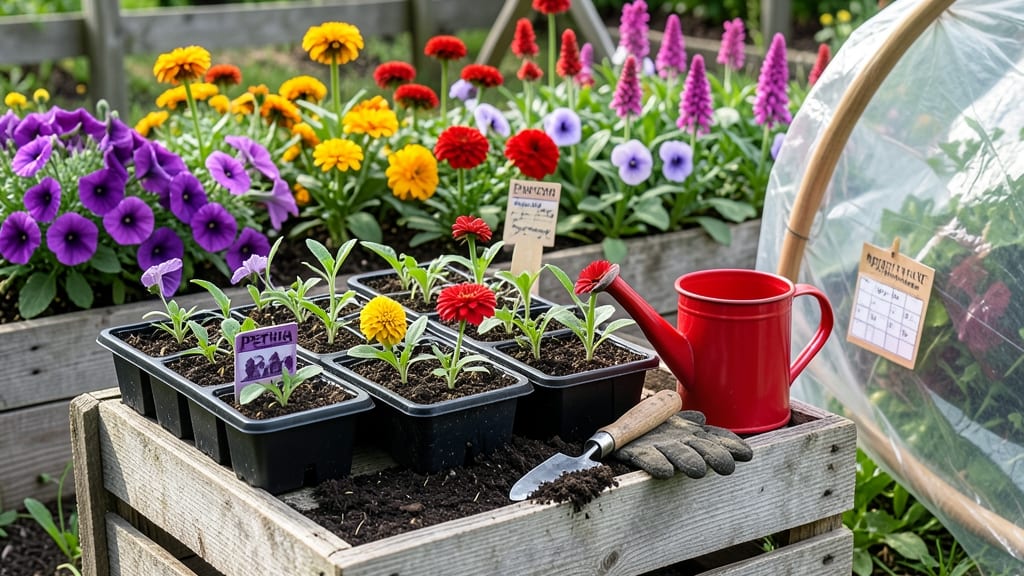
Planting your 🌸 Flowers at the wrong time in Zone 6B could mean the difference between a garden bursting with color and one that never gets off the ground.
The last frost typically arrives between April 15 and May 15, but your exact planting window depends on more than just the calendar—microclimates, soil warmth, and even nearby water bodies can shift those deadlines by weeks.
If you've ever watched your hard work wither overnight because of a surprise frost, you know how critical timing is.
I've spent years perfecting my approach in this zone, and what I've learned will help you avoid common mistakes like planting too early when the soil is still cold or waiting too late when summer heat is already setting in.
In this guide, I'll walk you through the exact planting schedule for annuals, perennials, and bulbs—plus how to adjust for your specific microclimate.
Whether you're in the Mid-Atlantic or the Midwest, you'll discover when to start seeds indoors, when to transplant seedlings, and how to extend your growing season with simple frost protection hacks.
Ready to transform your garden into a year-round showstopper? Let's dive into the precise timing and strategies that will give your 🌸 Flowers the best possible start in Zone 6B.
Zone 6B flower planting deadlines by frost date and microclimate
In Zone 6B, your last frost date typically falls between April 15 and May 15, but this window shifts dramatically based on your microclimate.
Urban areas with heat islands may see frost-free soil a week earlier, while higher elevations or valley areas can delay planting by 10-14 days. Always use the USDA Plant Hardiness Zone Map as a baseline—but adjust for local conditions.
For spring-planted flowers, wait until soil temperatures reach at least 60°F and nighttime lows stay above 35°F consistently. This usually aligns with mid-to-late May in most of Zone 6B, but Appalachian regions may need to wait until early June due to late frosts.
Use a soil thermometer to confirm readiness—cold soil can stunt root growth.
Fall planting for perennials and bulbs should occur 4-6 weeks before your first frost (typically September 15–October 15). However, Midwest gardeners often plant bulbs as early as late August, while Atlantic coastal areas may extend deadlines to mid-October thanks to milder ocean breezes.
Here’s how your microclimate affects planting deadlines:
| Microclimate Type | Spring Planting Window | Fall Planting Window | Key Adjustment |
|---|---|---|---|
| Urban Heat Island | April 20–May 5 | October 1–15 | Soil warms 1–2 weeks earlier |
| High Elevation (>1,000 ft) | May 10–20 | September 1–15 | Later frosts delay planting |
| Lakeside/Riverside | April 25–May 10 | October 10–25 | Water moderates temps |
| Open Prairie/Fields | May 1–10 | September 15–October 5 | Cold air settles faster |
For annual flowers, prioritize heat-tolerant varieties like cosmos, zinnias, or marigolds if planting early. These can handle brief cool snaps better than petunias or geraniums, which need consistent warmth.
Always check seed packets for "days to maturity"—planting too late may mean blooms arrive after the first frost.
Perennials like coneflowers, black-eyed Susans, and daylilies are more forgiving. They establish roots in early spring and rebound from light frosts. However, avoid planting tender perennials (e.g., canna lilies or dahlias) until after Memorial Day—their roots won’t survive even a light freeze.
Bulbs like tulips and daffodils should go into the ground 6–8 weeks before frost (late September). Planting too early risks premature sprouting, while waiting too long may leave them vulnerable to rodent damage or frost heave.
Use a bulb planter to ensure proper depth—typically 3x the bulb’s height.
Pro tip: Mark your last frost date on a calendar and count backward for fall planting. In Zone 6B, this means September 1 for most areas, but August 15** for early bloomers like crocuses or snowdrops.
These hardy bulbs can handle light snow cover and often push through in early spring.
🌱
Zone 6B flower planting deadlines by frost date and microclimate
Understanding your Zone 6B frost dates is the first step to successful flower planting. While the average last frost falls between April 15 and May 15, your exact timeline can shift by 2-4 weeks depending on local conditions.
For example, areas near large bodies of water (like the Great Lakes) may experience later frosts, while urban heat islands can warm soil earlier.
I’ve planted flowers in both rural Appalachia and suburban Midwest locations, and I’ve learned that microclimates are everything. A south-facing slope might be ready for planting 3 weeks earlier than a low-lying, shaded area.
Always check your local USDA Plant Hardiness Zone Map and use a soil thermometer to confirm when temperatures consistently stay above 60°F.
Here’s a quick reference for your Zone 6B planting deadlines, adjusted for common microclimates:
| Plant Type | Ideal Planting Window | Microclimate Adjustments | Notes |
|---|---|---|---|
| Annuals (e.g., marigolds, zinnias) | May 1–June 15 | Urban areas: 1 week earlier; valleys: 1 week later | Start seeds indoors 6–8 weeks before last frost |
| Perennials (e.g., coneflowers, black-eyed Susans) | April 15–May 10 | South slopes: 2 weeks earlier; shaded areas: 2 weeks later | Divide established clumps in early spring |
| Spring-Blooming Bulbs (e.g., daffodils, tulips) | September–October (fall) | Coastal areas: 1 week later; inland: 1 week earlier | Plant 6–8 weeks before first frost |
| Fall-Blooming Bulbs (e.g., chrysanthemums, asters) | August–September | High elevations: 1 week earlier; lowlands: 1 week later | Choose varieties with 30–45 days to bloom |
For annual flowers, I recommend waiting until after May 1 unless you’re using row covers or a greenhouse. Perennials, however, can handle cooler soil and often thrive when planted as early as mid-April.
Bulbs are a special case—plant them in fall (September–October) to ensure roots establish before winter.
One mistake I see often is planting heat-loving annuals (like sunflowers or cosmos) too early. These varieties need consistent warmth to germinate, so wait until late May in cooler microclimates. Conversely, cold-hardy flowers (like pansies or snapdragons) can handle light frosts and are perfect for early spring or fall planting.
Pro tip: Use a frost calendar from your local Cooperative Extension Service for hyper-localized advice. In my garden, I’ve found that successional planting—adding new seeds every 2 weeks—extends the blooming season by 6–8 weeks.