
Flowers
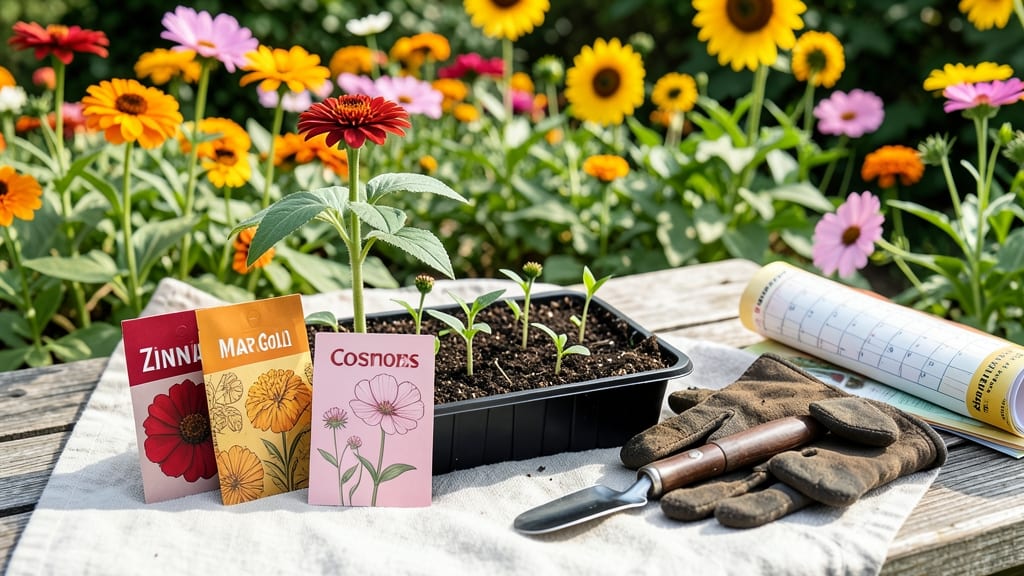
Planting flower seeds at the wrong time in Kansas can mean the difference between a vibrant garden and a sad pile of frost-nipped seedlings. With USDA Zones 5b-7a and microclimates that shift from county to county, timing isn’t just important—it’s everything.
I’ve spent years watching gardens thrive (and fail) in Kansas, and the key is knowing when to get those seeds in the ground. Whether you’re in Wichita’s heat or the cooler hills near Topeka, the last frost date isn’t just a number—it’s your deadline.
Miss it, and your 🌸 marigolds might never bloom.
But here’s the good news: with the right strategy, you can stretch your blooms from spring to fall. We’ll break down the exact planting windows for your county, plus how to outsmart Kansas’s unpredictable weather—so you can enjoy flowers all season long.
Ready to turn your garden into a nonstop parade of color? Let’s get those seeds in the ground at the perfect moment—no guesswork, just results.
Kansas flower seed planting deadlines by county: avoid frost damage
Kansas’s diverse microclimates mean your last frost date could be weeks apart from your neighbor’s—especially when comparing USDA Zone 5b areas like Hays to Zone 7a regions like Wichita.
To maximize your flower seed success, we’ve mapped out county-specific planting windows based on 2024 averages, so you can plant annuals, perennials, and cold-hardy varieties at the perfect time.
For most of Kansas, spring planting begins in early March in southern counties (e.g., Sedgwick) but waits until mid-April in northern regions (e.g., Rice). Fall planting for hardy annuals like pansies or snapdragons starts as early as late August in the north but can extend to mid-September in the south.
Missing these windows risks frost damage or bolting before blooming.
Use this county-by-county guide to align your planting with local frost dates. For example, Johnson County (Overland Park) has a last frost date of April 15, while Finney County (Garden City) can plant two weeks earlier.
Pro tip: Check the Kansas State University Extension for real-time updates—their Frost Free Date Calculator is a game-changer.
Kansas County Planting Deadlines
| County | Last Frost Date | Spring Planting Window | Fall Planting Window | Notes |
|---|---|---|---|---|
| Sedgwick (Wichita) | April 10 | March 15 - April 10 | September 1 - 15 | Zone 7a; drought-prone |
| Johnson (Overland Park) | April 15 | March 20 - April 15 | August 25 - Sept 10 | Zone 6b; urban heat island |
| Rice (Hays) | April 25 | April 1 - April 25 | September 10 - 20 | Zone 5b; windy plains |
| Finney (Garden City) | April 5 | March 1 - April 5 | August 20 - Sept 5 | Zone 6a; high elevation |
| Douglas (Lawrence) | April 12 | March 15 - April 12 | September 1 - 10 | Zone 6a; moderate climate |
*Dates based on 30-year averages; verify locally before planting.
If you’re planting cold-hardy annuals like snapdragons or calendulas, you can push the envelope by sowing seeds 4-6 weeks before your county’s last frost date. These tolerate light frost and will sprout faster in warmer soil (aim for 40°F+).
For heat-loving flowers like zinnias or sunflowers, wait until after May 1 to avoid bolting from sudden heat spikes.
For perennials, timing shifts slightly: Sow seeds in late spring (May) for first-year blooms, or divide established plants in early fall (September) to encourage root growth before winter. Daylilies and black-eyed Susans
How to extend your Kansas flower season: staggered planting for continuous blooms
Kansas summers are short but sweet, and you don’t have to settle for a single burst of color! By using succession planting and heat-tolerant varieties, you can enjoy blooms from early spring to late fall.
The key is strategic timing—think of it like a gardening relay race where each new batch of seeds takes over as the last one fades.
Start with cold-hardy annuals like pansies and snapdragons in early spring (March) for vibrant color before summer heat sets in. These tough little flowers can handle light frosts and even thrive in cooler temperatures.
Pair them with zinnias or marigolds planted every 3 weeks through June to keep the blooms coming.
For late-summer magic, focus on heat-loving varieties like sunflowers, cosmos, and portulaca. These plants thrive in Kansas’s 90°F+ temperatures and can be sown as late as mid-July for fall blooms.
A little shade cloth can help protect delicate seedlings from intense afternoon sun during those hot planting windows.
Don’t overlook fall planting—many flowers like astors and calendula can be sown in August for stunning autumn displays. Just be mindful of your first frost date (typically mid-October) and choose varieties that can handle cooler nights.
🌸 Succession Planting Pros & Cons
Pros
- Continuous blooms all season
- Prevents pests/diseases from spreading
- Maximizes garden space efficiency
- Extends harvest season for cut flowers
Cons
- Requires frequent monitoring of seed packets
- Some space competition between batches
- Late plantings may miss peak blooms if sown too late
For gardeners in USDA Zone 6 (northern Kansas), consider using cold frames or row covers to start tender seeds like petunias or geraniums 4-6 weeks before your average last frost date. This gives you a 2-3 week head start on neighbors who plant after the official frost-free date.
Pro tip: Keep a planting calendar with your local Kansas State University Extension frost dates. Mark your garden with stakes or flags to track where each batch of seeds goes—this helps avoid confusion when managing multiple plantings. With these strategies, your Kansas garden can be a year-round floral showstopper!