
Plants
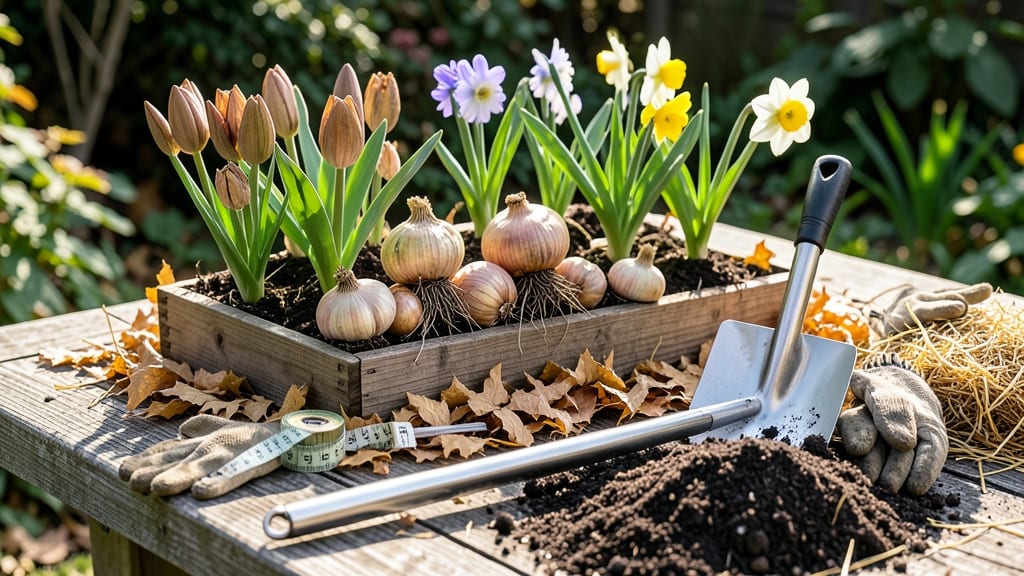
Planting fall bulbs in Zone 4 at the wrong time can mean weak blooms—or no flowers at all next spring. The key to vibrant tulips, daffodils, and crocuses lies in those critical weeks before frost, when roots establish deep in the soil before winter sets in.
Most gardeners in Zone 4 aim for October to November, but timing isn’t one-size-fits-all. Soil temperature, frost dates, and even last year’s weather can shift your ideal window. I’ll break down exactly when to plant for strong root growth and how to adjust if frost comes early or late.
You’ll also discover how to prep your soil, space bulbs correctly, and care for them post-planting to ensure those late spring blooms are showstoppers. Let’s get your garden ready for next year’s color explosion—starting with the perfect planting schedule.
Whether you’re a first-time gardener or a seasoned pro, these insights will help you avoid common mistakes and maximize your fall bulb success. Ready to dig in?
Optimal fall planting weeks before frost for Zone 4 bulbs
In Zone 4, where winters are long and cold, timing your fall bulb planting correctly ensures strong root growth before the ground freezes. The ideal window is 6-8 weeks before your first frost date, which typically falls between mid-October and early November in most Zone 4 regions.
This timing allows bulbs to establish roots in 50-60°F soil—perfect for growth without encouraging premature sprouting.
For example, if your average first frost arrives on October 15th, aim to plant bulbs by September 1st to give roots time to anchor before winter. Conversely, if frost hits later (like November 1st), you can extend your window until mid-October.
Always check your local USDA Plant Hardiness Zone map for precise frost dates.
Soil temperature is the key factor—bulbs need 40-60°F soil to root but won’t tolerate freezing. Use a soil thermometer to confirm conditions. If soil temps drop below 50°F, delay planting until conditions improve. Cold soil can stunt root growth, leading to weak or non-flowering bulbs the following spring.
Regional variations matter too. Northern Zone 4 areas (like Minnesota or Maine) may need to plant earlier (late September), while southern parts (like Ohio or Pennsylvania) can wait until early November. Adjust based on your microclimate—shady spots freeze faster than sunny areas.
| Stage | Action | Soil Temp | Timeframe (Zone 4) |
|---|---|---|---|
| Prep Soil | Loosen soil, add compost | 60-70°F | Late August - Early September |
| Plant Bulbs | 6-8 weeks before frost | 50-60°F | Mid-October - Early November |
| Root Growth | Bulbs establish roots | 40-50°F | November - December |
| Winter Dormancy | Bulbs rest in cold soil | Below 32°F | January - March |
| Spring Growth | Foliage emerges, blooms form | Above 40°F | April - May |
Proper bulb spacing and depth also impact success. Plant tulips and daffodils 6-8 inches deep and 6 inches apart, while smaller bulbs like crocuses only need 3-4 inches deep.
Deeper planting protects bulbs from freeze-thaw cycles and rodent damage. Use a bulb planter or trowel for precision—uneven depths can lead to uneven blooming.
After planting, water thoroughly to settle soil around bulbs, but avoid overwatering, which can cause rot. A 1-inch layer of mulch (like straw) helps insulate bulbs and retain moisture.
In Zone 4, this mulch layer is especially critical for protecting bulbs during deep freezes or thaw cycles that can heave soil and damage roots.
One common mistake is planting too early when soil is still warm. If you plant in August or early September, bulbs may sprout prematurely and get fried by early frosts. Wait until soil cools to 60°F or below before planting.
Conversely, planting too late (after November 1st) leaves bulbs with insufficient root growth before winter, often resulting in poor or no blooms the next spring.
To maximize success, test your soil’s drainage before planting. Bulbs rot in waterlogged soil, so amend heavy clay with compost or sand if needed. Well-draining soil is non-negotiable for Zone 4 bulbs, as winter thaws can turn compacted soil into a soggy mess.
Aim for soil that drains within 24 hours of watering.
Finally, label your bulbs if planting a mix of varieties. This helps you track which tulips, daffodils, or alliums thrive in your garden and plan future plantings.
In Zone 4, some bulbs (like daffodils) are more cold-hardy than others (like tulips), so knowing what you planted ensures you can adjust care accordingly.
Optimal fall planting weeks before frost for Zone 4 bulbs
In Zone 4, the 6-8 weeks before first frost is the golden window for planting fall bulbs like tulips and daffodils. This timing ensures bulbs establish strong roots before winter dormancy.
For most of Zone 4, that means planting between mid-October and early November, depending on your exact location.
Soil temperatures below 60°F (15°C) signal it's time to plant. Use a soil thermometer to confirm—bulbs need 4-6 weeks of root growth before the ground freezes.
In northern Zone 4 (e.g., Minnesota), aim for late September to October, while southern areas (e.g., Ohio) can wait until October-November.
Zone 4 Fall Bulb Planting Timeline
| Stage | Action |
|---|---|
| Soil Prep | Test soil pH (6.0-7.0), amend with compost |
| Planting Window | 6-8 weeks before first frost (Oct-Nov) |
| Depth | 2-3x bulb height (e.g., 6" for tulips) |
| Spacing | 4-6" apart (check variety guidelines) |
| Post-Planting | Water deeply, mulch 2-3" thick |
Missed the window? Don't panic. Bulbs can tolerate light freezing once planted, but avoid planting when soil is frozen or soggy. For early frost years, prioritize hardy varieties like crocuses or snowdrops, which can handle colder soils.
Always plant bulbs with the pointy end up—this ensures proper growth direction.
Pro tip: Mark your planting location with stakes or flags so you remember where bulbs are planted. This prevents accidental digging in spring. Daffodils and alliums are deer-resistant, making them great choices for Zone 4 gardens where wildlife browsing is a concern.
After planting, water thoroughly to settle soil around bulbs. A 2-3 inch mulch layer of straw or leaves insulates roots during winter. Avoid fertilizing in fall—bulbs need to focus on root growth, not foliage. Save fertilization for early spring when shoots emerge.
Remember: Patience pays off. Bulbs may not bloom until next spring, but proper fall planting ensures vibrant, long-lasting flowers for years to come. The key is giving them time to establish roots before winter—just like prepping your garden for a successful hibernation! 🌿