
Plants
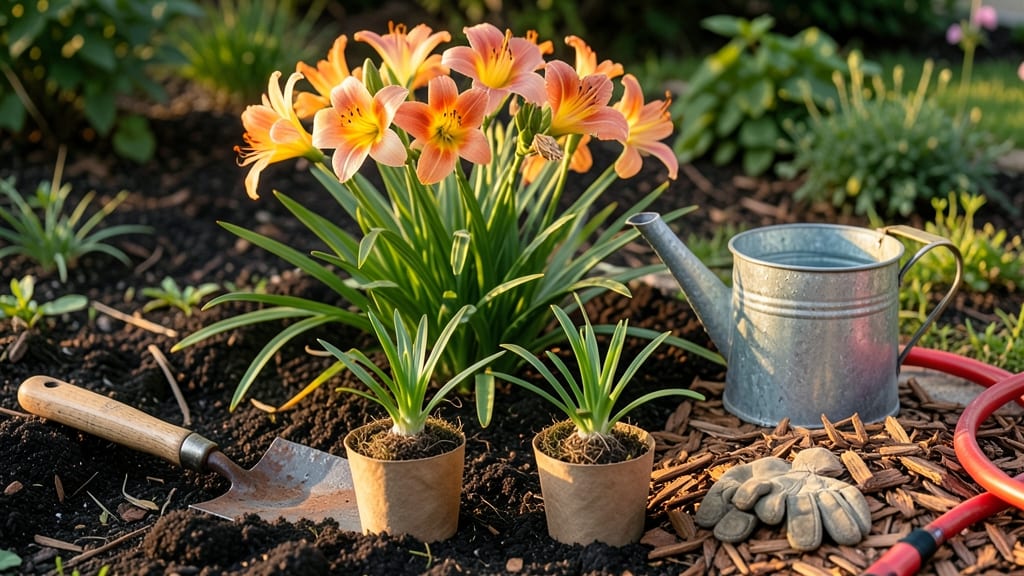
Planting your daylily 🌸 bulbs at the wrong time in Zone 8 could mean weak roots or frost damage—so timing is everything. Unlike other plants, daylilies thrive when soil temperatures hover between 60-70°F, giving them just enough time to establish strong roots before winter sets in.
Most gardeners in Zone 8 swear by fall planting, ideally 4-6 weeks before your first frost (around early November). But if you miss that window, early spring is your next best bet—just make sure the ground isn’t still frozen.
The key is avoiding those chilly nights that can shock young plants.
Whether you’re working with bareroot divisions or potted bulbs, proper prep makes all the difference. We’ll walk you through soil prep, mulching tricks, and how to adjust for your specific microclimate—whether you’re near the coast or inland. Let’s get those daylilies growing strong!
Ready to skip the guesswork? I’ll show you exactly when to plant, how deep, and what to watch for so your daylilies bloom like crazy next summer. No more second-guessing—just confident planting.
Best planting months for daylily bulbs in Zone 8
In Zone 8, your daylily rhizomes (not true bulbs!) need 60-70°F soil to establish roots before winter. The best window is September through November, giving them 4-6 weeks to settle before frost. If you miss fall, early spring (March-April) works too—just avoid frozen ground.
Coastal areas can plant slightly later due to milder winters, while inland zones should aim for early October at the latest. The goal? Root growth before dormancy—no flimsy stems come summer!
Here’s the breakdown of your Zone 8 planting timeline, including soil temp cues and frost risks:
| Month | Soil Temp | Frost Risk | Best For |
|---|---|---|---|
| September | 65-75°F | Low | Ideal—roots establish fast |
| October | 60-70°F | Moderate | Best balance—roots + frost prep |
| November | 55-65°F | High | Last chance—plant 4+ weeks before frost |
| March | 50-60°F | None | Spring backup—soil must thaw |
| April | 60-70°F | None | Peak growth—plant ASAP |
Pro tip: Use a soil thermometer to confirm temps—daylilies hate soggy, cold soil. Aim for 60°F+ at planting depth (2-3 inches).
For coastal Zone 8 gardeners, extend your window to early December—milder winters delay frost. Inland areas? Stick to October to avoid early cold snaps.
Ever wonder why some daylilies bloom bigger in fall planting? It’s all about root density—fall-planted rhizomes develop a stronger network before summer heat hits. Think of it as their "training camp."
If you’re dividing existing daylilies, plant those rhizomes (not bulbs!) in late summer (August) for a head start. They’ll establish roots before winter and burst into color next year.
Zone 8’s variable frost dates (November 15 average, but can hit October!) mean timing is everything. Check your local USDA frost map—even a 2-week shift can make or break your planting.
Remember: Daylilies are hardy but not frost-proof. A late spring freeze can damage tender new growth, so mulch heavily after planting for insulation. Now go dig those rhizomes!
Best planting months for daylily bulbs in Zone 8
Zone 8 gardeners have a 6-week window for planting daylily rhizomes (not true bulbs) to ensure strong root growth before winter. The ideal months are September through early November—when soil temps stay between 60-70°F and frost isn’t imminent.
This timing lets roots establish before dormancy, giving you healthier blooms next summer.
For those who miss fall planting, early March to April works too—just wait until the soil warms above 55°F and all frost risk has passed.
Coastal areas can plant slightly later (up to mid-November) since they experience milder winters, while inland zones should aim for early October to avoid unexpected cold snaps.
| Season | Planting Window | Soil Temp | Key Consideration |
|---|---|---|---|
| Fall | September–early November | 60–70°F | 6 weeks before first frost |
| Spring | March–April | 55°F+ | After last frost date |
| Coastal Adjustment | Up to mid-November | 58–65°F | Milder microclimates |
Pro tip: Use a soil thermometer to confirm temps—daylilies hate soggy, cold soil. If your area has unpredictable frost dates, err on the earlier side (early September) rather than late fall planting, which can leave rhizomes vulnerable to winter heaving.
For bareroot divisions, plant immediately upon arrival—they establish roots faster than potted bulbs. If using potted daylilies, harden them off for 3–5 days before planting to reduce transplant shock. Water deeply after planting, but avoid waterlogged soil, which causes rot.
Remember: Daylilies are perennials, so proper fall planting means fewer divisions and more blooms for years to come. Skip the guesswork by marking your frost dates and planning accordingly—your future self (and your garden) will thank you!
Once planted, mulch with 2–3 inches of organic matter (like straw or shredded leaves) to insulate roots during winter’s chill. This simple step can mean the difference between thriving plants and frost-damaged failures.