
Flowers
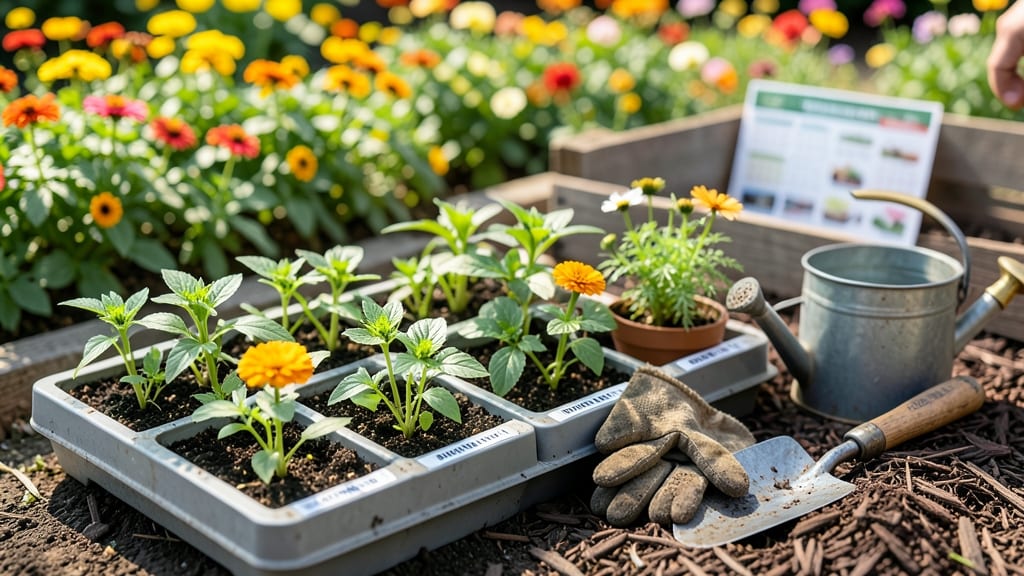
Planting fall flowers in Georgia at the right time means the difference between a show-stopping garden and wilting disappointment before winter arrives. The key is timing—too early, and your delicate blooms suffer from summer’s lingering heat; too late, and frost steals your show before you even enjoy it.
With Georgia’s USDA Zones 7b-8a offering a perfect window from late summer to early fall, you’ve got a golden opportunity to create a vibrant display. But knowing exactly when to plant your cosmos, mums, and pansies—plus how to prep your soil—will set you up for success.
I’ll break down the ideal planting schedule for Georgia’s climate, including the best varieties to thrive in your heat zone. Whether you’re a seasoned gardener or just starting, these tips will help you avoid common mistakes and keep your garden blooming until the first frost.
Ready to transform your yard into a fall paradise? Let’s dive into the perfect timing and care tips to make your flowers last all season long.
Fall flower planting timeline for Georgia’s heat zones 7b-8a: exact weeks to plant for peak blooms
Georgia’s fall planting window runs from late August to mid-October, but not all flowers thrive in the same heat. The key is planting 6-8 weeks before your first frost date (typically mid-November in most of Georgia).
This ensures blooms appear before winter’s chill sets in. For Heat Zone 7b, aim for late August to early September—earlier than Zone 8a, where you can extend planting until mid-October.
Timing matters because soil temperatures drop below 60°F by late October, slowing root growth. Heat-sensitive varieties like pansies and snapdragons need cooler soil to establish roots, while cosmos and zinnias can handle Georgia’s lingering summer heat.
Always check your local frost forecast—a late frost in October can ruin early plantings.
Here’s your week-by-week planting schedule for Georgia’s fall flowers, tailored to avoid heat stress and frost damage:
| Planting Window | Best Flowers | Soil Temp Goal | Avoid Planting If |
|---|---|---|---|
| Late August | Cosmos, Zinnias, Marigolds | 65–75°F | Night temps below 60°F |
| Early September | Pansies, Snapdragons, Sweet Alyssum | 60–68°F | Soil temps >75°F |
| Mid-September | Mums, Asters, Calendula | 55–65°F | Frost risk in 2 weeks |
| Late September | Sweet Peas, Stock, Lobelia | 50–60°F | Soil temps <50°F |
| Early October | Kale (flowering), Cabbage (ornamental) | 45–55°F | Frost imminent |
🌱 Pro Tip: Mulch newly planted flowers with 2–3 inches of straw to retain soil moisture and regulate temps.
For Heat Zone 7b (northern Georgia), prioritize late August to early September plantings. This gives flowers time to establish roots before soil temps drop below 60°F.
In Zone 8a (southern Georgia), you can extend planting until mid-October, but avoid planting after October 15—frost can strike early in pockets like Dahlonega or Blue Ridge.
If you’re unsure about your frost date, use the National Weather Service’s frost calculator for your county. For example, Athens (Zone 8a) averages its first frost 10 days later than Gainesville (Zone 7b).
Adjust your schedule accordingly—pansies planted in late September in Athens may bloom until December, while the same planting in Gainesville might freeze by November.
Another critical factor is daylength. Georgia’s shorter days in October trigger blooming in short-day plants like chrysanthemums and asters. Plant these 8–10 weeks before your first frost to ensure they receive enough 10–12 hours of daylight to flower.
Skip the long-day plants (e.g., petunias)—they won’t bloom reliably in fall.
For container gardening, plant 2–3 weeks earlier than in-ground flowers. Containers heat up faster and dry out quicker, so pansies in pots need to be in the ground by mid-September in Zone 7b. Use self-watering pots or bury containers halfway in the soil to mimic in-ground conditions.
Finally, soil prep is non-negotiable. Georgia’s clay-heavy soils need amendments like compost or peat moss to improve drainage.
Test your soil’s pH (6.0–7.0 for most fall flowers) and add lime or sulfur as needed. Mums and azaleas prefer acidic soil (pH 5.0–6.0), while snapdragons thrive in neutral to slightly alkaline soil (pH 6.5–7.5).
By following this timeline, you’ll avoid the two biggest killers of fall flowers: heat stress from late plantings and frost damage from early freezes. Stick to these deadlines, and your garden will burst with color from October through December—just in time for holiday cheer! 🌼
Top 5 fall flowers for Georgia gardens: heat-tolerant varieties that thrive in 7b-8a zones
Georgia’s fall blooms shine brightest when you plant the right varieties—those that handle late-summer heat and cooling temperatures without fuss. These top 5 flowers are my go-to picks for Heat Zones 7b-8a, delivering color and resilience from September through frost. Let’s dive into their planting windows, sunlight needs, and low-maintenance secrets.First up, cosmos and zinnia are the workhorses of fall color. Both thrive in Georgia’s hot August soils and bloom until frost. Cosmos, with its airy, daisy-like blooms, is a drought-tolerant dream, while zinnias pack bold, long-lasting petals in every color.
Plant these annuals 6-8 weeks before your first frost—typically mid-August to early September—for a nonstop show.
Next, mums (chrysanthemums) steal the spotlight with their pomp and circumstance. Georgia’s cool fall nights trigger their vibrant blooms, but they need well-draining soil and partial shade in the afternoon to avoid wilting.
For Heat Zone 8a, plant late August to early September; in Zone 7b, aim for early September to avoid late-summer heat stress.
Don’t overlook asters, nature’s late-season superstars. These perennial powerhouses bloom from October to December and attract pollinators when little else is in flower. Plant asters in August—they’ll establish roots before fall’s chill and reward you with lavender, pink, or white clusters.
Choose ‘Patriot’ or ‘Profusion’ varieties for maximum heat tolerance.
🌼 Pros & Cons: Top Fall Flowers
Pros: Drought-tolerant, long bloom time, self-seeds
Cons: Needs staking for tall varieties, may flop in heavy rain
Pros: Bold colors, attracts pollinators, heat-resistant
Cons: Short-lived (annual), may need deadheading
Pros: Classic fall color, long vase life, low-maintenance
Cons: Needs afternoon shade, susceptible to powdery mildew
Pros: Late-season blooms, perennial (comes back yearly), pollinator magnet
Cons: Slow to establish, may need division every 3-4 years
Pros: Vertical interest, fragrant blooms, cool-season hardy
Cons: Needs consistent moisture, may struggle in extreme heat
For vertical drama, snapdragons are my secret weapon. These cool-season annuals thrive in Georgia’s fall temperatures and add height and texture to borders. Plant snapdragons in late August to early September—they’ll bloom until frost if given well-draining soil and morning sun.
Choose ‘Rocket’ or ‘Tall Mix’ varieties for maximum impact.
Finally, salvia (like ‘May Night’ or ‘Hot Lips’) brings hummingbirds and butterflies to your garden with its vibrant tubular blooms. This perennial workhorse handles Georgia’s heat and cool nights with ease.
Plant salvia in August for fall blooms—it’ll reward you with color until winter’s first freeze. Just deadhead spent blooms to encourage more flowers.
Pro tip: Pair these heat-tolerant varieties with mulch to retain moisture and cool roots. Water deeply in the morning to avoid fungal diseases like powdery mildew. With these 5 stars, your Georgia fall garden will be the neighborhood envy—no wilting in sight! 🌻