
Plants
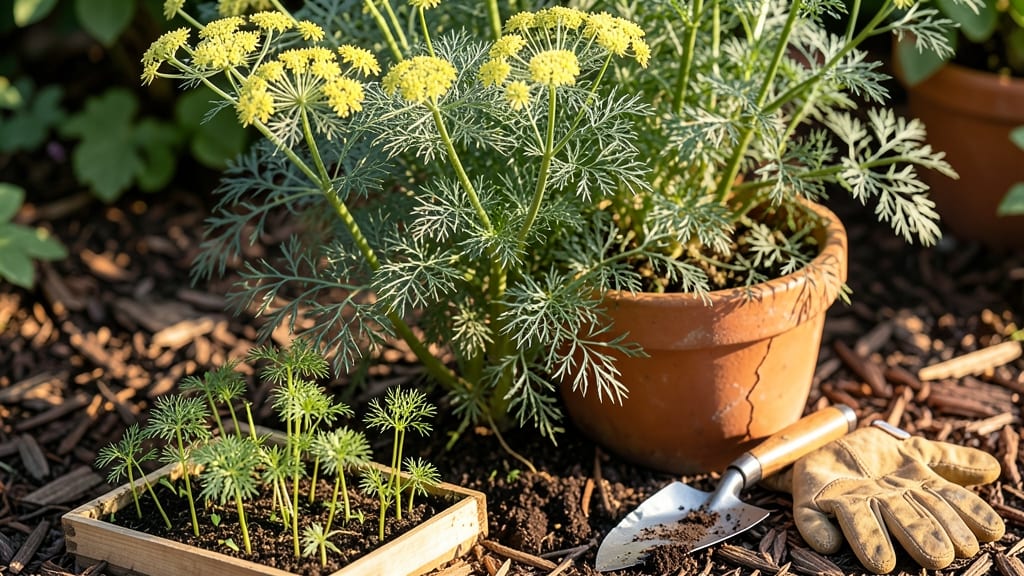
Planting dill at the wrong time in Zone 9 can turn your fresh herb dreams into bitter disappointment—so timing is everything for that perfect 🌿 harvest.
Unlike cooler climates, Zone 9’s mild winters and scorching summers mean you’ve got a narrow window to get it right, whether you’re growing it for salads, pickles, or pollinators.
Most gardeners in Phoenix or Southern California deserts swear by late winter to early spring plantings, but there’s a trick to extending your harvest: fall sowings work too if you act before the rare frost sneaks in.
The key is understanding how your microclimate plays into it—high desert areas like Tucson might need a slightly earlier start than coastal spots in San Diego.
Here’s what I’ve learned after testing dill in Zone 9b for years: the sweet spot is February to March, when soil temps hit that perfect 60-70°F range.
But don’t stop there—I’ll show you how to stretch your harvest through summer without the leaves turning tough or bitter, plus the spacing secrets that keep your plants thriving even when the heat ramps up.
Ready to grow dill that’s always fresh and flavorful? Let’s break down the exact planting schedule, soil prep, and companion plants that’ll make your herb garden the envy of the neighborhood—no guesswork required.
Best planting times for dill in Zone 9: fall vs spring strategies
Dill grows best in Zone 9’s mild winters and hot summers, but timing is everything to avoid bitter flavors or poor germination. Unlike cooler zones, you can plant dill in both fall and spring—just avoid peak summer heat.
The key is soil temperatures between 60-75°F for ideal sprouting and growth.
In Zone 9a (e.g., Phoenix, Tucson), your last frost is rare, but January 15 is your unofficial "safe" date for spring planting. For Zone 9b (coastal areas like San Diego), you can start as early as late December since nights stay warmer.
Fall planting works too—sow late summer to early September for a harvest before winter rains arrive.
For succession planting, I recommend sowing new seeds every 2-3 weeks from February through April. This ensures a steady supply of fresh dill leaves before the summer heat forces the plant to bolt (flower prematurely).
In my Zone 9b garden, I’ve found that Bouquet dill handles heat slightly better than Mammoth dill, making it my go-to variety for late spring plantings.
If you’re in a high-desert microclimate (like Yuma, AZ), wait until March 1 for spring planting—the cooler nights help prevent early bolting. Coastal gardeners in Zone 9a can push it to February 15 since ocean breezes moderate temperatures.
Always check your local frost-free date (even Zone 9 gets rare cold snaps!).
Dill is an annual herb in Zone 9, meaning it completes its life cycle in one year. However, if you let it go to seed, it may self-seed for next year’s garden.
To encourage this, leave some plants unharvested until they flower and produce seeds. The seeds are great for wildlife attraction and next year’s crop!
One common mistake I see is planting dill in peak summer (June-August). The intense heat causes the plant to bolt immediately, producing bitter leaves and flowers instead of tender foliage.
Instead, focus on fall or early spring plantings for the best flavor. If you must grow dill in summer, use 50% shade cloth and daily watering to keep it happy.
For container gardening in Zone 9, choose compact varieties like Fernleaf dill and plant in 5-gallon pots with well-draining soil. Containers warm up faster, so start them 2 weeks earlier than in-ground plantings. Just remember to water containers daily during summer months to prevent drying out.
Finally, pair your dill with companion plants like cucumber, lettuce, or tomatoes to improve growth and deter pests. Avoid planting near carrots or onions, as they can stunt dill’s growth. With the right timing and care, you’ll enjoy fresh dill leaves all year in your Zone 9 garden!
Best planting times for dill in Zone 9: fall vs spring strategies
Zone 9’s mild winters and intense summers create a unique challenge for growing dill—timing your plantings right means the difference between tender, flavorful leaves and bitter, bolted stalks. The ideal window for spring plantings is February to March, when soil temperatures hover between 60-70°F.
This gives your dill a head start before summer’s heat peaks, ensuring you can harvest fresh leaves by early summer.
But don’t overlook fall plantings—they’re your secret weapon for extending harvests. In Zone 9, you can sow dill as late as September to early October, giving it time to germinate and grow before cooler temperatures slow its progress.
Just avoid planting after mid-October, as the rare frost (possible in high deserts) can damage young seedlings.
🌱 Zone 9 Dill Planting Comparison
| Season | Best Months | Soil Temp | Harvest Window | Microclimate Tip |
|---|---|---|---|---|
| Spring | February-March | 60-70°F | March-June | High desert areas: start in late January |
| Fall | September-October | 70-75°F | October-November | Coastal areas: extend to November |
| Succession | Every 2-3 weeks | 60-70°F | Continuous harvests | Use shade cloth for summer sowings |
For gardeners in Zone 9a (cooler microclimates like higher elevations), you can push spring plantings back to March to avoid early heat stress. Meanwhile, those in Zone 9b (hotter areas like Phoenix) should start seeds indoors in January for a jump on the season.
Pro tip: Use a seedling heat mat to speed up germination in cooler microclimates.
Succession planting is your best friend in Zone 9—sow new seeds every 2-3 weeks from February through May to ensure a steady supply of fresh dill. This works especially well in container gardens, where you can rotate pots to maximize space.
Just remember: dill bolts quickly in heat, so always harvest leaves before flowers appear to keep the flavor sweet.
One mistake I see often is planting dill too late in summer (June-August). The intense heat causes the plant to bolt prematurely, turning leaves bitter and woody.
Instead, focus on fall plantings or use shade cloth (30-50%) to protect summer seedlings. This simple trick can extend your harvest by 4-6 weeks into autumn.
Finally, pair your dill with companion plants like cucumbers or lettuce to improve flavor and deter pests. The key is balancing sun exposure—dill needs full sun, but its companions may prefer partial shade. Mulch with straw to retain moisture and keep roots cool during peak summer heat.