
Plants
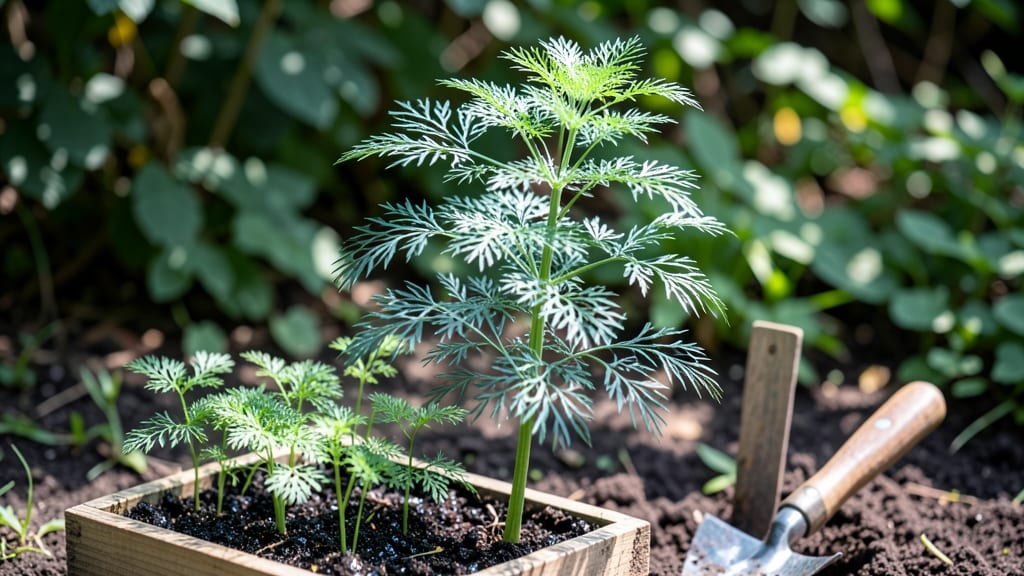
Planting dill in Oregon’s 7b-9a zones at the wrong time can turn your herb garden into a flop—especially when late frosts or early heat throw off your schedule. The key isn’t just picking a month; it’s reading your microclimate like a pro to avoid bolting or stunted growth.
In Oregon, dill thrives when soil warms to 50°F+, which typically happens by mid-April in most areas, but coastal zones like 7b need to wait until May.
That’s why gardeners here swear by two planting windows: early spring (March-April) for a summer harvest and late summer (August-September) for fall flavors.
Whether you’re direct-sowing seeds or transplanting young plants, timing matters—especially since dill grows fast (ready in 45-60 days) but hates soggy soil. I’ll show you how to sync your planting with Oregon’s frost dates, soil temps, and even companion plants to maximize your harvest.
Skip the guesswork: Learn the exact frost-free deadlines for your zone, plus pro tips to stretch dill’s growing season—because in Oregon, a well-timed plant means the difference between a handful of leaves and a bumper crop of 🌿.
Oregon’s USDA zones and ideal dill planting windows
Oregon’s diverse climate—from the cool coastal regions to warmer inland valleys—creates distinct planting windows for dill. Understanding your USDA zone (7b, 8a, 8b, or 9a) helps you align planting with Oregon’s 165-day frost-free growing season.
Dill thrives in 60-90 days to harvest, so timing is critical to avoid bolting or frost damage.
In Zone 7b (eastern Oregon), aim for March 15–April 15 for spring planting, while Zone 9a (Willamette Valley) can start as early as February 15. Late summer plantings (August–September) work in all zones but require succession planting to extend harvests into fall.
Dill’s 50°F soil temperature requirement means waiting for last frost (typically April 15 in most regions) before direct sowing. Coastal areas may need row covers to protect young seedlings from chilly nights.
Here’s how Oregon’s zones break down for dill planting:
| USDA Zone | Last Frost Date | Ideal Planting Window | Harvest Window |
|---|---|---|---|
| 7b (Eastern OR) | April 15–May 1 | March 15–April 15 | June–July |
| 8a (Central OR) | April 1–April 15 | March 1–April 15 | May–July |
| 8b (Western OR) | March 15–April 1 | February 15–March 30 | April–June |
| 9a (Willamette Valley) | February 15–March 1 | January 15–February 28 | March–May |
🌱 Note: Late summer plantings (August–September) work in all zones but require 60+ days to mature before first frost.
For coastal Oregon, where fog delays warming, start seeds indoors 4–6 weeks before last frost. Inland areas can direct-sow 2–3 weeks earlier due to faster soil warming. Always test soil temperature—dill won’t germinate below 50°F.
Pro tip: Use ‘Bouquet’ dill, a cold-tolerant variety, for earlier plantings. It handles light frosts better than standard types, giving you a head start in Zone 7b–8a.
Succession planting every 2–3 weeks ensures a continuous harvest. For example, in Zone 8b, plant on March 1, March 15, and April 1 to stretch your harvest from May through July.
Bolting (premature flowering) is a risk in Oregon’s heat spikes (common in July–August). To prevent this, choose shade-tolerant varieties like ‘Fernleaf’ and mulch heavily to keep roots cool.
Always monitor local microclimates—valleys warm faster than hillsides. Use a soil thermometer to confirm readiness before planting.
How to extend dill’s growing season in Oregon’s cool climate
Oregon’s cool, unpredictable climate can challenge dill growers, but with the right strategies, you can extend harvests well beyond the typical spring window. Since dill thrives in warm soil (50°F+), many gardeners miss the boat by planting too early.
The key? Start indoors or use season-extending tools to maximize your growing season.
For early spring harvests, begin sowing dill seeds indoors 4-6 weeks before your last frost date (typically mid-April in most of Oregon). Use grow lights or a sunny windowsill to ensure strong seedlings. Once soil temperatures reach 50°F consistently, transplant outdoors—usually by late April or early May.
Late-summer plantings are another game-changer for Oregon gardeners. Dill grows quickly—45-60 days to harvest—and can handle cooler fall temperatures better than many herbs. Aim to sow seeds 8-10 weeks before your first frost (mid-October), giving them time to mature before winter sets in. This often means late August or early September plantings.
- 🌡️ Use row covers to protect seedlings from late frosts (extend harvest by 2-3 weeks).
- 🌱 Choose cold-hardy varieties like ‘Bouquet’ or ‘Fernleaf’—they tolerate cooler soil better than standard types.
- ☀️ Maximize sunlight with reflective mulch or south-facing containers to compensate for Oregon’s overcast days.
If you’re container gardening, opt for black pots—they absorb heat and warm up soil faster than traditional containers. Place them in sunniest spots and use heat-retaining mulch like straw to keep roots cozy. For ground plantings, amend soil with compost to improve drainage and warmth retention.
Don’t forget succession planting! Sow new seeds every 2-3 weeks from spring through early summer to ensure a continuous harvest. This is especially useful in Oregon, where unpredictable weather can delay or stunt growth.
Even a 10-day gap in planting can mean the difference between a bountiful harvest and a bare patch.
Finally, harvest strategically to encourage regrowth. Pinch back flowering stems to delay bolting and keep leaves lush. If you’re growing dill for seeds, allow a few stems to flower but harvest leaves from other stems to prolong the harvest window.
With these tricks, you’ll enjoy fresh dill for months—not just a single summer flush.
🌿