
Plants
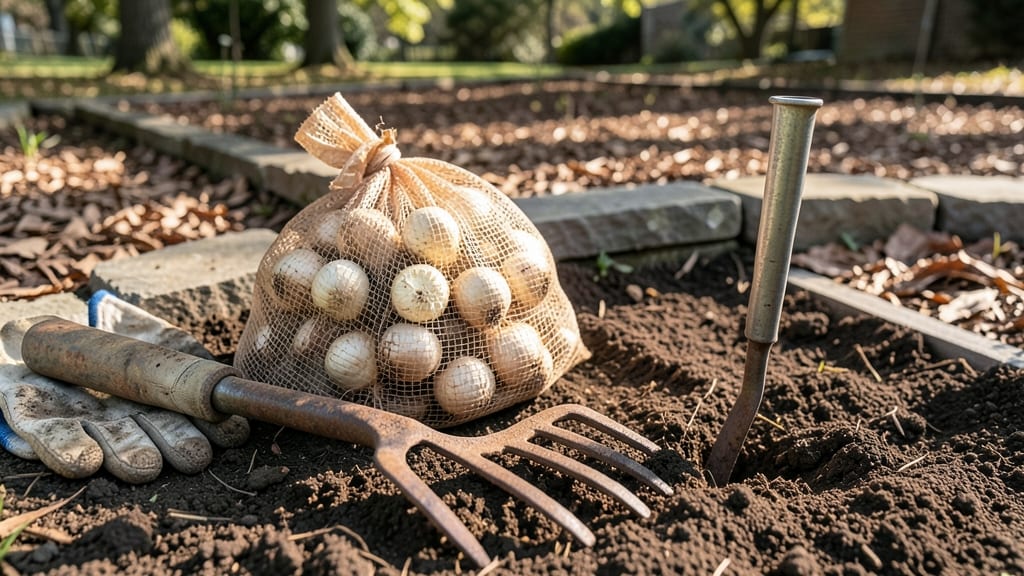
Planting daffodils in Virginia at the wrong time can mean the difference between a garden bursting with 🌼 come spring and bulbs that never make it past winter.
The key is timing—fall is your window, but getting it just right ensures those bulbs survive the cold and thrive when the weather warms.
Virginia’s 7a-8a zones give gardeners a narrow but critical window between October and November to plant. Too early, and the soil stays too warm, encouraging rot; too late, and the ground freezes before bulbs establish roots.
I’ve learned the hard way that rushing or waiting too long can leave your daffodils struggling—or worse, dead before they bloom.
What makes this timing even trickier is Virginia’s unpredictable weather. One year, the first frost hits by mid-November; the next, it lingers into December.
The goal is to plant 4-6 weeks before the ground freezes, giving those bulbs enough time to root deeply while still benefiting from cooler fall temperatures.
Don’t worry—this isn’t about guessing. I’ll break down exactly how to read your soil, adjust for your specific Virginia region, and even protect your bulbs from late frosts or hungry deer.
By the end, you’ll know exactly when to dig, how deep to plant, and what to do if Mother Nature throws you a curveball.
Best fall planting windows for Virginia daffodils by region
Virginia’s diverse USDA hardiness zones 5a-7b create unique planting windows for daffodils. In northern Virginia (zones 5a-6a), like Roanoke or the Blue Ridge Mountains, aim for mid-October to early November.
The first hard frost typically hits around November 15, so plant bulbs 4-6 weeks before to give roots time to establish.
For central Virginia (zones 6b-7a), including Richmond or Charlottesville, the ideal window stretches from late September to mid-November.
Soil temperatures here drop slower, allowing a slightly later start. Southern Virginia (zone 7b), like Norfolk or Virginia Beach, can plant until early December—just ensure the ground isn’t frozen.
Pro tip: Use a soil thermometer to confirm temperatures are between 40-50°F. If soil is too warm (60°F+), bulbs may sprout too early and get frost damage. If too cold (32°F), roots won’t establish properly.
| Region | USDA Zone | Best Planting Window | First Frost Date | Soil Temp Goal |
|---|---|---|---|---|
| Northern VA | 5a-6a | Mid-October to early November | November 15 | 40-50°F |
| Central VA | 6b-7a | Late September to mid-November | November 1-15 | 40-50°F |
| Southern VA | 7b | Late September to early December | November 20-December 1 | 40-50°F |
🌼 Plant bulbs 4-6 weeks before first frost for best results
Missed the fall window? Early spring planting (February) is a backup, but blooms may arrive 2-3 weeks later than fall-planted bulbs. Spring-planted daffodils also need consistent moisture to prevent bulb desiccation.
Local nurseries like McCormick’s Nursery (Richmond) or Fleming’s Nursery (Roanoke) often stock daffodil bulbs in September-October. Call ahead to confirm availability—popular varieties like ‘Ice Follies’ or ‘Tête-à-Tête’ sell out fast!
For container gardening, plant daffodils in October-November regardless of zone. Containers freeze faster, so use insulated pots and add 3 inches of mulch on top. Place containers near south-facing walls for extra winter protection.
Remember: Deer-resistant varieties like ‘Felix’ or ‘Gladiator’ are worth the extra cost if deer are a problem in your area. Plant these 1-2 weeks earlier than other daffodils—they establish roots faster.
After planting, mark your daffodil beds with flags or garden twine. This prevents accidental digging in spring when bulbs are vulnerable. Never fertilize after planting—wait until next fall for a light feeding.
Virginia’s unpredictable weather means flexibility is key. If unseasonably warm fall weather arrives, delay planting until mid-November to avoid early sprouting. Use a thermometer to guide your decisions—consistently cold nights (below 50°F) signal it’s time to plant.
Signs your Virginia soil is ready for daffodil bulbs (and when to wait)
Knowing when your Virginia soil is primed for daffodil bulbs isn’t just about checking a calendar—it’s about reading your garden’s signals. The perfect window arrives when soil temperatures dip to 40-50°F at a depth of 6 inches, signaling bulbs can root without rotting.
But how do you know? Look for these key cues to avoid planting too soon or too late.
First, watch for fallen leaves—a sure sign fall is advancing. When most trees in your area have shed their foliage, it’s often time to plant. This usually aligns with mid-October to early November in Virginia’s 7a-8a zones, but cooler years may shift this timeline earlier.
I’ve found that waiting until at least 3-4 weeks after your first frost date (not before) gives bulbs the best chance to establish roots.
Next, test your soil’s moisture. Stick a finger 6 inches deep—if the soil feels damp but not soggy, it’s ready. Overly wet soil in early fall can suffocate bulbs, while dry soil in late fall means they won’t root deeply enough.
Aim for soil that’s moist but well-draining, like a wrung-out sponge. If your garden holds water, amend it with compost or sand before planting.
🌱 Pro Tip: Use a soil thermometer ($10 at garden centers) to double-check. Plant when temps consistently stay below 60°F during the day. In Virginia’s higher elevations (e.g., Shenandoah Valley), this can happen by late September, while coastal areas (e.g., Norfolk) may wait until early November.
⚠️ Warning: Don’t Plant When...
- Soil temps exceed 60°F—bulbs rot before rooting.
- Ground is frozen or icy—bulbs can’t penetrate hard soil.
- Leaves are still green—early frosts may kill tender foliage.
- Rain is forecasted for 48+ hours—waterlogged soil drowns bulbs.
Wait for clear, cool days with dry soil to minimize risks.
If your soil feels too warm or dry in October, don’t rush—wait a week or two. I once planted daffodils in early October in Richmond, only for them to rot over winter.
The lesson? Patience pays off. Conversely, if November arrives and the ground hasn’t frozen, you’ve still got time—just work quickly to avoid late-season planting stress.
For sandy soils (common in coastal Virginia), plant earlier (late September)—they warm up faster. For clay-heavy soils (like in the Piedmont), wait until mid-November to avoid compaction. Amend clay with organic matter to improve drainage, and sandy soils benefit from a thin layer of compost to retain moisture.
🌿 Final Check: Before digging, rake back a small patch of soil. If earthworms are active and the ground crumbles easily, it’s plant-ready. If it’s hard and cracked, hold off until after a good rain. Trust your soil—it knows best.