
Plants
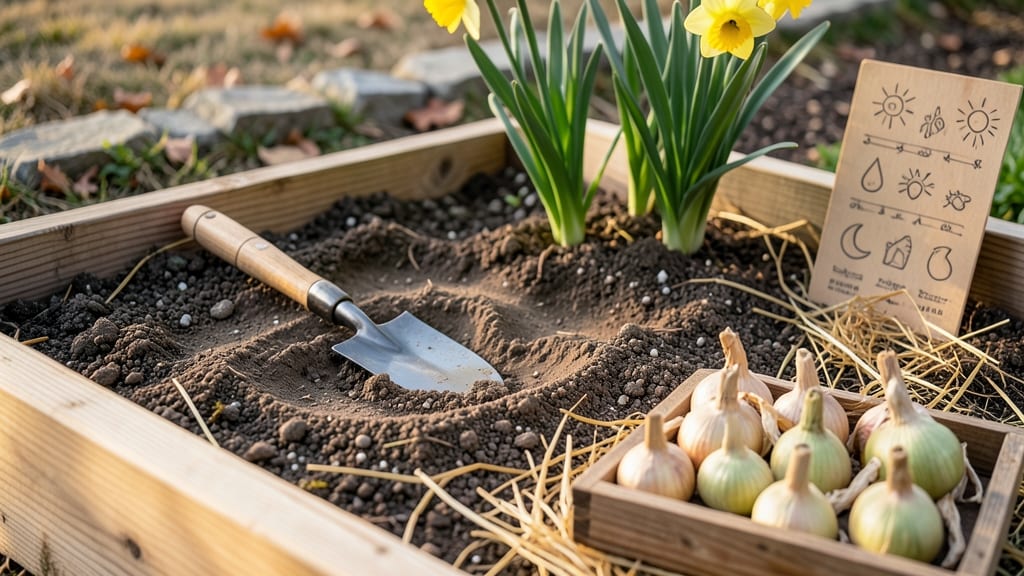
Planting daffodils in Colorado isn't just about dropping bulbs in the ground—it's about timing them perfectly to beat the frost. The 6-week window between September and November is your golden opportunity to give those 🌼 bulbs time to root before winter sets in.
If you plant too early, your daffodils might rot in soggy soil; too late, and they won't establish strong roots before the ground freezes. Colorado's USDA zones 5-7 add another layer—Front Range gardeners have slightly different deadlines than those on the Western Slope.
I'll show you exactly when to plant based on your elevation, how to check soil readiness, and why soil temperature matters more than you think. Skip the guesswork and get those vibrant blooms ready for next spring.
Whether you're a first-time gardener or a seasoned Colorado grower, these tips will help you avoid common mistakes and maximize your daffodil success.
Best fall planting timeline for Colorado daffodils by region
Colorado’s diverse elevations create microclimates that shift your daffodil planting window by weeks. In USDA zones 5-7, aim to plant bulbs 6-8 weeks before the first hard frost—typically September through November. But high-altitude areas (8,000+ ft) freeze earlier, so adjust your schedule accordingly.
Front Range cities like Denver and Boulder (zone 5-6) usually have first frosts in mid-October, giving you a September 15–October 15 window. Meanwhile, Western Slope areas (zone 6-7) can plant until late October or early November due to later frosts.
For mountain regions above 8,000 ft, plant 4-6 weeks earlier—by mid-September—to avoid early freezes. Check your local Almanac frost dates or ask at Colorado garden centers for precise timing.
Soil temperature is your best guide: Daffodils thrive when soil is below 60°F but above freezing. Use a soil thermometer to confirm—planting too early in warm soil can cause rot before roots establish.
| Region | USDA Zone | First Frost Date | Ideal Planting Window | Soil Temp Threshold |
|---|---|---|---|---|
| Front Range (Denver, Boulder) | 5-6 | Mid-October | September 15–October 15 | 50–60°F |
| Western Slope (Grand Junction, Colorado Springs) | 6-7 | Late October–Early November | October 1–November 1 | 55–60°F |
| High Altitude (8,000+ ft) | 4-5 | Early October | Mid-September–October 1 | 45–55°F |
If you miss the fall window, December planting is risky but possible in warmer microclimates (zone 7). Use mulch (4–6 inches) to insulate bulbs and plant shallower (4–6 inches deep) to reduce frost exposure.
For container gardening in urban Colorado, plant bulbs in well-draining pots by late September. Move containers to a garage or sheltered spot if nighttime temps drop below 32°F before roots establish.
Pro tip: Stagger your planting in 3-week intervals to extend your spring bloom time. Early varieties (like 'Tête-à-Tête') planted in September will bloom first, followed by standard varieties planted in October.
Always plant bulbs pointy-end up and 3x deeper than their height (typically 6–8 inches deep). This protects them from Colorado’s freeze-thaw cycles and voles, which love tender new roots.
After planting, water deeply once to settle soil, then mulch with straw or leaves to retain moisture and insulate roots. Check moisture levels monthly—daffodils need consistent dampness but hate soggy soil.
Signs your Colorado soil is ready for daffodil bulbs (and when to delay)
Before you dig in, check your soil temperature—it’s the #1 factor for daffodil success in Colorado. Bulbs need soil between 50°F and 60°F to root properly. Use a soil thermometer (just $10 at garden centers) to test 4-6 inches deep.
If your soil is still above 60°F in late September, wait 1-2 weeks. Warm soil can cause bulbs to rot before they establish roots. I’ve seen many gardeners rush planting in August only to lose their entire batch to fungal issues.
Next, test for moisture and drainage. Colorado’s clay-heavy soils often hold too much water after summer storms. Dig a 6-inch hole, fill it with water, and time how long it drains—ideal is 2-4 hours. If it pools for days, amend with compost or perlite.
⚠️ Warning: Common Colorado Mistakes
- Planting too early (before soil cools below 60°F) → Rot risk from soggy soil
- Planting too late (after first frost warnings) → Weak roots before winter
- Ignoring clay soil → Waterlogged bulbs in spring
Pro Tip: Mix sand or compost into heavy clay to improve drainage before planting.
For high-altitude areas (8,000+ ft), aim for late September planting—cooler temps mean bulbs root faster. In Denver’s USDA Zone 5b, I plant by mid-October to avoid early freezes. Use mulch (2-3 inches) after planting to insulate bulbs.
Finally, watch for squirrels and voles—they love fresh daffodil bulbs! If you see fresh dig marks, consider chicken wire cages or plant bulbs deeper (8-10 inches) in high-risk areas.
When in doubt, plant 3-4 weeks before your average first frost date. Colorado’s Almanac frost calculator is your best friend—just plug in your ZIP code for exact timing.