
Plants
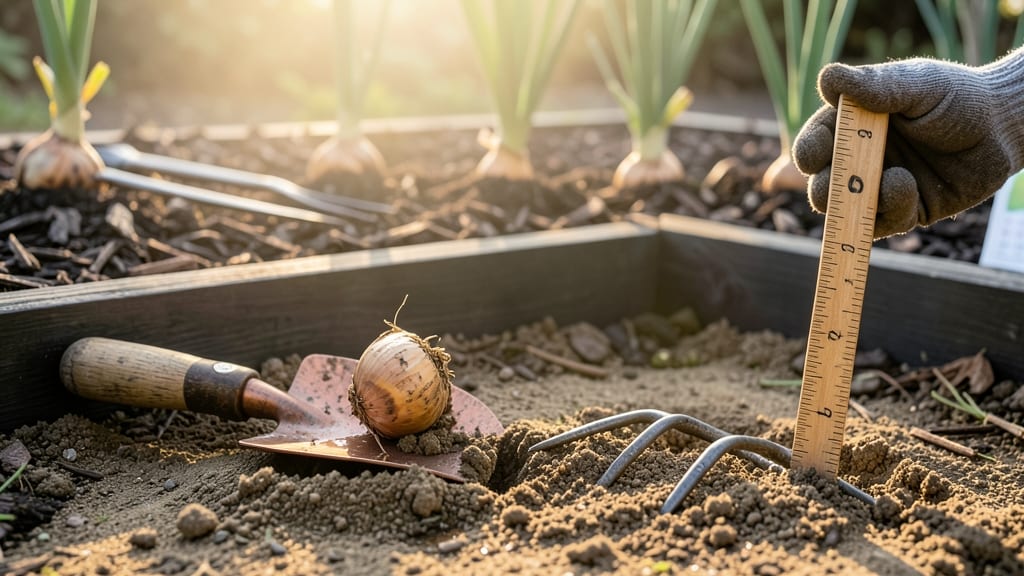
Planting daffodil bulbs in Georgia at the wrong time can mean the difference between a stunning spring display and a total flop. The key isn't just picking October or November—it's understanding when your soil reaches that sweet spot of 50-60°F, which triggers fast root growth before winter sets in.
I've seen too many gardeners rush planting because they think "fall" is a one-size-fits-all answer. But Georgia's microclimates—from the mountains to the coast—create huge variations in frost dates and soil warming.
In Zone 7b-8a, timing your daffodils 🌼 just right means they'll establish strong roots before the ground freezes, setting you up for vibrant blooms next spring.
What makes this even trickier? Georgia's unpredictable weather can throw off even the most experienced gardeners. Too early, and your bulbs might rot in damp soil; too late, and they won't have time to settle in before winter.
I'll show you exactly how to read your soil's temperature cues and adjust for your specific corner of the state—whether you're in the Piedmont or near the coast.
Once you master this timing, you'll discover how fast daffodils can become the showstoppers of your garden. Let's dive into the exact steps to get your bulbs planted at the perfect moment for maximum success—and minimal frustration.
Georgia’s ideal daffodil planting window based on soil temperature
Timing your daffodil bulb planting in Georgia isn’t just about the calendar—it’s about soil temperature. Bulbs need 4-6 weeks to establish roots before winter, so aim for October through November when soil temps drop to 50-60°F.
This window ensures strong root growth before Georgia’s first hard frost (typically mid-November).
In North Georgia (USDA Zone 7b), cooler microclimates mean you’ll plant slightly earlier—late September to early October. Meanwhile, South Georgia (Zone 8a) gardeners can wait until mid-October to November. A soil thermometer is your best tool to confirm readiness.
Why soil temperature matters: Daffodils rot if planted in warm soil (>60°F) because they need cool conditions to form roots. Conversely, planting too late risks shallow roots before frost, leading to weak blooms next spring. Georgia’s humid climate adds urgency—bulbs can suffocate in soggy soil.
Here’s how Georgia’s microclimates affect timing:
| Region | USDA Zone | Ideal Planting Month | Soil Temp Trigger | Key Consideration |
|---|---|---|---|---|
| North Georgia (Mountains) | 7b | Late September–Early October | 50–55°F | Cooler nights; frost arrives earlier |
| Central Georgia | 7b–8a | October | 55–60°F | Moderate humidity; watch for wet spells |
| South Georgia (Coastal) | 8a | Mid-October–November | 60°F (max) | Warmer soils; extend window to late fall |
Use this 4-week rule: Plant bulbs when your local forecast predicts 4–6 weeks until the first hard frost. For example, if frost hits November 15, aim to plant by October 1.
Georgia’s variable weather means checking a frost date map (like the National Weather Service) is wise.
Pro tip: Mountain regions (e.g., Blue Ridge) often see frost by October 31, while coastal areas (e.g., Savannah) may wait until December 1. Adjust by 1–2 weeks based on elevation. For instance, Atlanta’s Zone 7b typically plants in late October.
If you miss the window, don’t panic! December planting is still possible in South Georgia, but bulbs may need extra mulch (3–4 inches) to insulate roots. In North Georgia, hold off until next fall—bulbs won’t survive Georgia’s freezing winters if planted late.
For container gardening in Georgia, timing shifts slightly. Pots warm up faster, so plant 2 weeks earlier (early October) and use black plastic pots to absorb heat. Monitor soil temps closely—containers can overheat in Georgia’s fall sun.
Remember: Daffodils thrive when planted in cool, moist soil. Georgia’s fall rains help, but if your soil stays dry, water deeply after planting to encourage root growth. Aim for 1 inch of water per week until the ground freezes.
How to prepare Georgia soil for daffodil bulbs before planting
Preparing your Georgia soil before planting daffodil bulbs 🌼 is the secret to strong root growth and vibrant spring blooms. Start by testing your soil's pH level—daffodils thrive in 6.0-7.0 range.
If your soil is too acidic, add lime; if it's alkaline, mix in sulfur or peat moss. My soil in Zone 7b often tests slightly acidic, so I always add a handful of garden lime per planting hole.
Next, focus on drainage. Georgia's heavy clay soils can suffocate bulbs, so amend with compost or sand to improve aeration. I mix in 3 inches of compost into the top 6 inches of soil—this gives bulbs the organic matter they need while preventing waterlogging.
For container planting, use a well-draining potting mix with perlite or vermiculite.
Don't overlook mulching—this protects bulbs from Georgia's freezing temperatures and keeps soil moisture consistent. Apply 2-3 inches of mulch (straw or shredded leaves work best) after planting. Just be sure to pull it back slightly in early spring to prevent rot as temperatures rise.
Here’s a quick visual guide to soil prep steps tailored for Georgia gardeners:
Soil Prep Checklist for Daffodils in Georgia
- 🔍 Test soil pH (aim for 6.0-7.0)
- 🌱 Amend with compost (3 inches into top 6 inches)
- 💧 Improve drainage (add sand if clay-heavy)
- ❄️ Mulch with straw (2-3 inches post-planting)
- ☀️ Choose sunny spots (6+ hours of sunlight)
One common mistake I see is skipping the soil test—Georgia’s varied regions mean what works in Athens (Zone 8a) might fail in Dahlonega (Zone 7a).
Always test your soil before amending. For extra insurance, I add a bulb fertilizer (like 5-10-10) at planting time to give roots an immediate nutrient boost.
Finally, plant bulbs in well-drained beds or raised beds if your yard has heavy clay. I’ve had the best success with raised beds in coastal Georgia, where humidity can lead to bulb rot. Just remember: deeper isn’t better—plant bulbs at 6-8 inches deep for optimal growth.
With these steps, your daffodils will establish roots quickly, even in Georgia’s unpredictable fall weather. Next, we’ll cover the most common planting mistakes to avoid—so you can enjoy blooms that’ll make your neighbors jealous! 🌼