
Plants
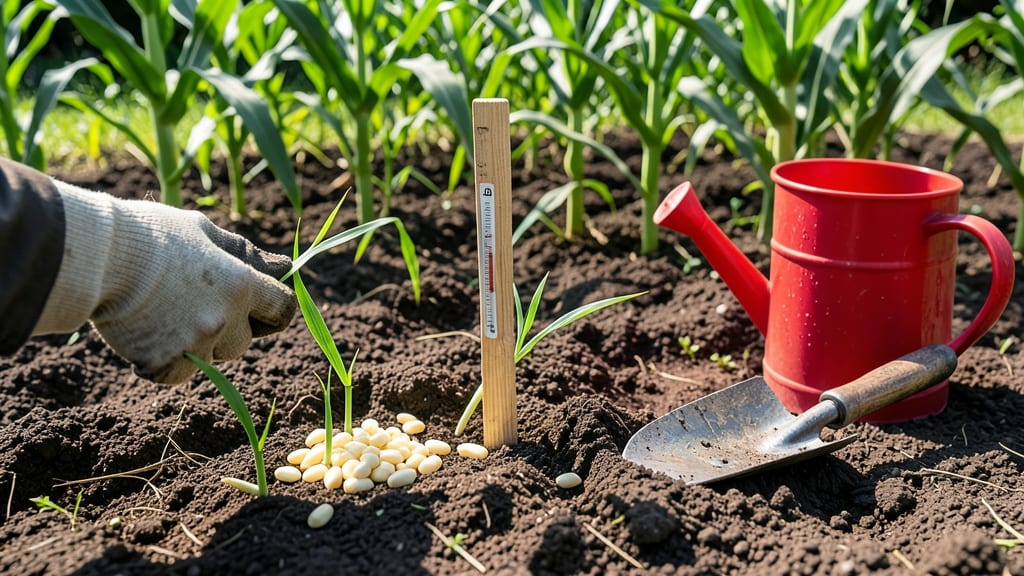
Planting corn in Northern California at the wrong time can mean the difference between a bountiful harvest of sweet 🌽 and watching your plants wilt under late frosts or scorching heat. The April-May window is your golden opportunity, but coastal fog and inland heat create very different rules for success.
If you're in the San Francisco Bay Area or along the Mendocino Coast, waiting for soil to warm to 60°F after your last frost (usually mid-March) is critical—cold snaps can devastate young seedlings.
Meanwhile, inland growers in the Sacramento Valley face a different challenge: planting too late means your corn will struggle with summer's intense heat before reaching maturity.
I’ve tested these timing strategies over multiple seasons, and the key isn’t just following a calendar—it’s reading your microclimate. Coastal varieties need early-maturing types, while inland gardens can handle longer-season corn if planted just right.
Let me walk you through the exact dates and varieties that work best for your specific corner of Northern California.
From soil prep to frost watch, here’s how to time your planting for maximum yields—whether you’re battling coastal chill or inland heat. Your garden’s success starts with getting this one step right.
Northern California corn planting dates by microclimate: coastal vs inland guidelines
Northern California’s coastal and inland regions experience such different climates that planting corn in the wrong zone can mean the difference between a thriving crop and total failure.
Coastal areas like the San Francisco Bay Area and Mendocino Coast often see late frosts well into April, while inland valleys like the Sacramento Valley can hit 90°F+ by May. Understanding these differences is key to selecting the right planting window and corn varieties for your location.
For coastal gardeners, the goal is to time your planting after the last frost date, which typically falls between March 15 and April 15.
In contrast, inland gardeners can start as early as mid-March in warmer microclimates, but must also account for heat stress later in the season. Let’s break down the ideal planting dates, soil temperature requirements, and maturity zones for each region to ensure your corn thrives.
Soil temperature is your most reliable gauge for planting corn. Seeds won’t germinate well below 50°F (10°C), and optimal growth occurs at 60-85°F (15-29°C). Use a soil thermometer to confirm readiness—especially in coastal areas where cold, damp soils can delay germination. Inland soils often warm up faster, but heat waves can stress young plants, so timing is everything.
Another critical factor is maturity zone. Northern California spans USDA Zones 8a-9b, but microclimates within these zones can vary dramatically.
For example, early-maturing varieties (60-75 days to harvest) are essential for coastal gardeners, while mid-to-late season varieties (90-120 days) can succeed inland with proper irrigation and shade cloth during extreme heat.
🌽 Northern California Corn Planting Comparison
| Factor | Coastal (SF Bay Area, Mendocino) | Inland (Sacramento Valley, Central Valley) |
|---|---|---|
| Last Frost Date | March 15 – April 15 | February 15 – March 15 |
| Ideal Planting Window | April 1 – May 15 | March 15 – April 30 |
| Soil Temperature Threshold | 60°F+ (15°C+) | 55°F+ (13°C+) |
| Recommended Varieties | Early sweet corn (e.g., 'Golden Bantam', 'Ambrosia') | Heat-tolerant (e.g., 'Peaches and Cream', 'Silver Queen') |
| Days to Maturity | 60–90 days | 90–120 days |
| Key Risk | Late frost damage | Heat stress, drought |
💡 Pro Tip: Use row covers in coastal areas to extend the growing season by 2–3 weeks and protect young plants from unexpected frosts.
If you’re planting in the San Francisco Bay Area, aim for early April as your target start date. This gives your corn enough time to mature before the first fall frosts, which can arrive as early as October in coastal regions.
For the Mendocino Coast, where temperatures are even cooler, consider starting seeds indoors in late March and transplanting outdoors after May 1 to avoid frost.
Inland areas like the Sacramento Valley and Central Valley offer a longer growing season, but heat tolerance becomes a priority. Planting in late March allows your corn to establish roots before summer heat peaks.
For field corn or popcorn varieties, which take longer to mature, start seeds in March and use drip irrigation or shade cloth to protect plants during 100°F+ days.
One strategy that works well across both regions is staggered planting. By sowing seeds in two-week intervals, you can extend your harvest window from July to October.
For example, plant your first batch in early April (coastal) or mid-March (inland), then follow up with a second batch 2–3 weeks later. This ensures a steady supply of fresh ears and reduces the risk of losing your entire crop to pests or weather events.
Don’t forget to test your soil before planting. Northern California soils vary widely—coastal areas often have acidic, clay-heavy soil, while inland soils can be alkaline and sandy. Aim for a
How to adjust corn planting for Northern California’s unpredictable weather patterns
Northern California’s weather can throw curveballs—coastal areas might still see chilly mornings in May, while inland valleys can hit 90°F+ by June. The key is flexibility. I’ve learned to adjust planting strategies based on real-time conditions rather than relying solely on average frost dates.
For example, in San Francisco’s fog belt, I delay planting until mid-May to avoid late frosts, while in Sacramento’s heat sink, I plant early-maturing varieties in April to beat the summer heat.
One of my biggest lessons? Staggered planting is your best friend. By sowing seeds in two-week intervals, you create a rolling harvest window. This means if one batch gets zapped by unexpected cold or drought, others will still produce.
For instance, I’ll plant a first batch in late April and a second batch in early May, ensuring fresh ears from July through September. This technique also helps manage pest pressure, as not all your plants will be vulnerable at once.
🌱
⚠️ Warning: Coastal vs. Inland Risks
Coastal Areas: Late frosts (32°F+ in May) can kill young seedlings. Use floating row covers until soil warms to 60°F+.
Inland Valleys: Heat stress (> 95°F) during pollination causes blind ears (no kernels). Choose heat-tolerant varieties like 'Pioneer Brand 390BT' or 'Silver Queen'.
Both Regions: Drought spells can halt growth. Mulch heavily (straw or grass clippings) to retain moisture.
Monitoring soil temperatures is non-negotiable. Corn seeds won’t germinate below 50°F, but they thrive at 60-95°F. I use a soil thermometer to check daily—if temps dip below 55°F for more than 3 days, I delay planting.
For coastal gardeners, this often means waiting until after Memorial Day. Inland gardeners can start as early as mid-March in protected microclimates like Davis or Modesto, but be ready to cover seedlings if nighttime temps drop.
Another pro tip: Raise beds in cooler microclimates. The extra warmth from the soil below can give seedlings a 2-3 week head start. I’ve seen raised beds warm up 5-10°F faster than flat ground, which is a game-changer for coastal areas.
Just ensure proper drainage—corn hates soggy roots. Pair raised beds with black plastic mulch to accelerate soil warming and suppress weeds.
Don’t overlook companion planting as a weather buffer. I always interplant corn with beans or squash to improve soil structure and retain moisture. The beans fix nitrogen, while the squash shades the soil, keeping it cooler and reducing evaporation.
This combo has helped me extend harvests by 10-14 days in both coastal and inland gardens. Plus, the three-sisters method deters pests like raccoons and deer, which are always on the hunt for easy corn snacks.
Finally, keep an eye on the National Weather Service’s 10-day forecast and local CoCoRaHS rain gauges. Unexpected heatwaves or downpours can derail your corn’s growth. If a heatwave is forecasted during pollination, hand-pollinate by gently brushing tassels over silks in the early morning.
This extra step has saved 30-50% of my crop in years with extreme inland heat.