
Companion Plants
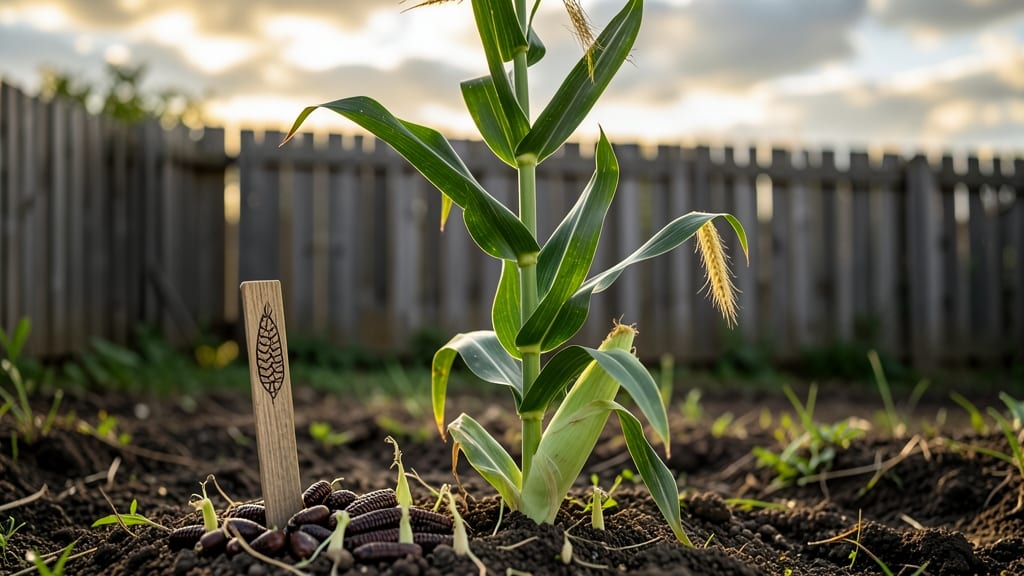
Planting corn in Pennsylvania at the wrong time can turn your 🌽 dreams into a sad, stunted mess—especially when late frosts or slow soil warming throw off your schedule.
The key to a thriving crop lies in understanding your specific heat zone, because what works in Zone 5b might flop in Zone 7a, where warmer springs allow for later starts.
Most gardeners in PA wait until after the last frost (typically mid-April to mid-May), but soil temperature is the real game-changer. Corn needs 60°F soil to germinate, and waiting for that warmth—rather than just calendar dates—can mean the difference between 75-day harvests and 90-day disappointments.
In this guide, I’ll break down the exact planting windows for your region, including how to adjust for unpredictable springs and which varieties handle PA’s short season best. Whether you’re in the cooler mountains or warmer valleys, you’ll leave here with a clear timeline to maximize your yield.
Ready to stop guessing and start planting with confidence? Let’s get your corn off to the right start—because timing isn’t just about when, but how you prepare for it.
Best planting months for corn in PA by hardiness Zone (with exact dates)
Pennsylvania’s climate varies dramatically from the warmer southern regions (USDA Zone 7a) to the cooler northern areas (USDA Zone 5b). This means your corn planting window can shift by 2-3 weeks depending on where you live.
For most of Pennsylvania, the ideal planting window falls between late April and mid-May, but let’s break it down by zone for precision.
In southern Pennsylvania (Zones 6b-7a), where last frost dates average around April 15, you can start planting sweet corn as early as mid-April. However, soil temperatures must reach at least 60°F for seeds to germinate properly.
If you plant too early, cold soil can stunt growth or even kill seedlings.
For central Pennsylvania (Zones 6a-6b), aim for late April to early May. This region experiences more unpredictable spring weather, so waiting until after the last frost (typically May 1) reduces frost damage risk.
If you’re growing field corn or popcorn, which take longer to mature, start on the earlier end of this window.
In northern Pennsylvania (Zones 5b-6a), where last frosts can linger until mid-May, delay planting until early to mid-May. These areas have shorter growing seasons, so choosing early-maturing varieties (like ‘Early Sunglow’) is crucial.
If you plant after June 1, your corn may not reach maturity before the first frost in October.
🌽 Pro Tip: Use a soil thermometer to confirm soil temps are 60°F+ before planting. Cold soil delays germination and weakens seedlings.
| PA Region | USDA Zone | Last Frost Date | Optimal Planting Window | Soil Temp Requirement |
|---|---|---|---|---|
| Southern PA | 6b-7a | April 15 | Mid-April to early May | 60°F+ |
| Central PA | 6a-6b | May 1 | Late April to mid-May | 60°F+ |
| Northern PA | 5b-6a | Mid-May | Early to mid-May | 60°F+ |
If you’re in Zone 7a (e.g., Philadelphia or Harrisburg), you can push your planting window slightly later—up to mid-May—for a second crop. However, this requires fast-maturing varieties (e.g., ‘Ambrosia’, which matures in 70 days).
For northern zones, stick to early-maturing varieties (e.g., ‘Bodacious’, 75 days) to avoid frost damage.
🌱 Key Reminder: Corn is heat-loving and needs 120-150 frost-free days to mature. In Pennsylvania’s shorter seasons, this limits your planting window tightly.
For field corn or popcorn, which take 90-120 days to mature, start planting by May 1 in most of PA. These varieties are more cold-tolerant than sweet corn but still require warm soil.
If you’re in Zone 5b, consider starting seeds indoors in late April and transplanting after the last frost.
💧 Watering Tip: After planting, keep soil consistently moist (but not soggy) until germination. Once seedlings emerge, reduce watering slightly to prevent rot.
Finally, if you’re unsure about your exact frost dates, check the Penn State Extension or local cooperative extension office for hyper-local advice. Their data is updated annually and accounts for microclimates within PA.
How to adjust your planting schedule for PA’s unpredictable spring weather
Pennsylvania’s spring weather is famously unpredictable, with late frosts striking as late as May 10 in northern zones or sudden cold snaps dropping temperatures below 50°F when corn seedlings are already up.
If you plant too early, your 🌽 tender sprouts will crisp in the cold, while planting too late risks shorter daylight hours that stunt growth before harvest.
The solution? A flexible planting strategy that accounts for soil warmth, frost risk, and backup options. Most PA gardeners use a two-week window between their primary planting date and a secondary backup—because if Mother Nature throws a curveball, you’ll still have time to replant.
Here’s my step-by-step approach to hedging your bets: Start with your primary planting date (based on your heat zone from the previous section), then prepare a backup plan for late starts.
For example, if you’re in Zone 6a and plant on May 1, have seeds ready to go by May 15 in case of frost.
⚠️ WARNING: Late Frost Risks
Corn seedlings can survive light frosts (down to 28°F) if they’re 1-2 inches tall, but hard frosts below 25°F will kill them instantly. Use row covers or black plastic mulch to warm soil and protect young plants until they’re established.
Pro Tip: Plant a test row 1-2 weeks before your main planting date. If it survives without damage, your primary planting is likely safe.
Another trick I swear by is soil warming. Corn needs 60°F soil to germinate, but PA’s clay-heavy soils can stay cold for weeks. Lay down black plastic mulch 1-2 weeks before planting to raise soil temps by 5-10°F.
This lets you plant earlier in Zone 5b or extend your season in Zone 7a.
For gardeners in northern PA (Zones 5b-6a), consider starter plants or a greenhouse jump-start. While corn isn’t typically transplanted, you can sprout seeds indoors in peat pots 2 weeks before your target date, then plant them 1-2 inches deep in the garden.
This buys you critical time if spring drags on.
Finally, don’t overlook companion planting to protect your corn. Interplant with beans or peas, which fix nitrogen in the soil and provide early shade for seedlings. Avoid planting near tomatoes or cabbage, which compete for nutrients and attract pests like corn earworms.
With these adjustments, you’ll turn PA’s unpredictable springs into an advantage—because the best gardeners aren’t just following a calendar, they’re working with the weather.