
Plants
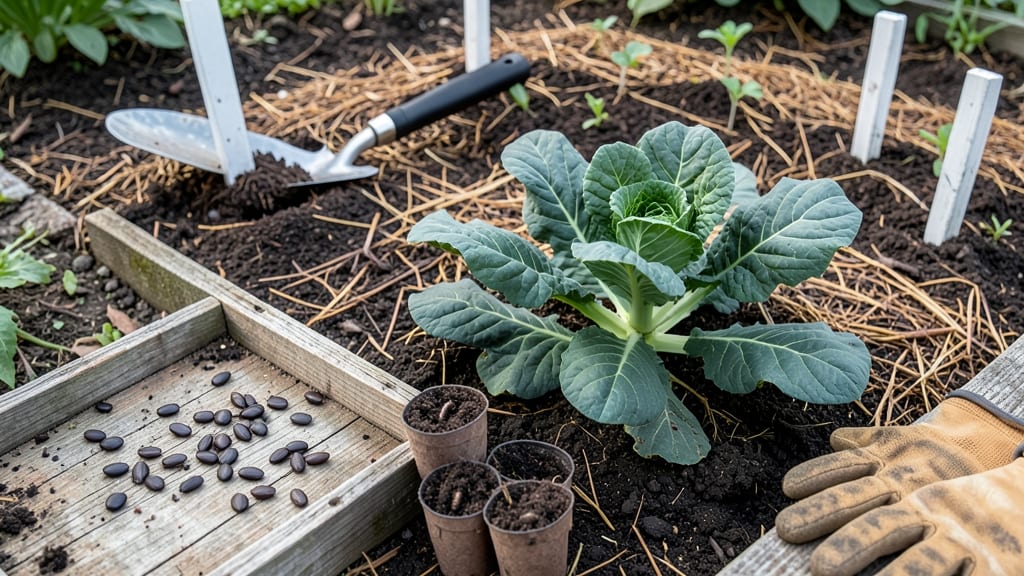
Planting collard seeds at the wrong time in North Carolina can mean the difference between a bountiful harvest and bitter disappointment. These frost-resistant greens thrive when sown just right, and getting the timing down is the key to tender, flavorful leaves all season.
I’ve learned that collards 🥬 actually love cooler weather, which makes North Carolina’s mild winters perfect for them—but only if you plant at the right moments.
Whether you’re in the Piedmont or the Coastal Plain, the ideal windows are March-April for spring and August-September for fall, aligning with soil temperatures and frost risks.
What most gardeners miss is how collards handle cold better than many other greens, letting you push your planting windows further than you think. In this guide, I’ll break down exactly when to plant for your specific NC zone, plus pro tips to extend your harvest well into winter.
Ready to grow collards that keep producing even when other plants give up? Let’s dive into the frost-resistant schedule that’ll have you harvesting all season long.
North Carolina collard planting timeline: frost dates & soil temperature guide
North Carolina’s diverse microclimates mean your collard seeds timing depends on whether you’re in the Coastal Plain, Piedmont, or Mountains. The key to success?
Planting when soil temperatures hit 50–65°F—this ensures strong germination and avoids frost-sensitive seedlings. Let’s break down the optimal planting windows for your region.
For most of NC, the last frost date falls between mid-March (Coastal) and early April (Mountains).
This means your first planting window opens in late February to March, but wait until soil warms to 55°F+ for best results. Fall planting is equally viable, starting in late August to avoid summer’s brutal heat.
🌱 Pro Tip: Use a soil thermometer to confirm readiness—cold, wet soil delays germination. If your soil is still chilly in March, opt for row covers to protect young plants.
| Planting Window | Soil Temp | Last Frost | Harvest Ready |
|---|---|---|---|
| Late February–March | 50–65°F | Mid-March–April | May–June |
| Late August–September | 60–75°F | Mid-November | October–November |
| Succession Planting | 55–70°F | N/A | Staggered harvests |
🌡️ Note: Coastal NC soils warm 2–3 weeks earlier than the Mountains.
If you’re in USDA Zone 7b (e.g., Raleigh), aim for March 1–15 for spring planting. Zone 6b gardeners (e.g., Asheville) should wait until April 1 to avoid late frosts. For fall collards, plant by September 1 to ensure mature leaves before first frost (mid-November in most areas).
💡 Regional Hack: In the Mountains, extend your season with black plastic mulch—it warms soil by 5–10°F, letting you plant 2 weeks earlier in spring.
For direct sowing, scatter seeds ¼-inch deep, spacing them 18–24 inches apart. If starting indoors, sow 4–6 weeks before last frost and transplant seedlings with soil balls intact to minimize shock. Transplant shock is the #1 reason collards bolt or wilt.
🌿 Soil Prep
Spring vs fall collard planting in NC: which season wins for your region?
Choosing between spring and fall planting for collards in North Carolina depends on your microclimate and pest pressures. Each season offers unique advantages—spring delivers earlier harvests, while fall extends your growing window into cooler months when pests like flea beetles are less aggressive.
In Coastal NC, where winters are milder, fall planting often yields sweeter leaves with less bitterness. Meanwhile, Piedmont and Mountain regions benefit from spring planting to avoid early frost risks.
Let’s break down the pros and cons for each approach to help you decide what works best for your garden.
Spring Planting (March-April)
- Earlier harvests (ready by late spring)
- Longer growing season before summer heat
- Fewer pests early in the year
- Hot summers can stress plants
- Requires consistent watering to prevent bolting
- Flea beetles may appear in late spring
For fall planting (August-September), the key is to time it so your collards mature before the first frost. In most of NC, this means aiming for a harvest by mid-November. Fall-planted collards often taste sweeter because cooler temps reduce bitterness, and the plants grow slower, staying tender longer.
However, fall planting comes with its own challenges. Pests like cabbage worms and aphids thrive in warm fall weather, so monitor your plants closely. Using row covers or neem oil sprays can help protect young seedlings. Additionally, soil temperatures must stay above 50°F for seeds to germinate properly.
If you’re in Zone 7b or warmer (like Coastal NC), you can even try a late summer planting (July) for a fall harvest. Just be prepared to provide some shade during the hottest afternoons to prevent leaf scorch.
In higher elevations (like the Mountains), stick to spring planting to avoid early frost risks.
To maximize your success, consider starting seeds indoors 4-6 weeks before your target planting date. This gives seedlings a head start and helps you avoid transplant shock. Whether you choose spring or fall, well-draining soil and full sun exposure are non-negotiable for healthy collard growth.