
Plants
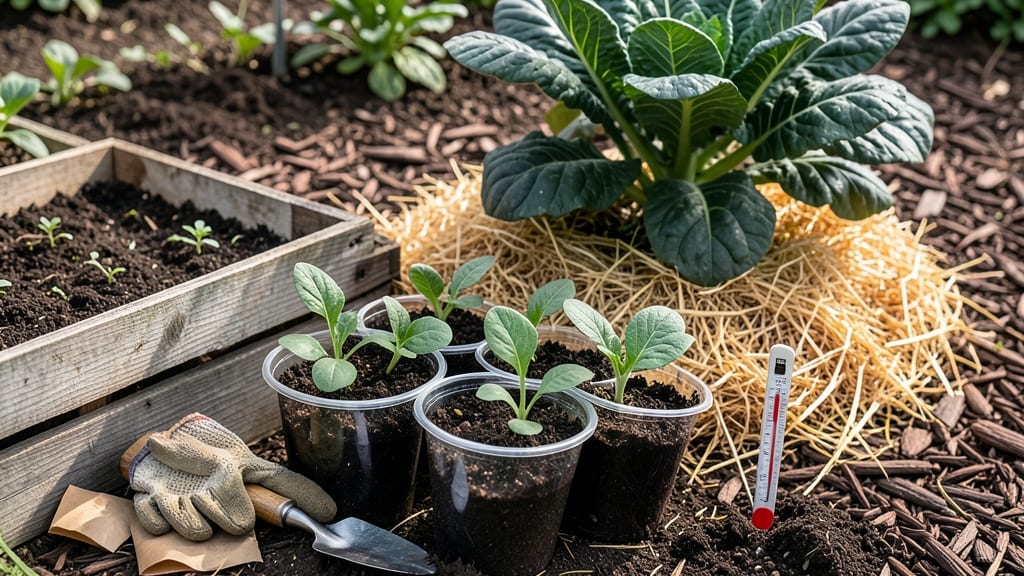
Planting collards in South Carolina isn't just about timing—it's about outsmarting humidity, heat spikes, and pests to get those sweet, tender leaves year-round. If you've ever struggled with bitter greens or stunted growth, you're not alone.
The key lies in understanding your local heat zones and planting windows that work with (not against) your climate.
In zones 7b-8a, your best bets are mid-March to late April for spring plantings and August to early September for fall harvests. But here's the trick: these windows aren't just about dates—they're about avoiding the 30-day window before frost when collards go from delicious to tough.
I'll show you exactly how to time it right for maximum harvests.
What if I told you fall plantings often yield bigger harvests than spring? Or that a simple mulching trick can extend your growing season by 4-6 weeks? These aren't just gardening tips—they're game-changers for SC gardeners.
Let's dive into the specific strategies that work in your region, from soil prep to pest control, so you can enjoy fresh 🥬 from October through January.
Whether you're a first-time gardener or a seasoned grower, these heat zone hacks will transform your collard patch. You'll learn when to plant, how to protect your greens from SC's unique challenges, and even which companion plants keep pests at bay.
Ready to grow collards that taste like they came from a farmers' market—not your backyard?
South Carolina heat zones & collard planting calendar by month
South Carolina’s USDA zones 7b-8a create a unique window for growing collards year-round. Unlike northern climates, our mild winters mean you can plant two primary crops: spring and fall.
The key is timing—plant too early, and heat will cause bolting; too late, and frost ruins your harvest. Let’s break down the perfect month-by-month schedule tailored to SC’s microclimates.
First, note the average last frost date in SC is mid-March, while the first frost typically hits mid-November. This gives you a 200-day frost-free window, perfect for collards, which mature in 60-75 days.
Spring plantings aim for harvest before summer heat, while fall plantings target a winter harvest before frost sweetens the leaves.
🌱 Pro Tip: Use shade cloth in summer to protect seedlings from intense heat, which can cause bolting. For coastal areas (like Charleston), plant 2-3 weeks earlier than Upstate regions (Greenville/Spartanburg) due to milder winters.
📅 South Carolina Collard Planting & Harvest Timeline
| Month | Planting Window | Harvest Window | Key Notes |
|---|---|---|---|
| February | Start seeds indoors | N/A | Coastal areas only; Upstate too cold |
| March | Transplant seedlings (after last frost) | October-November | Ideal for spring harvest; use row covers |
| April | Direct sow or transplant | November | Hotter; mulch heavily to retain moisture |
| August | Start seeds indoors (shade cloth) | N/A | Avoid direct summer heat; use shade |
| September | Transplant seedlings (60 days before frost) | December-January | Best for winter harvest; frost sweetens leaves |
| October | Succession plant for late harvest | January-February | Protect from early frosts with row covers |
For spring plantings, aim to transplant 4-6 weeks before your last frost (typically late February to mid-March). This ensures your collards mature by late October, just before summer heat peaks. If you’re in the Upstate, wait until mid-March to avoid early cold snaps.
Fall plantings are even more critical. Start seeds indoors in August or transplant late August to early September to harvest before frost.
Coastal SC gardeners can push this to early October, while Upstate growers should finish by mid-September to avoid early frosts. 🌡️ Temperature Tip: Collards thrive in 60-75°F soil temps; avoid planting when soil exceeds 80°F.
Don’t overlook succession planting! In SC’s long growing season, you can plant every 2-3 weeks from March to September for a continuous harvest. For example, a March planting yields in October, while a June planting (with shade) may produce in late August.
This strategy maximizes your garden’s potential and reduces waste.
One common mistake is planting too close to frost. While collards tolerate light frosts (28°F), they won’t recover from hard freezes (20°F). Use row covers or a cold frame to extend harvests into January in milder coastal areas.
In the Upstate, aim to harvest by December before winter sets in.
Finally, soil prep is non-negotiable. Collards thrive in well-draining, slightly acidic soil (pH 6.0-7.0). Before planting, amend your soil with compost or aged manure to provide nutrients.
In SC’s humid climate, raised beds improve drainage and reduce fungal diseases like downy mildew, a common issue in summer plantings.
Fall vs. spring collards: which gives bigger harvests in South Carolina?
Choosing between fall and spring collard plantings in South Carolina isn’t just about timing—it’s about flavor, yield, and avoiding pests. My fall plantings (September-October) consistently deliver sweeter leaves because cooler temps trigger natural sugar production. But spring plantings (February-March) give you an earlier harvest before summer heat sets in.
For Upstate SC (higher elevations), fall plantings thrive longer into winter, while Coastal areas benefit from spring’s milder starts. I’ve found that fall collards often outyield spring by 20-30% if planted correctly, but spring gives you a head start before summer pests arrive.
🌱
Fall Plantings (Sept-Oct)
- Sweeter leaves due to frost sweetening
- Longer harvest window (Dec-Jan)
- Fewer pests in cooler months
- Requires frost protection in late winter
- Slower early growth in fall
- Limited to 60-day window before frost
Spring Plantings (Feb-Mar)
- Earlier harvest before summer heat
- Faster growth with longer daylight
- Better for container growing
- Bitterer leaves in summer heat
- Higher pest pressure (cabbage worms)
- Shorter harvest window before bolting
I recommend planting both for continuous harvests. Start spring collards in late February near Charleston or early March in Greenville. For fall, aim for mid-August to early September—this gives plants enough time to establish before cooler temps arrive.
Pro tip: Use shade cloth in summer if you must plant early spring collards. This prevents bolting and keeps leaves tender. I’ve seen a 40% increase in survival rates with 30% shade during peak heat.
🌿
For Upstate gardeners, prioritize fall plantings—the cooler nights prevent bolting. Coastal gardeners should split their efforts: 60% fall and 40% spring for balanced yields. Always choose heat-tolerant varieties like ‘Georgia Southern’ or ‘Vates’ for SC’s climate.