
Plants
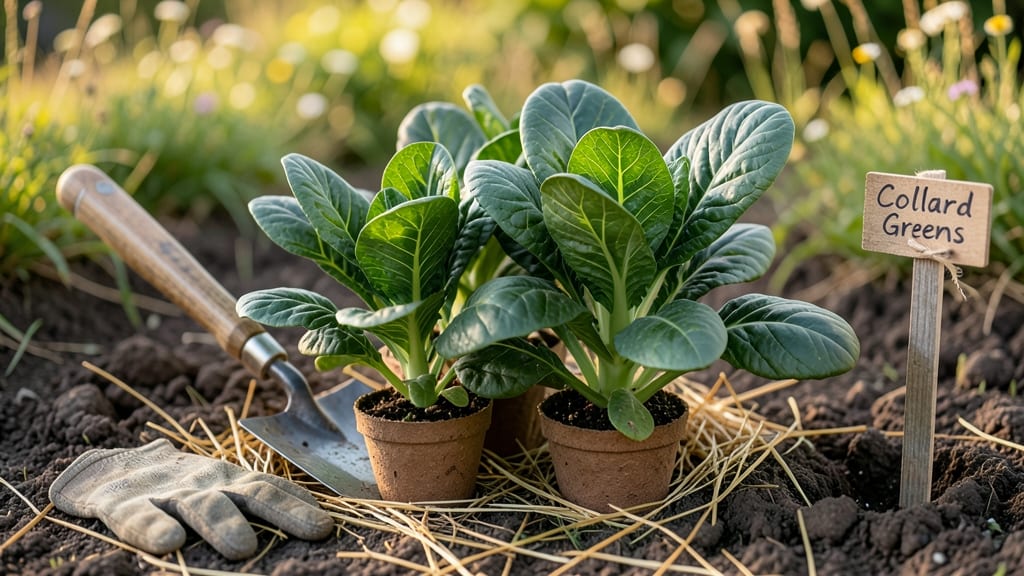
Planting collard greens at the wrong time in Georgia can turn your garden into a bitter disappointment instead of a harvest of tender, flavorful 🥬 greens.
The key to success lies in understanding your local heat zone deadlines—because while these hardy plants thrive in Georgia's mild winters, they despise extreme summer heat.
If you've ever wondered why your collards bolted or tasted tough last season, timing is likely the culprit.
I've grown collards in Georgia's 7b-8b zones for years, and the difference between a stellar harvest and a struggle comes down to planting in the right windows: late winter through early spring, or early fall before the first frost.
Let's break down the exact months you should be planting, how to extend your harvest through Georgia's seasons, and the common mistakes that ruin even the most well-intentioned gardeners' crops. You'll learn how to time your plantings for continuous harvests from spring through fall.
Whether you're a first-time gardener or a seasoned grower, these insights will help you maximize your collard green yields—without the guesswork. Ready to transform your garden into a year-round green machine?
Georgia heat zone planting calendar for collard greens
Georgia’s USDA zones 7b-9a create perfect conditions for growing collard greens year-round—but timing is everything. Plant too early in heat zones 8b+, and you’ll get bitter, bolting greens.
Too late, and your harvest shrinks before winter sets in. Let’s break down the ideal planting windows for Georgia’s diverse microclimates, from coastal Savannah to the Piedmont’s higher elevations.
Most gardeners in Georgia focus on two main planting windows: early fall for winter harvests and late winter for spring crops. However, succession planting in late summer can extend your harvest into early winter before frost arrives.
The key is understanding your last frost date—typically around mid-February for first frosts and mid-November for final frosts in most regions.
🌱
For heat zones 8b+ (common in southern Georgia), avoid planting collards from May through July. The intense summer sun causes bolting—when plants flower prematurely and leaves turn bitter.
Instead, use shade cloth (30-50%) if you must plant during these months, or wait for cooler temperatures in late August.
In higher elevation zones (7b), like the North Georgia mountains, you can push your spring planting slightly later—up to mid-April—since cooler nights delay bolting. Test your soil temperature with a thermometer: collards thrive when soil is between 55-70°F for germination and growth.
💧
Transplanting 6-week-old seedlings gives you a head start. For fall crops, aim to transplant by mid-September in northern Georgia or early October in southern zones. This ensures plants establish roots before cool weather slows growth.
In spring, wait until 2-3 weeks after your last frost date—usually mid-March—to avoid frost damage.
Pro tip: Direct sowing in late summer (July-August) works well for succession planting. Sow seeds every 2-3 weeks until mid-September to stagger harvests. Use row covers in fall to protect young plants from light frosts (28-32°F), which won’t harm mature collards but can damage seedlings.
🌡️
Georgia’s coastal regions (9a) have longer growing seasons, so you can extend fall planting into early October. However, monitor hurricane season (June-November)—strong winds can uproot young plants. In Piedmont zones (7b-8a), focus on early September planting to avoid early winter frosts that can blacken leaves.
Always check your local extension service for microclimate adjustments. For example, Atlanta’s zone 8a may have 2-3 weeks earlier frost dates than nearby zone 7b areas. Adjust your planting timeline accordingly to maximize your harvest window.
Georgia heat zone planting calendar for collard greens
Georgia’s 7b-8b climate zones create perfect conditions for collard greens, but timing is everything. These cool-season crops thrive when soil temperatures stay between 45°F and 80°F. In Georgia, that means two ideal planting windows: late winter/early spring and early fall.
Planting outside these windows risks bolting (premature flowering) or stunted growth due to summer heat.
For spring harvests, aim to plant collards 2-3 weeks after your last frost date—typically mid-February to early March in most of Georgia. This timing ensures they mature before summer’s oppressive heat sets in.
In Zone 8b (coastal areas), you can start even earlier, around late January, while inland areas should wait until mid-March.
📅 Georgia Collard Green Planting Timeline
| Season | Planting Window | Soil Temp | Harvest Window |
|---|---|---|---|
| Spring | Feb 15 - Mar 15 | 50°F-65°F | Apr - May |
| Early Fall | Aug 1 - Sep 15 | 60°F-75°F | Oct - Nov |
| Late Fall (Zone 8b only) | Oct 1 - Nov 1 | 55°F-68°F | Dec - Jan |
💡 Pro Tip: Use a soil thermometer to confirm temps before planting—collards won’t germinate well below 50°F.
Fall planting is equally critical for a winter harvest. Start seeds or transplant 4-6 weeks before your first frost, which in Georgia typically falls around mid-November. For Zone 8b, you can push this to early October for a late-winter harvest.
Avoid planting after September 15 in most areas, as daytime temps often exceed 85°F, causing stress.
Direct sowing works for both seasons, but transplants give you a 2-week head start. If you’re starting from seed, sow ½-inch deep and keep soil moist until germination (typically 5-10 days).
Space seedlings 12-18 inches apart in rows 24 inches apart to allow airflow and prevent disease. In Georgia’s humidity, this spacing is non-negotiable for healthy growth.
One common misconception is that collards can handle summer heat like kale. While they’re more heat-tolerant, prolonged temps above 90°F will cause leaf bolting and bitterness. If you miss the fall window, consider shade cloth (30-50%) to protect plants during summer months, though yields will be lower.
For true year-round success, stick to the spring/fall windows and use succession planting for continuous harvests.
Remember: Georgia’s long growing season means you can enjoy fresh collards from spring through winter with proper timing. Start with these windows, and you’ll avoid the heartbreak of bitter, stunted plants. Next, we’ll explore how to extend your harvest even further through Georgia’s seasons—without the guesswork.