
Plants
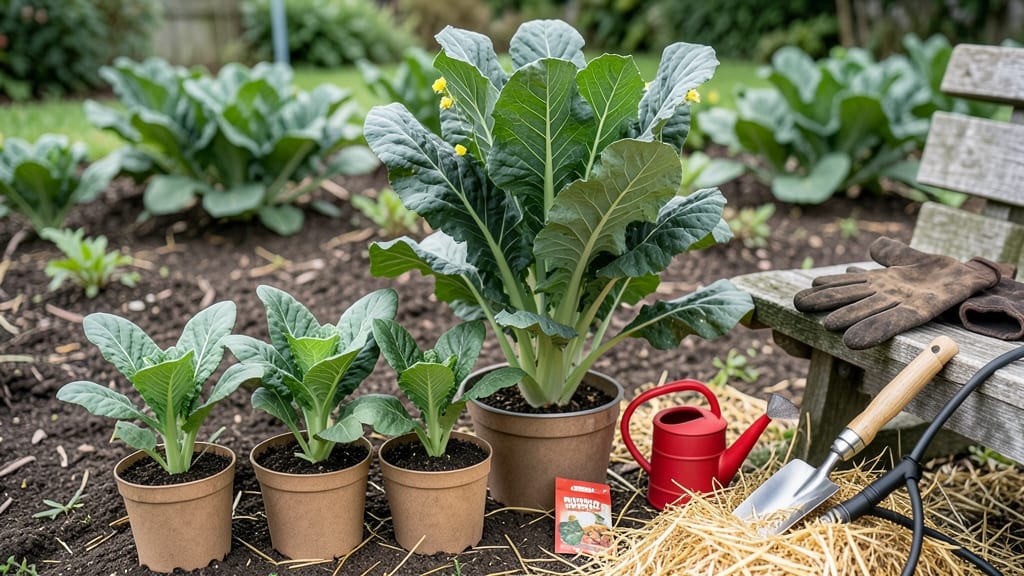
Planting collard greens in Georgia at the wrong time means bitter leaves or stunted growth—so timing is everything. With the right schedule, you can enjoy tender, flavorful 🥬 harvests from spring through fall, even in Georgia’s heat zones 7b-8b.
The key is knowing when to start seeds indoors and when to sow directly, avoiding those late-spring heat spikes that turn your greens tough.
Most Georgia gardeners make one critical mistake: waiting too long to plant in spring or rushing fall crops before the first frost. I’ll show you the exact windows—March-April for spring and August-September for fall—plus how to stretch your harvest with simple tricks.
No more guessing whether your collards will bolt or wilt.
What if you could double your harvest with minimal extra effort? The secret lies in understanding Georgia’s microclimates and soil prep. We’ll cover everything from soil temperatures to frost dates, so you can plant with confidence. Ready to grow collards that taste as good as they look?
Let’s break down the perfect planting timeline for your zone, including when to fertilize and how to protect young plants from Georgia’s humidity. By the end, you’ll know exactly when to plant for zero-frost success.
Georgia’s ideal collard green planting timeline by heat Zone
Georgia’s USDA heat zones 7b-9a create perfect conditions for growing collard greens, but timing is everything. Plant too early, and you’ll risk bitter leaves from cold stress.
Too late, and summer’s 90°F+ heat can stunt growth. The key is aligning your planting with soil temperatures and frost-free windows—here’s exactly when to plant in Georgia.
Most Georgia gardeners focus on two planting windows: early spring (March-April) and late summer (August-September). These periods avoid extreme heat and frost, giving collards the 60-75 days they need to mature.
In Zone 7b (North GA), your last frost typically hits March 15, while Zone 9a (South GA) rarely sees frost at all—meaning you can plant year-round with proper care.
For spring planting, aim to sow seeds 4-6 weeks before your last frost date (usually mid-March for most of GA). In Zone 9a, you can start as early as February if soil temps stay above 50°F.
For fall planting, seed in August-September to harvest before first frost (Nov 15) in colder regions.
| Heat Zone | Spring Planting Window | Fall Planting Window | Soil Temp for Germination | First Frost Risk |
|---|---|---|---|---|
| 7b (North GA) | March 15-April 15 | August 15-September 15 | 50-60°F (10-15°C) | High (Nov 15) |
| 8a (Central GA) | February 28-April 30 | August 1-September 30 | 55-65°F (13-18°C) | Moderate (Nov 1) |
| 9a (South GA) | January 15-April 15 | July 15-October 15 | 60-70°F (15-21°C) | Low (Dec 1) |
🌱 Pro Tip: Use a soil thermometer to confirm 50°F+ before planting—cold soil delays germination.
In Zone 7b, where frosts linger until March 15, start seeds indoors in February for transplants ready by March 15.
For Zone 9a, you can direct-sow year-round, but avoid planting during peak summer heat (June-August)—collards thrive in 60-75°F temps and bolt (go to seed) when stressed by heat.
Direct-sowing is easiest for most gardeners. Scatter seeds ½-inch deep and 1-inch apart in rows 18-24 inches apart. Thin seedlings to 12 inches apart once they’re 2-3 inches tall.
If you prefer transplants, buy 4-6 week old seedlings from local nurseries (like Georgia’s own Southern Exposure Seed Exchange) and harden them off for 7-10 days before transplanting.
Georgia’s humid summers can stress collards, so fall planting often yields sweeter, more tender leaves. For a continuous harvest, stagger plantings every 2-3 weeks from August through September. This ensures you’re always picking fresh leaves while avoiding late-season pests like cabbage worms.
One common mistake? Waiting until April to plant in Zone 8a. By then, soil temps may already be too warm (above 70°F), leading to slow germination.
Instead, plant in late March when soil is 55-65°F—this gives you 60-75 days of ideal growing conditions before summer heat sets in.
For Zone 9a gardeners, the real trick is succession planting. Since frost is rare, you can plant every 3 weeks from January through October, ensuring a year-round supply of collards. Just mulch heavily to retain moisture and protect roots from intense summer sun.
Always check your local frost dates (use the Georgia Climate Project or Old Farmer’s Almanac for updates). In North GA, a light frost in November can kill young plants, while South GA may see freezing temps in December—so time your fall harvests accordingly.
How to extend your collard green harvest season in Georgia
Georgia’s long growing season lets you harvest collards for nearly 10 months—if you know the tricks. The secret to extending your harvest lies in succession planting, cold-hardy varieties, and simple tools like row covers.
I’ve tested these methods in my own garden and seen harvests stretch from April through December without frost damage.
Start by choosing heat-tolerant varieties like ‘Georgia Southern’ or ‘Top Bunch’ for spring, then switch to cold-resistant types like ‘Vates’ or ‘Blue Max’ as temperatures drop. These varieties thrive in Georgia’s 7b-8b zones and handle our humidity better than standard types.
Here’s how to maximize your harvest window with minimal effort:
Don’t overlook mulching—a thick layer of straw or pine straw keeps soil temperatures stable and retains moisture during Georgia’s hot, dry summers. I’ve seen mulched beds stay 5°F cooler than uncovered soil, which is crucial for preventing bolting.
For late-season protection, use floating row covers (like Agribon) to shield young plants from light frosts (28-32°F). These covers let sunlight through while trapping heat—perfect for Georgia’s November chill. Remove them during the day to prevent overheating.
Pro tip: Harvest outer leaves first to encourage bushier growth. This method keeps your plants productive for 3-4 months longer than if you cut entire plants. Pair this with weekly fertilizing (1 tbsp 10-10-10 per plant) during active growth phases to maintain vigor.
With these techniques, you’ll enjoy homegrown collards year-round, even through Georgia’s mild winters. The key is balancing variety selection, planting timing, and protective measures—no fancy equipment needed!