
How To
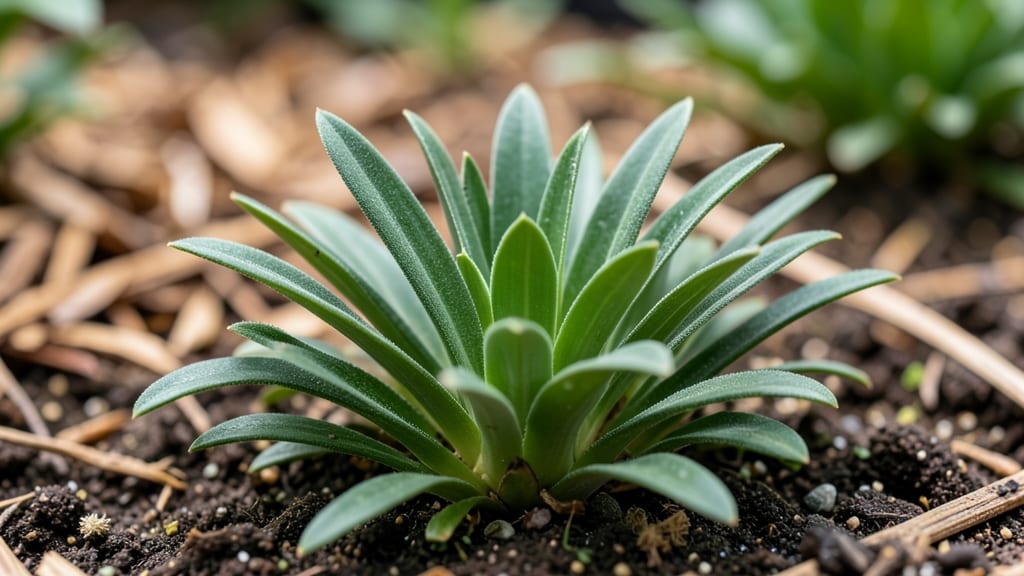
Planting centipede grass seed in Georgia isn’t just about timing—it’s about survival in the heat. With summer temperatures soaring past 90°F, even the hardiest grass struggles if planted too early or late.
The key lies in late spring when soil warms to 65–85°F, giving your 🌱 centipede grass the best shot at strong roots before the brutal Georgia sun takes over.
Most gardeners in Zone 7b–9a swear by April–May as the perfect window, but there’s a catch: Northern Georgia’s cooler microclimates may need a slight delay, while Southern regions can push it to early June.
Skipping this sweet spot means slower germination, weed competition, or worse—your seed baking in the heat before it even sprouts.
Here’s the game-changer: Centipede grass thrives when planted after the last frost (March 15 in most areas) but before the dog days of summer. We’ll break down exactly how to prep your soil, avoid common mistakes, and keep your lawn lush despite Georgia’s infamous humidity.
Let’s get your grass off to the right start.
Whether you’re seeding a new lawn or repairing bare patches, these insights will save you time, money, and frustration. Ready to turn your yard into a heat-resistant oasis? Let’s dive into the details that make all the difference.
Optimal planting window for centipede grass seed in Georgia’s heat Zone 8a
Georgia’s Heat Zone 8a creates a unique challenge for centipede grass seed—plant too early, and you risk fungal diseases from lingering moisture; too late, and summer heat stunts germination.
The sweet spot is a narrow window where soil temps hover between 65°F and 85°F, ideal for centipede’s slow but steady growth. This typically means April–May and September–October for most of the state, but microclimates near Atlanta or Savannah may shift these dates by 1–2 weeks.
Centipede grass isn’t like aggressive cool-season grasses—it hates rushing. Seedlings take 3–4 weeks to sprout and another 6–8 weeks to establish a root system.
Planting in late spring (after Memorial Day) or early fall (before Labor Day) gives young grass time to develop drought tolerance before Georgia’s brutal summer heat peaks. Pro tip: Check soil temps with a soil thermometer—if it’s below 65°F, wait.
Here’s the hard truth about centipede seed in Georgia: Germination rates drop sharply if soil stays above 90°F for more than 3 days. That’s why September planting is a backup plan—it avoids the peak heat of July–August while still allowing roots to strengthen before first frost (usually mid-November).
For northern Georgia (Zone 7b), add 2 weeks to these windows to account for cooler nights.
Don’t overlook humidity’s role—Georgia’s 90%+ humidity in summer can smother seeds if they’re not lightly covered (just ¼ inch of soil). This is why fall planting often outperforms spring in southern Georgia, where humidity lingers longer.
The key? Morning watering to reduce fungal risks while keeping soil moist but not soggy.
🌱 Centipede Grass Planting Timeline for Georgia
| Stage | Action | Ideal Months | Soil Temp |
|---|---|---|---|
| Prep Soil | Test pH (5.0–6.0), aerate, remove debris | March–April | 55–65°F |
| Plant Seed | Scatter seed, cover lightly, water | April–May or Sept–Oct | 65–85°F |
| Germination | Keep soil moist, avoid foot traffic | 3–4 weeks | 65–80°F |
| Establishment | Reduce watering, mow at 2–3" | 6–8 weeks post-plant | 70–90°F |
⚠️ Note: Southern GA (Zone 9a) can plant up to June 1 for fall establishment.
If you’re in northern Georgia (Zone 7b), push planting to May 15–June 1 to avoid late spring frosts, which can kill tender seedlings. The trade-off? Slower establishment before summer’s heat arrives.
For southern Georgia, September 1–15 is your last chance—any later, and cool nights slow growth before winter dormancy.
One critical mistake Georgia gardeners make? Ignoring shade. Centipede tolerates partial shade (4–6 hours of sun), but deep shade (under trees) will turn your lawn into a weedy mess. Test your yard’s sunlight with a sunlight map (use a free app) before planting.
If more than 50% of your lawn gets <4 hours of sun, consider shade-tolerant centipede blends or supplement with clover seed for fill.
Watering wrong after planting is another silent killer. Centipede seed needs consistent moisture but hates soggy soil. Use a rain gauge to track 1 inch of water per week—more in summer heat.
Pro move: Drip irrigation keeps soil evenly moist without fungal risks from overhead sprinklers. Once established, centipede’s deep roots make it drought-tolerant, but seedlings won’t survive dry spells.
Finally, don’t rush mowing. New centipede grass should reach 3
Optimal planting window for centipede grass seed in Georgia’s heat Zone 8a
Planting centipede grass seed in Georgia requires precision—especially in Heat Zone 8a, where temperatures swing between scorching summers and humid springs. The ideal window spans two periods: late April to May and September to early October.
These months balance soil warmth (65–85°F) and moisture levels, critical for germination and root establishment.
Why these months? April–May offers consistent rainfall and moderate temperatures, reducing drought stress. September–October avoids summer’s intense heat while still providing enough warmth for seed activation. Planting outside these windows risks poor germination or fungal diseases from excess moisture.
| Stage | Action | Soil Temp (°F) |
|---|---|---|
| Late April–May | Plant seed after last frost | 65–75°F |
| September–October | Plant for fall establishment | 70–85°F |
| Avoid | June–August (extreme heat) | >90°F |
Georgia’s microclimates add complexity. Northern regions (e.g., Athens) may extend planting into early June, while southern areas (e.g., Savannah) should finish by mid-October to avoid hurricane season disruptions. Always check your last frost date—typically mid-March for northern Georgia and early March for southern areas.
Pro tip: Use a soil thermometer to confirm 65°F+ soil temps before planting. Cool, wet soil delays germination, while overly hot soil (>90°F) can scorch seeds. Morning planting minimizes heat stress on fresh seeds.
After sowing, maintain consistent moisture for 4–6 weeks. Centipede grass seeds need light to stay moist but not waterlogged—Georgia’s clay-heavy soil drains poorly, so amend with compost or sand to improve aeration. Mulch lightly with straw to retain moisture and deter weeds.
Remember: Centipede grass grows slowly—don’t rush! Established lawns take 12–18 months to fill in completely. Patience pays off with a low-maintenance, drought-tolerant lawn that thrives in Georgia’s humid heat. 🌿