
Plants
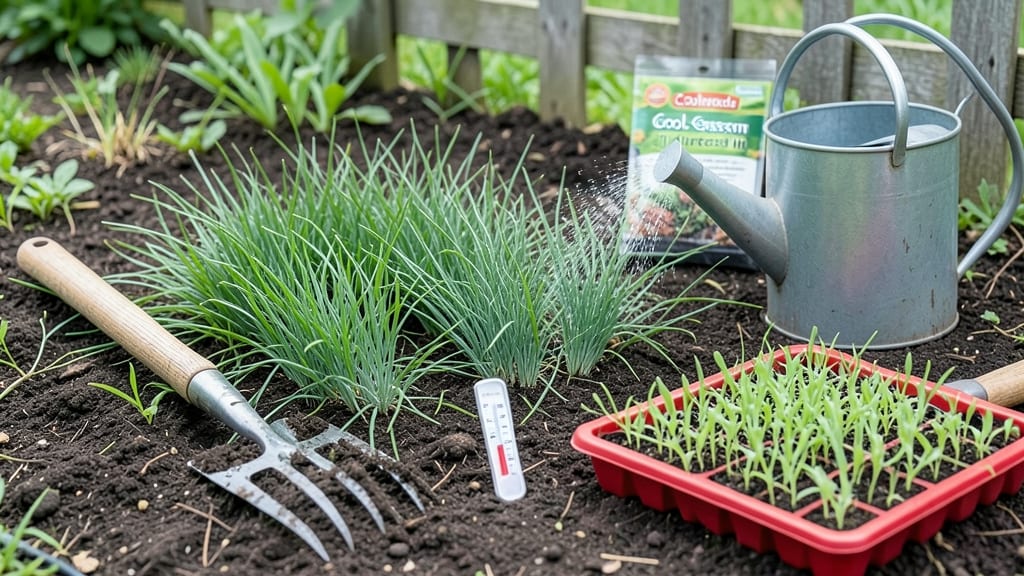
Timing your grass seed planting in Colorado isn't just about picking a month—it's about dodging the state's infamous late frosts and unpredictable microclimates. One wrong move, and your 🌱 could end up as crispy as a Denver bagel left in the sun.
Most gardeners assume early spring is the only window, but Colorado's USDA Zones 4-7 actually offer two prime opportunities: when soil warms to 50°F in March-April, or again in August-September before frost returns.
The Front Range and Western Slope play by different rules—what works in Denver may fail in Grand Junction.
I'll show you exactly when to plant in your specific corner of Colorado, from checking soil temperatures to adjusting for elevation. Skip the guesswork and learn how to turn your lawn dreams into reality—without the frostbite.
Whether you're seeding a new yard or repairing bare patches, these science-backed deadlines will help your grass take root strong. Let's get your lawn growing on the right schedule—before the next surprise freeze hits.
Colorado’s frost-free planting zones by elevation: when to plant grass seed by region
Colorado’s diverse elevation zones create wildly different planting windows—what works in Denver’s Front Range can fail in Grand Junction’s Western Slope. The key? Matching your soil temperature (minimum 50°F) to your region’s last frost date. Let’s break it down by zone so you plant at the perfect moment.
For Front Range cities like Denver and Boulder (elevation 5,000–7,000 ft), aim for mid-April to early May in spring or late August to early September in fall. These dates align with soil warming to 50–55°F and average last frost dates of April 15.
Higher elevations (e.g., Aspen/Vail) push planting back to late May or June due to later snowmelt.
Western Slope regions like Grand Junction (elevation 4,500 ft) enjoy earlier windows: March 15–April 15 in spring and September 1–15 in fall. The Eastern Plains (e.g., Fort Collins) mirror Front Range timing but with slightly warmer soil due to lower elevation.
Here’s the critical data you need to avoid frost damage or wasted seed:
Pro tip: Use a soil thermometer to confirm readiness—50°F is the magic number for germination. In urban heat islands (e.g., downtown Denver), soil warms 2–3 weeks earlier than rural areas, so adjust accordingly.
Fall planting is trickier in Colorado. Shoot for 4–6 weeks before first frost (typically October 15 in Denver) to let grass establish roots. In high-altitude areas, extend this to 8 weeks due to cooler soils.
Microclimates matter! A south-facing slope warms faster than a north-facing yard, potentially shaving 1–2 weeks off your planting window. Test your spot with a thermometer for precision.
For cool-season grasses (e.g., Kentucky Bluegrass), prioritize early spring planting when moisture is abundant. Warm-season grasses (e.g., Bermuda) thrive in late spring but struggle with Colorado’s short growing season.
Remember: Late frosts (common in May) can still damage new seedlings. Monitor the National Weather Service’s frost alerts and consider row covers for extra protection in high-risk zones.
🌱
How to adjust planting dates for Colorado’s unpredictable weather patterns
Colorado’s weather can shift faster than a mountain breeze, turning a perfect planting day into a frozen mess if you’re not prepared. The key to success lies in adjusting your planting dates based on real-time conditions rather than relying on averages.
I’ve learned that even a 5°F soil temperature difference can mean the difference between thriving grass and a failed lawn.
Start by checking your local frost-free date calculator—tools like the National Weather Service’s Climate Prediction Center provide hyper-localized data. For example, Denver’s average last frost is April 15, but in 2022, late frosts delayed planting until May 1.
Use these tools to set your planting window with a buffer of 2-3 weeks before the official date.
- 🌡️ Use a soil thermometer—plant when soil hits 50°F (10°C) at 4” depth. Cold soil = slow germination.
- 📅 Choose fast-germinating varieties like ‘Tifway’ Bermuda grass (7–10 days) over Kentucky Bluegrass (14–21 days).
- 🛡️ Modify microclimates with black plastic mulch (warms soil by 5–10°F) or row covers for late spring/early fall plantings.
- ☀️ Plant on cloudy days to reduce seed desiccation from wind and sun.
- 💧 Pre-water the soil to 12” depth 24 hours before planting—dry soil delays germination by 3–5 days.
Don’t overlook elevation adjustments. If you’re in Denver (5,280 ft), your planting window might be 2 weeks earlier than someone in Grand Junction (4,440 ft). High-altitude areas like Aspen (7,800 ft) need to wait until May 15 or risk frost damage.
I once planted Kentucky Bluegrass in early April in Vail—it took 3 weeks to sprout because the soil stayed below 45°F.
For fall plantings, aim for 6–8 weeks before your first frost. In Colorado Springs, that’s September 1–15, but in Durango, it’s August 15–September 1. Use a slow-release fertilizer (like 10-20-10) to give seedlings a nutrient boost before winter dormancy.
Pro tip: Overseed in early October if your area has mild winters—this gives grass time to establish before snow cover.
If you’re late to the game, don’t panic. You can still plant cool-season grasses like Fescue until mid-October in most of Colorado. Just reduce watering as temperatures drop and avoid fertilizing after September 15 to prevent winter burn.
I’ve had success planting ryegrass in late September—it germinates in 5–7 days and handles light frosts better than most varieties.
Finally, track your progress with a germination journal. Note the date you planted, soil temps, and rainfall. Over time, you’ll spot patterns—like how 2023’s early snow in Fort Collins ruined my October planting, but 2022’s dry fall allowed me to plant 2 weeks later without issues.
Adjust next year’s timeline based on your data, not just the calendar.