
Plants
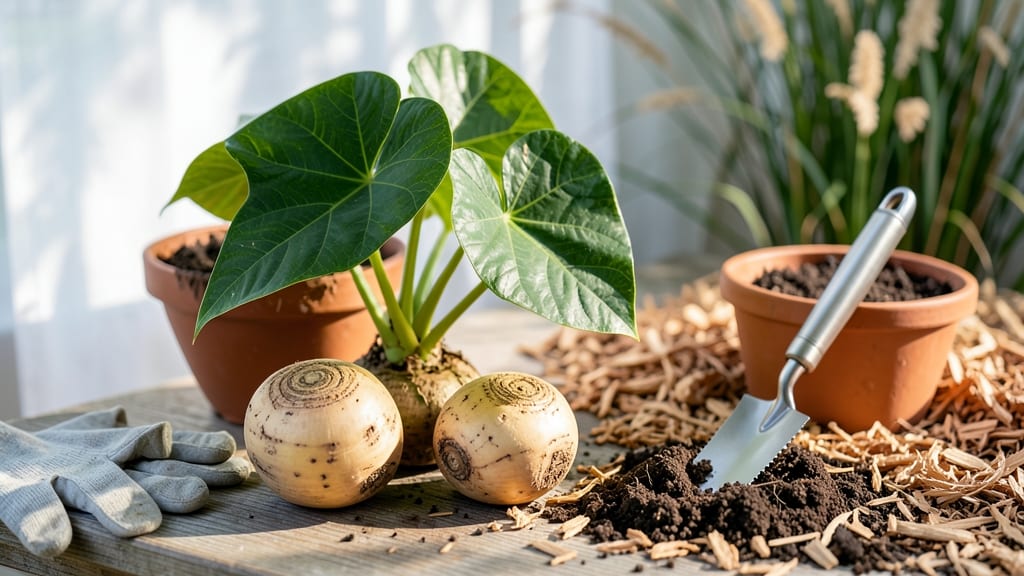
Planting caladium bulbs in North Texas at the wrong time means watching your vibrant 🌿 foliage wilt under the relentless summer sun before it even gets a chance to shine.
The key to success lies in timing—waiting until after the last frost when soil temperatures consistently stay above 65°F, usually between mid-April and May.
Why does timing matter so much? Caladiums thrive in heat but despise cold snaps, and North Texas’s unpredictable spring weather can turn a beautiful garden into a sad, brown mess if you plant too early.
I’ve learned the hard way that rushing these tropical beauties means risking stunted growth or worse—total failure.
In this guide, I’ll break down exactly when to plant your caladiums for maximum impact, including soil prep tips and care tricks tailored to North Texas’s 8a climate.
Whether you’re a seasoned gardener or just starting, these insights will help you grow lush, show-stopping foliage that lasts all summer long.
Let’s dive into the best practices so you can enjoy those stunning leaves without the guesswork—and avoid the heartbreak of a failed planting season.
Optimal planting timeline for caladium bulbs in North Texas heat zones
North Texas gardeners face a unique challenge with caladium bulbs—they thrive in heat but despise cold snaps. The key is planting after the last frost date (typically mid-March in most areas) but before soil temperatures hit 85°F+.
Aim for April to early May for peak performance, aligning with USDA zones 7b-9a.
Caladiums are tropical plants, so they need warm soil (at least 65°F) to sprout. Use a soil thermometer to check—if it’s cooler, wait. Late April is my go-to window in Dallas-Fort Worth, where mornings can still be chilly but afternoons warm up fast.
For container gardening, you can plant 2-3 weeks earlier since pots warm up faster. Just move containers indoors if nights dip below 50°F. This flexibility helps avoid the May heatwave that can stress young plants.
| Month | Soil Temp Requirement | Planting Window | North Texas Notes |
|---|---|---|---|
| March | 55°F+ (risky) | Late March (containers only) | Early frost risk; best for potted plants moved indoors at night. |
| April | 65°F+ (ideal) | Mid-April to early May | Perfect window for ground planting in partial shade. |
| May | 70°F+ (late planting) | Early May (hurried) | Risk of heat stress; prioritize shade and mulching. |
| June | N/A (too late) | Not recommended | Plants may bolt or struggle in peak summer heat. |
In East Texas (warmer zones like Tyler), you can push planting to late March since frost is rare. But in Panhandle areas (like Amarillo), wait until mid-May—caladiums won’t survive overnight temps below 50°F.
Pro tip: Mark your calendar for the average last frost date in your area (check Texas A&M AgriLife resources) and add 3-4 weeks for safety. This buffer accounts for North Texas’ unpredictable spring weather.
If you’re in urban heat islands (like Downtown Dallas), soil warms 2-3 weeks earlier than rural areas. Test soil temps in your specific spot—caladiums will thank you with brighter foliage and fewer stress marks.
For extended-season gardens, stagger planting: start with hardier varieties (like ‘White Queen’) in early April, then add heat-sensitive types (like ‘Candidum’) in late April. This ensures continuous color from May through October.
Remember: Caladiums are not frost-tolerant. If an unexpected cold snap hits after planting, cover them with frost cloth or move containers indoors. Prevention is easier than recovery!
Once planted, monitor for yellowing leaves—a sign of too much sun or overwatering. Adjust care based on your North Texas microclimate to keep those show-stopping leaves vibrant all season. 🌿
Optimal planting timeline for caladium bulbs in North Texas heat zones
Caladium bulbs thrive in North Texas’s long, hot summers, but planting them too early risks frost damage while waiting too long can stunt their vibrant foliage. The key is to time it right—after the last frost date (typically mid-April) and when soil temperatures hit at least 65°F.
This ensures your tropical beauties escape the chill while avoiding the brutal 100°F+ summers that can stress them prematurely.
North Texas spans USDA Zones 7b-9a, so adjustments are needed. In cooler areas like Denton or Wichita Falls, aim for early May, while Dallas-Fort Worth gardeners can plant as early as late April.
Always check your local last frost date—a quick Google search for "North Texas frost dates" will save you from costly mistakes.
| Month | Soil Temp | Action | Notes |
|---|---|---|---|
| March | 50-60°F | Prep soil | Amend with compost; avoid planting |
| April | 65-75°F | Plant bulbs | After last frost; use shade cloth |
| May | 75-85°F | Establish roots | Water deeply; mulch heavily |
| June+ | 90°F+ | Provide shade | Use 30-50% shade cloth |
For container growers, late April is ideal—caladiums in pots heat up faster, so monitor soil temps closely. Use a soil thermometer ($10 at garden centers) to confirm readiness. If your soil is still cool, delay planting until mid-May—better late than risking bulb rot from cold, wet soil.
Pro tip: In urban heat islands like downtown Dallas, plant caladiums 2-3 weeks earlier than rural areas. The extra heat helps them establish faster, but pair it with afternoon shade to prevent leaf scorch. Test your microclimate by observing how quickly nearby plants (like impatiens) respond—caladiums need similar conditions.
Once planted, mulch heavily with 2-3 inches of organic mulch (like shredded bark) to lock in moisture and regulate soil temps. This is especially critical in North Texas’s dry spells, where caladiums can wilt faster than you’d expect.
Think of mulch as their insulation blanket against both heat and drought.
Remember, caladiums are tender perennials—they’ll die back in fall, but their bulbs can be dug up and stored for next year. Plan to lift them before the first frost (usually mid-November) and store in a cool, dry place until replanting in spring.
This simple step ensures you can enjoy their stunning foliage year after year without replanting.