
Plants
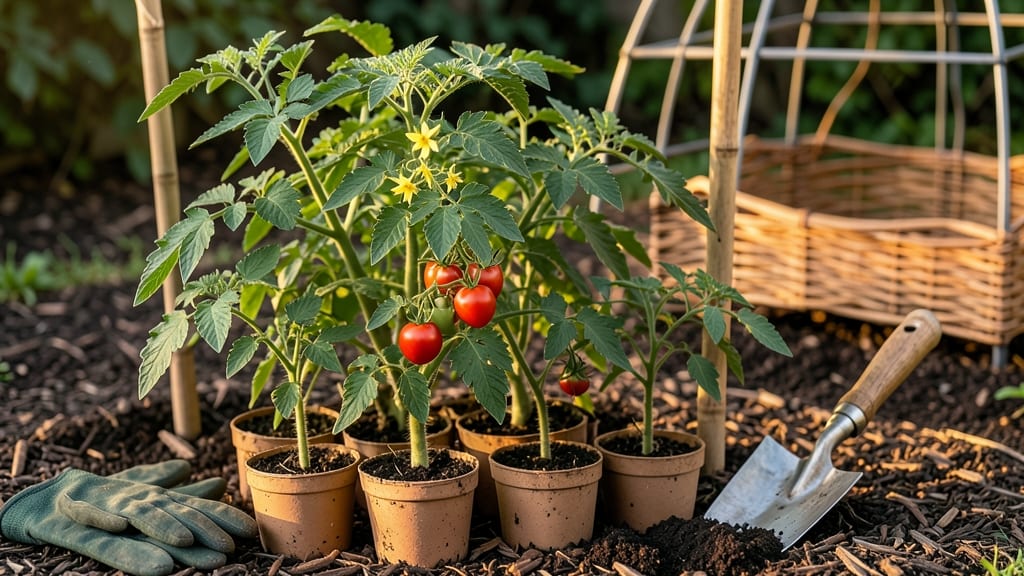
Timing when to plant fall tomatoes in North Texas isn’t just about checking a calendar—it’s about beating the first frost while giving your plants enough time to mature. Get it wrong, and you’ll watch your hard work turn to mush overnight.
But nail the window, and you’ll enjoy homegrown tomatoes through November, even in USDA Zone 8a.
Most gardeners here know the late July to early September window is critical, but the real secret lies in your county’s microclimate.
Dallas and Tarrant counties have slightly different frost risks than Collin or Denton, and those extra 10 days can mean the difference between a bountiful harvest and a sad, shriveled vine.
I’ve spent years testing what works in North Texas, and the key is balancing heat tolerance with cold resistance. Plant too early, and your tomatoes won’t ripen before the chill sets in.
Too late, and you’ll miss the sweet spot where warm days and cool nights bring out their best flavor.
Ready to avoid the common mistakes? I’ll walk you through the exact planting deadlines for your area, the best varieties for fall, and how to stretch your harvest season with simple tricks. Let’s get those tomatoes growing—and keep them that way until winter arrives.
North Texas fall tomato planting deadlines by county: avoiding frost damage
Timing your fall tomato planting in North Texas isn’t just about the calendar—it’s about avoiding frost damage while ensuring your plants mature before winter’s chill. With USDA Zone 8a/8b conditions, your county’s first-frost date dictates your last chance to plant.
Miss it, and you’ll watch your seedlings turn to ice instead of ripe fruit.
Most North Texas counties experience their first frost between mid-November and early December, but urban heat islands (like Dallas or Fort Worth) can delay frost by 1-2 weeks. Rural areas, like Montague or Young counties, often see frost earlier.
To succeed, plant your tomato seedlings 6-8 weeks before your county’s average first frost—this gives them time to grow, flower, and produce fruit before the cold sets in.
Soil temperature is just as critical as frost dates. Tomatoes thrive when soil stays above 55°F (13°C). In North Texas, soil temps drop below this by mid-October in most areas. If you’re planting late, use black plastic mulch or row covers to keep roots warm. Without these tricks, your seedlings may rot in cold soil or fail to germinate at all.
| County | First Frost Avg. | Last Planting Window | Notes |
|---|---|---|---|
| Dallas | Nov 20 | Aug 20 - Sep 10 | Urban heat delays frost; use row covers for late plants. |
| Tarrant | Nov 15 | Aug 15 - Sep 5 | Windier; stake plants early to prevent damage. |
| Collin | Nov 22 | Aug 22 - Sep 12 | Soil stays warm longer; ideal for late varieties. |
| Denton | Nov 18 | Aug 18 - Sep 8 | Higher elevation; cooler nights. |
| Montague | Nov 5 | Jul 25 - Aug 15 | Earliest frost; plant only fast-maturing varieties. |
If you’re in Dallas or Collin County, you’ve got a slightly longer window to plant—up to early September—thanks to urban heat. But if you’re in Montague or Young County, your last chance is mid-August.
For these areas, opt for early-maturing varieties like 'Celebrity' or 'Early Girl', which can produce fruit in as few as 55-60 days.
Pro tip: Check your local AgriLife Extension office for microclimate adjustments. A spot near a building or pond might stay warmer longer, giving you an extra week or two to plant.
Conversely, open fields or northern exposures will frost earlier. Always err on the side of planting earlier rather than later—you can always thin seedlings, but you can’t replant after frost.
For container gardening, your frost dates shift slightly. Pots lose heat faster, so move them indoors or under a greenhouse by mid-October, even if your county’s frost date is later. Use a thermometer to monitor soil temps—if it drops below 50°F (10°C), your tomatoes will suffer.
Remember, tomato plants need 6-8 hours of sunlight daily to thrive. In fall, days shorten quickly, so place your plants in the sunniest spot possible. If your garden is shaded by trees, consider pruning branches or relocating seedlings to a sunnier area before transplanting.
Finally, don’t forget to harden off your seedlings before planting. If you’ve grown them indoors or under grow lights, expose them to outdoor conditions for 7-10 days before transplanting. This toughens them up and reduces shock, giving your fall crop a fighting chance against North Texas’ unpredictable weather.
With these deadlines and tips, you’ll avoid the heartbreak of frost-killed tomatoes and enjoy a bountiful fall harvest instead. Happy planting! 🌱
How to extend your fall tomato season: 5 proven techniques for North Texas
North Texas’ unpredictable fall weather can cut your tomato harvest short—but with the right strategies, you can push your season by weeks. I’ve tested these 5 proven techniques in my own garden to delay frost damage and maximize yields.
The key is combining cold protection with fast-maturing varieties and smart soil prep.
First, focus on early-maturing varieties like 'Celebrity' (65 days) or 'Mountain Merit' (70 days). These ripen faster, giving you a head start before temperatures drop. Pair them with soil warming tricks, like black plastic mulch, to keep roots cozy and active longer.
🌱
Each method has trade-offs. For example, row covers trap humidity, which can increase fungal risks like early blight. To mitigate this, water in the morning and avoid overhead spraying. Cold frames, while effective, require daily monitoring—lift the lid on sunny days to prevent overheating.
Pro tip: Combine two techniques for best results. I’ve had the most success with black plastic mulch + row covers on my 'Solar Fire' plants. This combo extends the harvest window by 3-4 weeks in my Dallas County garden.
Don’t forget to prune suckers aggressively in late August to redirect energy to fruit production. And if a frost warning hits, rush to harvest or cover plants immediately—even 30°F can damage leaves and stunt growth.
🌿 With these strategies, you’ll turn North Texas’ short growing season into a second chance for juicy tomatoes. Start testing methods now—your fall harvest depends on it!