
Plants
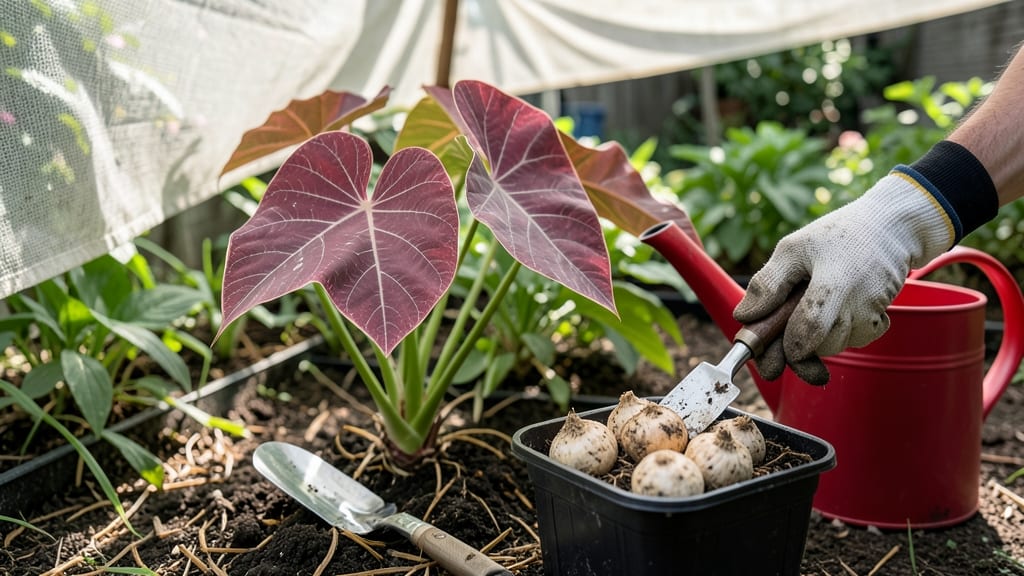
Planting caladium bulbs at the wrong time in Houston can mean the difference between vibrant, lush foliage and floppy, sad leaves struggling in the heat. These tropical favorites need just the right conditions to thrive in our 9a climate, and timing is everything.
Most gardeners make one of two mistakes: either planting too early when the soil is still too cool, or waiting too long and missing the ideal window.
The key is to get those bulbs in the ground after the last frost risk has passed—typically in early spring—when temperatures consistently stay above 60°F.
In Houston, that usually means aiming for March or April, when the ground has warmed up and the humidity is just right.
This timing ensures your caladiums get a strong start before the summer heat kicks in, giving them the best chance to put on that stunning show of colorful leaves.
Once you’ve got the timing down, the next step is creating the perfect environment—rich soil, partial shade, and consistent moisture. Let’s break down exactly how to make this happen for your 🌿 caladiums and keep them thriving all season long.
Houston’s ideal caladium planting timeline: month-by-month guide
Caladium bulbs love Houston’s heat once they’re planted at the right time, but getting them in too early can spell disaster. Since Houston’s last frost date is around January 15, you’ve got a narrow window to avoid cold snaps that can kill tender tubers.
The key is planting when soil temperatures hit 60°F or warmer, which typically aligns with late February to early April.
I’ve planted caladiums for years in Houston, and I’ve learned that March is the sweet spot—warm soil, minimal frost risk, and enough time for vibrant foliage before summer’s peak heat.
But if you’re eager to start earlier, indoor starts in February work too, giving you a head start on the season’s stunning heart-shaped leaves.
Here’s the breakdown you need to nail your planting schedule:
🌱 Houston Caladium Planting Timeline
| Month | Outdoor Planting Window | Indoor Start Window | Soil Temp Requirement | Notes |
|---|---|---|---|---|
| February | Late February (after last frost risk) | Early to mid-February | 60°F+ | Use black plastic mulch to warm soil faster |
| March | Entire month (ideal time!) | Transplant outdoors | 65°F+ | Best month for Houston gardeners |
| April | Early April (before heat peaks) | N/A | 70°F+ | Provide afternoon shade to prevent leaf scorch |
| May | Not recommended (too hot) | N/A | N/A | Wait for fall bulb harvest instead |
If you’re planting in February, use black plastic mulch to raise soil temperatures faster—this is especially helpful in Houston’s urban heat islands where concrete absorbs heat. I’ve seen soil temps lag behind air temps by 10-15°F in shaded areas, so always check with a soil thermometer before planting.
For March plantings, which is my personal favorite, focus on partial shade locations. East-facing beds get morning sun without the brutal afternoon heat. I’ve had my best success with caladiums under dappled shade from oak trees, where they get 4-6 hours of filtered light daily.
One common mistake Houston gardeners make is planting too late in April. By then, the heat can stress young plants before they’ve established strong roots. If you miss the spring window, don’t worry—caladiums are tender perennials that can be treated as annuals.
You can replant fresh bulbs in fall (September-October) for a second show.
Pro tip: Mark your calendar for April 15 as your absolute last outdoor planting date. After that, the combination of high heat and humidity makes it nearly impossible for new plants to establish before summer’s peak.
Instead, focus on container gardening where you can move pots to shadier spots as needed.
Remember, caladiums aren’t just about timing—they’re about soil prep too. Houston’s clay-heavy soil can suffocate roots, so amend with compost and perlite to improve drainage.
I’ll cover soil prep in detail in the next section, but for now, just know that well-draining, slightly acidic soil (pH 6.0-6.5) is non-negotiable for these tropical beauties.
🌿
Signs your Houston soil is ready for caladium bulbs (and how to fix common issues)
Houston’s clay-heavy soil and humid summers can throw off caladium growth if you don’t prep properly. The key is checking soil temperature, drainage, and acidity levels before planting. Most gardeners skip this step and end up with sad, wilted leaves—don’t let that be you!
First, test your soil temperature with a thermometer. Caladium bulbs need soil that’s at least 65°F—any cooler, and they’ll rot. In Houston, this usually means waiting until mid-March unless you’re using black plastic mulch to warm the soil faster.
Poor drainage is another Houston hurdle. Caladiums hate soggy roots, so if your soil stays muddy after rain, amend it with compost or perlite to improve airflow. A simple percolation test (pouring water on soil and timing drainage) will tell you if you need fixes.
| Soil Check | Houston-Specific Fix | When to Act |
|---|---|---|
| Soil temp < 65°F | Use black plastic mulch or wait 2-3 weeks | February-March |
| Clay soil (slow drainage) | Mix in 20% compost or perlite | Before planting |
| pH > 7.0 (alkaline) | Add sulfur or peat moss (target pH 6.0-6.5) | Fall or early spring |
| Urban heat island effect | Plant in raised beds with shade cloth | Year-round |
Don’t overlook acidity levels—caladiums thrive in acidic soil (pH 6.0-6.5). Houston’s alkaline soil often needs adjustment. Test your soil with a home kit or send a sample to the Texas A&M AgriLife Extension.
If your pH is too high, work in elemental sulfur or pine fines 2-3 months before planting.
For urban gardeners, the heat island effect can bake soil too fast. If your yard feels like an oven by noon, opt for raised beds with 50% shade cloth or plant caladiums near trees with dappled shade. This mimics their native tropical understory habitat.
Finally, amend your planting holes with a mix of peat moss, perlite, and compost (equal parts) to create the perfect microclimate. This small step can mean the difference between vibrant foliage and struggling plants in Houston’s brutal summers.