
Plants
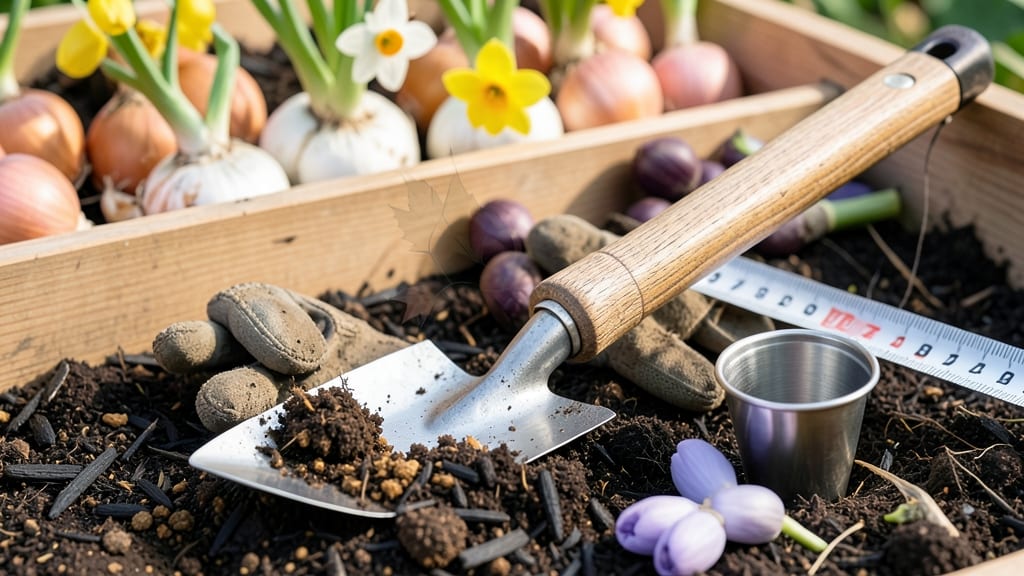
Planting bulbs at the wrong time in Zone 7b can mean the difference between a showstopping spring garden and a sad, frost-killed disappointment. The key is understanding that timing isn't just about the calendar—it's about soil temperature, frost dates, and how your local microclimate behaves.
I've learned the hard way that bulbs like tulips and daffodils need to root before winter sets in, but they can't handle early freezes. In Zone 7b, that means getting them in the ground 6-8 weeks before the first frost, typically between mid-October and early November.
This window ensures your 🌱 friends establish strong roots while avoiding the risks of premature freezing.
What makes this even trickier? Not all Zone 7b areas experience frost at the same time. Some spots might need bulbs planted as early as late September, while others can wait until December. We'll break down exactly how to read your local frost maps and adjust your schedule for success.
Once you master these timing secrets, you'll enjoy vibrant blooms year after year with minimal effort. Let's dive into the exact dates, soil prep tips, and post-planting care that will give your bulbs the best possible start—no guesswork required.
Optimal fall planting window for Zone 7b bulbs (with exact dates)
In Zone 7b, the 6-8 week frost-free window determines your perfect bulb planting time.
This means you’ll want to plant bulbs 6-8 weeks before the first hard frost, which typically lands in mid-October to early November for most of Zone 7b. For example, if your first frost is November 15, aim for a planting window between September 28 and October 20.
Your exact timing depends on local microclimates. Urban areas often experience frost 1-2 weeks earlier than rural zones, while southern exposures or protected garden spots may delay frost by 10-14 days. Check your USDA frost maps or use a local weather app to pinpoint your specific dates.
Soil temperature is another critical factor. Bulbs need 60°F soil to start rooting but will suffer if planted in soil above 70°F. In Zone 7b, this usually means waiting until late September or early October for most regions.
Use a soil thermometer to confirm—planting too early in warm soil can cause bulbs to sprout prematurely and rot.
Here’s a quick reference for Zone 7b bulb planting based on average frost dates:
| Bulb Type | Ideal Planting Window | Soil Temp Threshold | Notes |
|---|---|---|---|
| Tulips | Late September - Mid-October | 55-65°F | Plant early for best blooms; needs chilling. |
| Daffodils | October - Early November | 50-60°F | Tolerates slightly cooler soil; deer-resistant. |
| Hyacinths | October - Mid-November | 55-65°F | Fragrant but needs well-draining soil. |
| Crocus | September - October | 50-60°F | One of the earliest bloomers; great for early spring color. |
| Allium | October - November | 55-65°F | Drought-tolerant; unique globe-shaped blooms. |
For container-grown bulbs, you can extend your planting window slightly later—up to mid-November—since pots insulate roots better. However, avoid planting after the ground temperature drops below 40°F, as bulbs won’t establish roots in cold soil.
Pro tip: If you miss the fall window, early spring planting (February-March) is your backup. Choose hardy varieties like daffodils or alliums, which tolerate cooler soil better than tulips. Just be prepared for slightly smaller blooms if planted late.
Always plant bulbs 6 inches deep and 3 times as wide as the bulb itself. This depth ensures they survive winter frost while allowing roots to establish before the ground freezes. Mulch with 2-3 inches of straw or leaves after planting to insulate the soil and retain moisture.
🌱
5 Critical factors that determine perfect bulb planting timing in Zone 7b
Planting bulbs in Zone 7b isn’t just about picking a month—it’s about reading your microclimate, soil conditions, and bulb hardiness. I’ve planted tulips and daffodils for years here, and these 5 factors make the difference between blooms that thrive and ones that fade before spring.
First, soil temperature is your best friend. Bulbs need the ground to cool to 60°F or below before planting. Use a soil thermometer to check—this usually happens in late October for most of Zone 7b. If you plant too early, bulbs may sprout and get fried by late-fall warmth.
Next, frost dates aren’t just about the first frost—they’re about the last frost-free window. In Zone 7b, aim to plant 6-8 weeks before the ground freezes solid. That’s typically mid-October to early November, but check your local USDA frost map for tweaks—some areas freeze earlier than others.
| Factor | Zone 7b Specification | Actionable Tip |
|---|---|---|
| Soil Temperature | 60°F or below | Test with a thermometer; plant when cool |
| Frost Window | 6-8 weeks before freeze | Use USDA frost maps for exact dates |
| Bulb Hardiness | Zones 3-8 (most common) | Check labels; avoid Zone 9+ bulbs |
| Container vs. Ground | Containers freeze faster | Plant containers earlier (late Sept) |
| Moisture Levels | Well-draining, slightly moist | Avoid soggy soil; mulch after planting |
Don’t overlook bulb hardiness zones. While Zone 7b is forgiving, some tender bulbs (like cannas) won’t survive winter here. Stick to daffodils, tulips, and hyacinths, which thrive in Zones 3-8. Always check the label—it’s your shortcut to success.
If you’re planting in containers, adjust your timing. Pots freeze faster than in-ground soil, so plant them 4-6 weeks earlier (late September). I’ve seen paperwhite narcissus sprout in pots left on patios—only to freeze back when temps drop.
Move containers to a sheltered spot or bury them in the ground for extra protection.
Finally, moisture levels matter just as much as timing. Bulbs need well-draining soil but hate soggy conditions. After planting, water deeply to settle the soil, then mulch with 2-3 inches of straw or leaves.
This keeps roots moist through winter without waterlogging. Skip the mulch if your winters are bone-dry—it can dry out the soil too much.
Master these 5 factors, and your Zone 7b bulbs will reward you with bold spring blooms year after year. The key? Plan ahead, test your soil, and don’t rush—patience pays off in petals. 🌷