
Plants
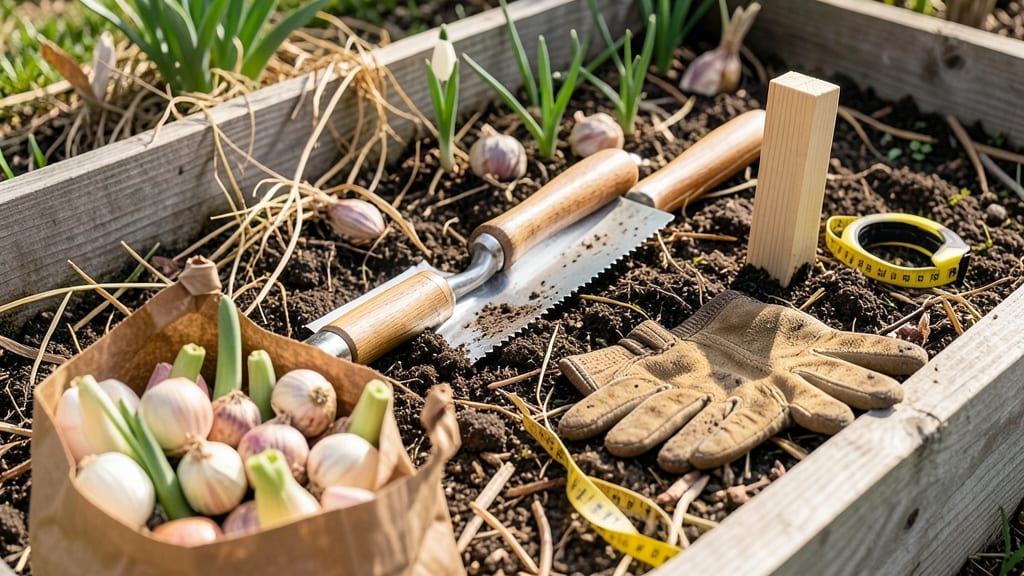
Planting Spring Flowering Bulbs 🌷 like tulips and daffodils at the wrong time in Iowa can mean the difference between a stunning spring garden and a total bust.
The key to success isn't just when you plant—it's understanding your zone's frost patterns and soil conditions to give those bulbs the best shot at survival.
Iowa's 5a-6b climate means you've got a narrow window—typically between October and November—to get bulbs in the ground before the first hard frost hits. Plant too early, and they'll rot; too late, and they won't have enough time to root before winter sets in.
Let me break down the exact timing and tricks to make sure your bulbs thrive.
What if you're unsure whether your yard is urban or rural? Or maybe you've struggled with soggy soil or deer munching on your blooms? I've got you covered with zone-specific adjustments and pro tips to avoid common mistakes that kill bulbs every year. Ready to transform your garden next spring?
From soil prep to frost dates, this guide will walk you through everything you need to know—so you can plant with confidence and enjoy those vibrant blooms come April. Let's get started!
Iowa bulb planting calendar: month-by-month schedule by hardiness Zone
Iowa’s USDA zones 4–6 demand precision when planting bulbs—miss the window, and you’ll either get rot or frost damage. The key is timing bulbs 4–6 weeks before the ground freezes, typically between mid-September and November.
In Zone 4 (north Iowa), aim for late September to early October, while Zone 5–6 (south Iowa) can extend until mid-November.
Soil temperature matters just as much as calendar dates. Bulbs need 60°F soil to root but will rot if planted in warm, soggy ground.
Test soil with a thermometer or use the "finger test": push a finger into the soil—if it’s cool but workable, it’s time to plant. Mid-October is the sweet spot for most of Iowa.
Here’s your month-by-month breakdown, including depth, spacing, and frost-free targets for tulips, daffodils, hyacinths, and alliums. Use this as your Iowa-specific planting guide to avoid common mistakes.
| Bulb Type | Ideal Planting Month | Depth (inches) | Spacing (inches) | Soil Temp Threshold | Frost-Free Depth |
|---|---|---|---|---|---|
| Tulips (early varieties) | Late September | 6–8 | 4–6 | 60°F | 8+ inches |
| Daffodils (Narcissus) | October | 6–8 | 6–8 | 55°F | 10+ inches |
| Hyacinths | October–Early November | 6–8 | 4–6 | 50°F | 8+ inches |
| Alliums (e.g., Purple Star) | November (Zone 5–6) | 8–10 | 6–8 | 45°F | 10+ inches |
| Crocuses (early bloomers) | September–October | 3–4 | 3–4 | 65°F | 6+ inches |
Notice how daffodils and alliums have wider frost-free depth requirements? That’s because they’re hardier and need deeper planting to survive Iowa’s deep freezes. For Zone 4, prioritize daffodils and crocuses—they’re the most frost-resistant options.
If you’re in urban Iowa (e.g., Des Moines), soil may stay warmer longer due to heat islands. Plant 2–3 weeks earlier than rural areas to avoid late-season rot. Conversely, northern Iowa (Zone 4) should delay until <
Top 5 bulbs that thrive in Iowa’s harsh winters (and how to plant them)
Iowa’s winters are no joke, but some bulbs are tougher than others—daffodils, crocuses, and alliums top the list for surviving (and thriving!) in zones 4–5. These cold-hardy varieties not only endure freezing temperatures but also push through snow to greet you with early spring color when most gardens are still dormant. The key? Planting them deep enough and in well-draining soil to prevent rot during Iowa’s wet springs. Here’s my ranked list of the best bulbs for Iowa, along with their planting depth, spacing, and soil prep secrets to ensure they bloom year after year. I’ve also included a frost resistance rating so you can pick the toughest performers for your garden.🌱 Frost Resistance Ratings (1-10)
*Ratings based on survival in Iowa’s zones 4–5 with proper planting.
One critical mistake I see in Iowa gardens? Planting tulips too shallow. Their tops often freeze back in harsh winters, but the bulbs themselves survive if planted 8 inches deep.
For alliums, which add dramatic purple spheres to spring gardens, aim for 6–8 inches deep and 8–12 inches apart—they’re drought-tolerant once established, making them low-maintenance stars.
Pro tip: If you’re in zone 4a (northern Iowa), add a 2–3 inch layer of mulch after planting to insulate bulbs from extreme cold. And watch for squirrels—they love digging up tulips and hyacinths! A chicken wire cage over newly planted bulbs can save your investment until the ground freezes solid.
For late bloomers like fritillaria, plant them 6–8 inches deep in well-draining soil and full sun. They’re less cold-hardy but reward you with unique bell-shaped flowers in early spring. Just be patient—they take 2–3 years to establish and bloom reliably.
Finally, fertilize in early spring (not fall) with a balanced 10-10-10 mix to encourage strong foliage growth. This ensures your bulbs store enough energy for next year’s blooms. Skip fall fertilization—it can attract rodents and promote weak growth before winter.