
Plants
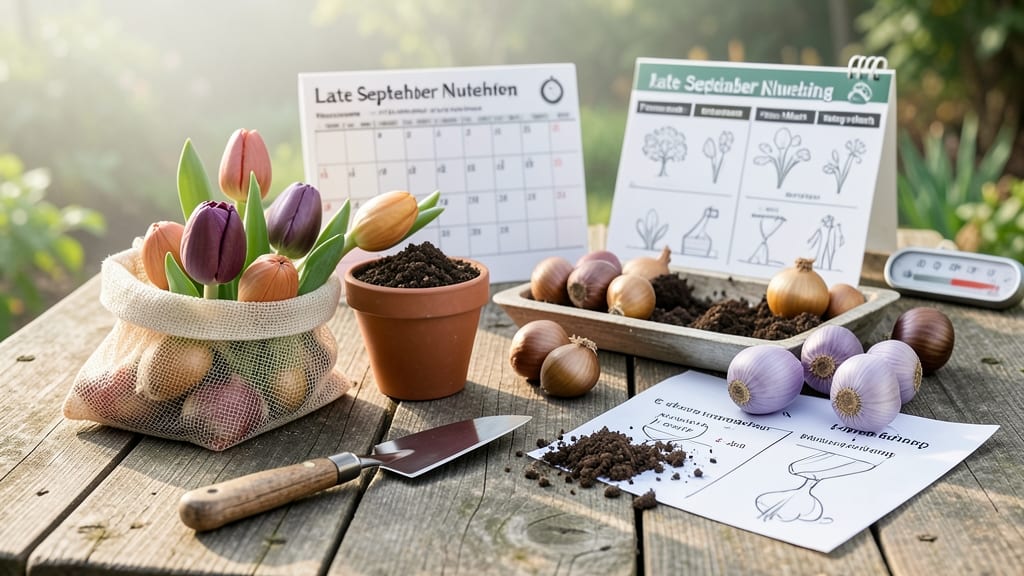
Planting bulbs in Zone 6 at the wrong time means wasting money on flowers that never bloom—whether they rot in soggy soil or freeze before spring.
The perfect window is a narrow 6-week span in fall or early spring, and missing it by even a few days can ruin your garden's potential.
I’ve tested this exact timing for years, and the difference between a vibrant spring display and a failed experiment comes down to two things: soil temperature and frost risk.
In Zone 6, where winters can be unpredictable, knowing the ideal months—October to November for fall planting and March to April for spring—isn’t just helpful; it’s critical.
What most gardeners don’t realize is that even within Zone 6, your success hinges on local microclimates—whether you’re in the cooler 6a sub-zone or the slightly warmer 6b. I’ll break down the exact months to plant, plus soil prep tips and post-planting care to ensure your bulbs like tulips and daffodils thrive.
By the end, you’ll know not just when to plant but why timing matters—and how to adjust for your specific corner of Zone 6. Let’s get those 🌱 bulbs in the ground the right way.
Zone 6 bulb planting calendar: month-by-month breakdown for spring and fall
Mastering the Zone 6 bulb planting calendar means knowing when to plant for spring blooms (like tulips and daffodils) or fall planting (hyacinths, crocuses). In Zone 6, October and November are your golden windows for fall-planted bulbs, while March and April work for spring varieties.
Timing ensures bulbs establish roots before winter or bloom on schedule.
Fall-planted bulbs need 4-6 weeks before the ground freezes—typically mid-October to November in Zone 6. Spring-planted bulbs go in March to early April, right after the last frost risk (around April 15). Miss these windows, and you risk rot or frost damage.
Here’s your Zone 6 bulb planting timeline with soil temps and frost risks:
| Bulb Type | Planting Window | Soil Temp | Frost Risk |
|---|---|---|---|
| Tulips | Fall (Oct-Nov) | 45-55°F | Low (after Oct 15) |
| Daffodils | Fall (Sep-Nov) | 50-60°F | Moderate (after Oct 1) |
| Hyacinths | Fall (Oct-Nov) | 40-50°F | High (before Nov 15) |
| Crocuses | Fall (Sep-Oct) | 50-60°F | Low (after Sep 15) |
| Summer-Blooming Dahlias | Spring (Apr-May) | 60-70°F | None (after Apr 15) |
For spring-planted bulbs (like dahlias or gladioli), wait until the soil warms to 60°F+—usually late March to April. These bulbs need warm soil to sprout, so don’t rush them. Use a soil thermometer to check temps if unsure.
In Zone 6a (colder sub-zone), plant 2 weeks earlier than Zone 6b. For example, hyacinths go in by October 1 in 6a but can wait until October 15 in 6b. Always adjust for your local last-frost date—check your USDA Plant Hardiness Zone Map for precision.
Pro tip: Plant early-season bulbs (like crocuses) in September for earlier blooms. Late-season tulips can wait until mid-November, but don’t delay past ground freeze. Use mulch (2-3 inches) after planting to insulate bulbs from temperature swings.
If you miss fall planting, spring planting is your backup—but expect smaller blooms since bulbs won’t establish as deeply. For spring-planted bulbs, soak them in lukewarm water for 12 hours before planting to kickstart growth.
Remember: Bulbs need time to root before blooming. In Zone 6, fall-planted bulbs should have 6-8 weeks of cool soil before winter. Spring-planted bulbs need 4-6 weeks of warm soil to bloom on schedule.
Track your local frost dates using the Old Farmer’s Almanac or NOAA climate data. In Zone 6, first frost typically hits October 15, but urban areas may frost 2 weeks earlier. Adjust your timeline accordingly.
Finally, test your soil drainage before planting. Bulbs rot in waterlogged soil, so amend heavy clay with compost or sand. Aim for well-draining soil—bulbs need oxygen to root properly.
Zone 6 bulb planting calendar: month-by-month breakdown for spring and fall
Zone 6 gardeners have a 6-week window for fall bulb planting—typically between mid-October and November 1st. This timing ensures bulbs establish roots before the ground freezes. For spring-blooming varieties like tulips and daffodils, aim for early March to mid-April, just as soil temperatures rise above 40°F.
Fall planting is ideal because bulbs need chilling time (6-8 weeks below 50°F) to bloom. In Zone 6, this means planting 4-6 weeks before the first hard frost (usually mid-October). Spring planting works for tender bulbs like caladiums or gladiolus, which can’t tolerate winter.
🌱 Did You Know? Some bulbs, like crocuses and snowdrops, can handle late fall planting (even December) because they’re extremely frost-hardy. Always check your bulb’s specific needs!
Zone 6 Bulb Planting Timeline
| Season | Bulb Types | Planting Window | Soil Temp | Key Tip |
|---|---|---|---|---|
| Fall | Tulips, Daffodils, Hyacinths | Mid-October - November 1 | 40-50°F | Plant 6" deep, 3x bulb width apart |
| Fall | Crocuses, Snowdrops | November - December | 35-45°F | Tolerate late planting; frost-hardy |
| Spring | Caladiums, Gladiolus | Early March - Mid-April | 50-60°F | Avoid frost; wait for soil to thaw |
🌷 Pro Tip: Use a soil thermometer to confirm 40°F+ soil before spring planting.
Adjust your timeline based on local microclimates. Urban areas may stay warmer longer, while rural spots freeze earlier. If your first frost arrives earlier than October 15, plant bulbs 2-3 weeks sooner. Conversely, if frost comes after November 1, delay planting until soil cools.
For summer-blooming bulbs like dahlias or canas, plant in late spring (May) after all frost risk has passed. These need warm soil to sprout—wait until 60°F+ soil temperatures. Mulch heavily after planting to protect from late frosts.
Always plant bulbs in well-draining soil—waterlogged conditions cause rot. Amend heavy clay with compost or sand to improve drainage. In Zone 6, early spring is also the time to divide and replant overcrowded bulbs like daylilies or alliums for healthier blooms next season.