
Plants
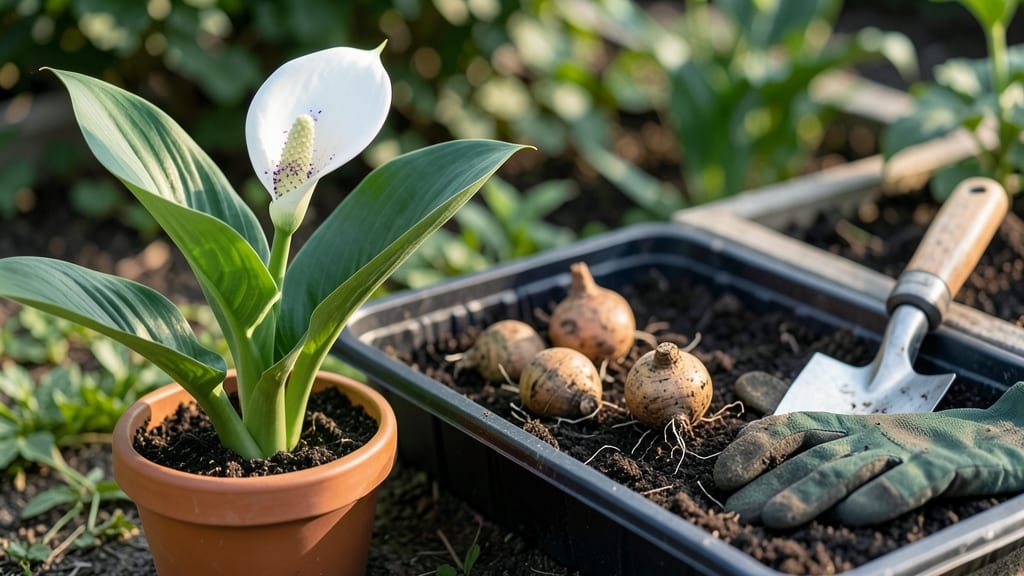
Planting your Calla Lily 🌸 bulbs at the wrong time in Zone 6 can mean the difference between stunning summer blooms and wasted effort. The key to success lies in waiting until after the last frost—typically around mid-April—when soil temperatures hit at least 60°F.
Why does timing matter so much? Calla lilies are tender perennials in Zone 6, meaning they’ll die back in cold winters but need a strong start to survive. Planting too early risks frost damage, while waiting too long might delay those show-stopping mid-to-late summer blooms.
I’ll break down the exact window—late spring to early summer—and share my foolproof method for preparing soil and protecting your bulbs from late frosts. No more guesswork, just lush, zero-frost success every season.
Ready to transform your garden? Let’s dive into the step-by-step timing and care tips that’ll have your calla lilies thriving by summer.
Best planting windows for calla lily bulbs in Zone 6 (with frost-proofing tips)
In Zone 6, timing your calla lily bulb planting is everything—especially since late frosts can strike well into May. The sweet spot for planting is after your last frost date (typically mid-April) but only when soil temperatures hit 55-60°F.
This balance ensures your bulbs sprout without risking frost damage, giving you 165 frost-free days to enjoy those dramatic calla lily blooms.
Many gardeners in Zone 6 make the mistake of planting too early, only to watch their tender shoots blacken overnight. Others wait too long, missing the 90-120 day growing window needed for full blooms.
Let’s break down the optimal planting windows and how to protect your investment if Mother Nature throws a curveball.
| Planting Window | Soil Temp | Frost Risk | Bloom Potential | Frost-Proofing Tip |
|---|---|---|---|---|
| Early Spring (March) | Below 55°F | Very High | Low (bulbs may rot) | Avoid—wait for warmer soil |
| Late Spring (April-May) | 55-60°F | Moderate (late frosts possible) | High (ideal timing) | Use row covers if frost warning |
| Early Summer (June) | Above 60°F | None | Medium (shorter bloom season) | Best for container planting |
For Zone 6 gardeners, the April-May window is your goldilocks zone—warm enough for roots to establish but still plenty of time for blooms before fall. If you’re in a microclimate (like near a heat-retaining wall), you might push planting to early April.
But if your yard stays chilly, wait until late May to avoid frost surprises.
Pro tip: Use a soil thermometer to confirm temps before planting. Calla lilies are tender perennials in Zone 6, meaning they’ll die back in winter—so treat them like annuals unless you’re willing to dig and store bulbs. Most gardeners replant fresh bulbs each spring for zero-frost success.
Another trick? Plant bulbs in containers if your spring is notoriously frosty. This lets you move them to a garage or porch at night and bring them outside during the day. Just ensure containers have drainage holes to prevent root rot from soggy soil.
If you’re unsure about your local frost dates, check the USDA Plant Hardiness Zone Map or ask your local cooperative extension service. They’ll provide hyper-local advice tailored to your specific Zone 6 microclimate. For example, areas near large bodies of water may have later frosts than inland spots.
Once you’ve nailed the timing, focus on soil prep. Calla lilies thrive in rich, moist, well-draining soil with a pH of 6.0-7.0. Amend heavy clay soil with compost or peat moss to improve drainage, and avoid planting in areas where water pools after rain.
A 2-3 inch layer of mulch will also help retain moisture and regulate soil temperature.
Remember, calla lilies are not frost-tolerant, so even a light freeze can damage new growth. If you’re planting in late April or early May, keep a frost cloth handy.
Lay it over plants at night and remove it during the day to let sunlight through. This simple step can save your calla lily blooms from turning into frost-bitten mush.
Finally, if you’re growing calla lilies in containers, choose pots that are at least 12 inches deep to accommodate their thick rhizomes. Place containers in a spot that gets morning sun and afternoon shade, as direct afternoon sun can scorch the leaves.
Water consistently—calla lilies hate dry soil—but avoid overwatering, which can lead to root rot.
How to time calla lily planting for zero-frost success: a step-by-step guide
Timing is everything when planting calla lily bulbs in Zone 6. Unlike tropical plants, these beauties need a little patience—planting too early risks frost damage, while waiting too long can delay your stunning summer blooms.
My secret? Focus on soil temperature (aim for 55-60°F) and local frost dates. In most of Zone 6, that means waiting until late April to early May after the last frost.
Start by checking your local frost dates—use the National Weather Service or a frost calendar for your area. In Zone 6, the average last frost date is around April 15, but microclimates (like urban heat islands) can shift this by a week or more.
I always add 2-3 weeks of buffer time to account for surprises. Pro tip: Plant test bulbs a week early in a pot to monitor sprouting before committing to your garden.
🌱 Step-by-Step Planting Timeline for Zone 6
- 📅 4-6 Weeks Before Planting: Order bulbs (ensure they’re dormant and firm).
- 🌡️ 2 Weeks Before: Test soil temperature with a soil thermometer—wait until it hits 55°F+.
- 🌱 Planting Day: Soak bulbs in lukewarm water for 1 hour to kickstart growth.
- 🔨 Planting: Dig holes 4 inches deep, space bulbs 6 inches apart, and cover with mulch.
- 💧 Post-Planting: Water deeply to settle soil, then keep consistently moist (not soggy).
Preparing your soil is just as critical as timing. Calla lilies thrive in rich, well-draining soil with a slightly acidic pH (6.0-7.0). Before planting, amend your soil with compost or peat moss to improve drainage.
I also add a handful of bone meal (for phosphorus) to encourage strong root growth. Avoid heavy clay soils—amend with sand or perlite if needed.
One common mistake I see is planting bulbs too shallowly. Calla lilies need 4 inches of soil coverage to protect their delicate roots from temperature swings. If you’re in a cooler microclimate (like a shaded spot), plant 1 inch deeper for extra insulation.
Always plant with the pointy end up—this ensures proper sprouting. After planting, apply a 2-inch layer of mulch (straw or shredded leaves work well) to retain moisture and regulate soil temperature.
Adjusting for urban heat islands or elevated gardens can save your bulbs from early stress. If your garden is in a hotter microclimate, plant bulbs 2 weeks earlier to take advantage of warmer soil.
Conversely, in shady or low-lying areas, delay planting by 1-2 weeks to avoid cold soil. I once lost a batch of calla lilies in Zone 6 because I planted them in a north-facing bed—the soil stayed cold for weeks, and the bulbs rotted. Lesson learned!
Finally, monitor your plants closely after planting. Look for sprouts emerging in 4-6 weeks. If frost threatens after planting (yes, it happens!), cover plants with a lightweight row cover or frost blanket. Never use plastic—it traps moisture and can cause rot.
Water in the morning only to prevent fungal diseases like leaf spot, which thrives in damp conditions. With these steps, your calla lilies will reward you with bold, drama-filled blooms all summer long.