
Plants
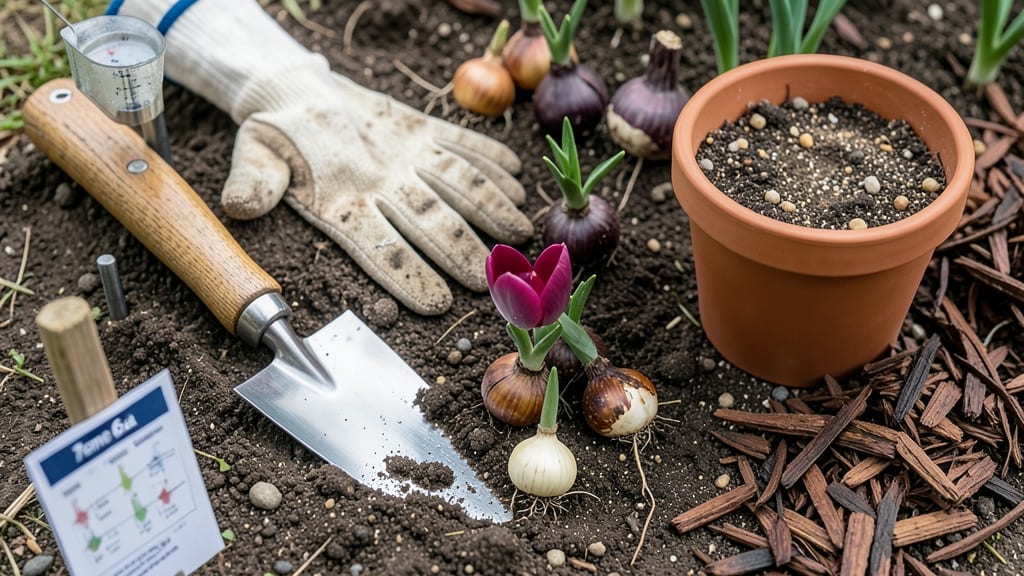
Planting your 🌷 Spring Flowering Bulbs at the right time in Zone 6a could be the difference between a showstopping spring garden and a sad, wasted investment.
Too early, and your bulbs might sprout before winter sets in; too late, and they won’t have enough time to establish strong roots before the ground freezes.
If you’ve ever wondered why some gardeners get perfect blooms while others struggle, the answer often comes down to timing. In Zone 6a, the ideal window is narrow but critical—typically between October and November, when soil temperatures drop but frost hasn’t yet arrived.
This gives your bulbs just enough time to root deeply before winter dormancy kicks in.
I’ll walk you through the exact months to plant, how to adjust for microclimates in your area, and the simple soil prep tricks that make all the difference.
Whether you’re a beginner or a seasoned gardener, these insights will help you avoid common mistakes and set your bulbs up for success.
Ready to transform your garden next spring? Let’s dive into the precise steps that will have your 🌷 Spring Flowering Bulbs thriving—no guesswork required.
Best months to plant spring-flowering bulbs in Zone 6A (with exact dates)
In Zone 6A, the key to successful bulb planting is timing—specifically, getting those bulbs into the ground 6-8 weeks before the first hard frost. For most of Zone 6A, this means aiming for mid-October to early November.
This window allows bulbs like tulips, daffodils, and hyacinths to establish strong roots before winter dormancy, ensuring vibrant spring blooms. Planting too early risks premature sprouting, while waiting too long can leave bulbs vulnerable to frost damage.
Your exact planting date depends on your last average frost date. In Zone 6A, this typically falls around November 15. Count backward: if your frost date is November 15, aim to plant by October 1-15.
For example, tulips planted in early October will have ample time to root, while those planted after November 1 may struggle to establish before the ground freezes.
Soil temperature is another critical factor. Bulbs need 60°F soil or cooler to trigger root growth. In Zone 6A, soil temperatures drop below this threshold by mid-October.
Use a soil thermometer to confirm—if temperatures are still above 60°F, you can plant a bit later, but don’t delay too long. Daffodils and alliums are more forgiving and can handle slightly later planting than tulips.
| Bulb Type | Ideal Planting Window | Soil Temp Threshold | Notes |
|---|---|---|---|
| Tulips | October 1-15 | Below 60°F | Plant early; sensitive to frost |
| Daffodils | October 15-November 1 | Below 55°F | More frost-tolerant; can handle later planting |
| Hyacinths | October 1-15 | Below 60°F | Clump-forming; plant deeper (6-8 inches) |
| Crocuses | September 15-October 15 | Below 50°F | Early bloomers; plant shallow (2-3 inches) |
| Alliums | October 15-November 10 | Below 55°F | Drought-tolerant; great for pollinators |
If you miss the ideal window, don’t panic—you can still plant in early December, but success rates drop significantly. Bulbs planted this late may not have enough time to root before the ground freezes solid.
For example, tulips planted in December in Zone 6A often produce weaker blooms or fail to sprout entirely. If you’re late, consider container planting in a protected microclimate (like near a south-facing wall) to extend the growing season slightly.
Local microclimates can shift your planting window by 1-2 weeks. Areas with urban heat islands (like cities) may stay warmer longer, while rural or elevated areas cool down faster. Check your specific last frost date using the USDA Plant Hardiness Zone Map or local gardening resources.
For instance, if you’re in western Zone 6A (like parts of Colorado), you might plant as late as November 10, while eastern Zone 6A (like Pennsylvania) may need to plant by October 25.
Pro tip: Use mulch (2-3 inches of straw or shredded leaves) after planting to insulate bulbs and protect them from extreme temperature swings. This extra layer can buy you 1-2 extra weeks of root growth before winter sets in.
Just avoid piling mulch directly against bulb stems, as this can cause rot. Instead, create a 2-inch gap around the planting area to allow airflow.
For container-grown bulbs, timing is even more critical. Since pots freeze faster than in-ground soil, plant
How to adjust planting times for fall vs. spring bulbs in Zone 6A
Zone 6A gardeners often confuse fall-planted bulbs (like tulips) with spring-planted bulbs (like lilies). The timing difference isn’t just about seasons—it’s about survival. Fall bulbs need 6-8 weeks of root growth before frost, while spring bulbs must wait until soil warms to avoid rot.
For spring-flowering bulbs (daffodils, crocuses), plant in October or early November. These bulbs store energy over winter and bloom early spring. Planting too late risks frost damage before roots establish.
For summer-flowering bulbs (lilies, dahlias), wait until after the last frost—typically April or May in Zone 6A. These bulbs need warmer soil (60°F+) to sprout. Planting them in fall risks premature sprouting and death.
Fall-Planted vs. Spring-Planted Bulbs
Fall-Planted Bulbs
- ✅ Pros: Blooms early spring
- ✅ Pros: Established roots survive winter
- ❌ Cons: Must plant before frost
- ❌ Cons: Late planting = poor blooms
Spring-Planted Bulbs
- ✅ Pros: No frost risk
- ✅ Pros: Blooms later in season
- ❌ Cons: Needs warm soil to sprout
- ❌ Cons: Slower to establish
🌱 Key Tip: Use mulch (3-4 inches) after planting fall bulbs to insulate roots.
Microclimates in Zone 6A can shift planting windows by 2-3 weeks. For example, south-facing slopes warm faster—plant spring bulbs 2 weeks earlier there. Conversely, low-lying areas stay cold longer; delay spring planting by 1-2 weeks.
If you miss the fall window, potted bulbs (like tulips) can be planted in early spring (March) for delayed blooms. Just ensure pots have drainage holes to prevent rot. For in-ground spring bulbs, wait until soil reaches 60°F—use a soil thermometer to check.
Pro tip: Mark your calendar for November 15 (average last frost in Zone 6A). Plant fall bulbs 6 weeks before this date. For spring bulbs, aim for April 15—but adjust based on your microclimate. A little flexibility here saves your bulbs from frost or heat stress!