
Plants
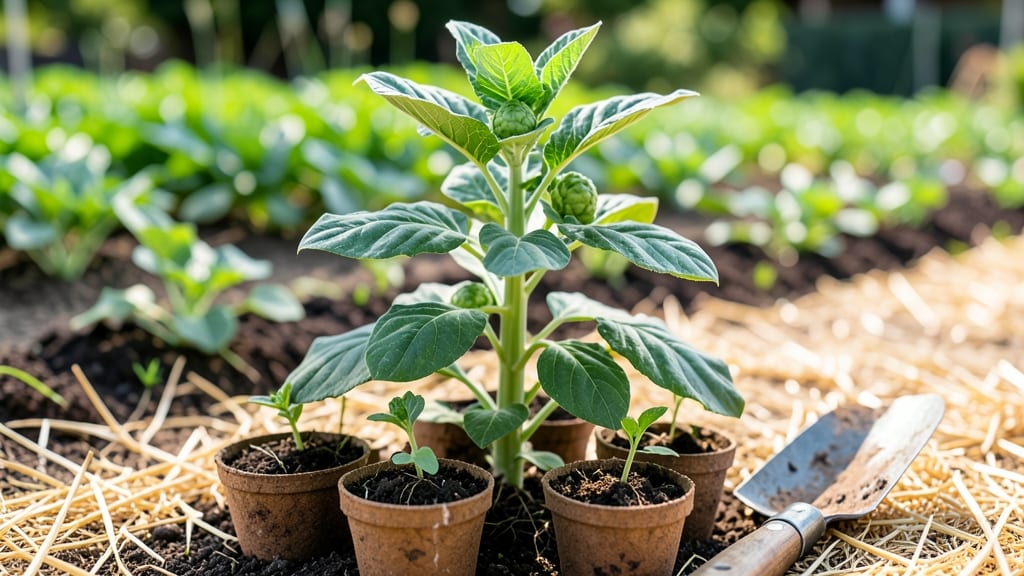
Planting Brussel sprouts 🥦 in Wisconsin isn’t just about tossing seeds into the dirt—it’s a game of timing against frost, heat, and the plant’s need for chill hours to sweeten those little green gems.
Get it wrong, and you’ll either watch your sprouts bolt in summer heat or freeze before they’re ready for harvest. The secret? Knowing when to start seeds indoors or plant directly so they mature just as Wisconsin’s first frost rolls in.
Most gardeners here swear by two planting windows: spring (mid-April to early June) or fall (late July to early August). But here’s the catch—your USDA zone (5a-6b) and last frost date (usually mid-May) dictate whether you’ll pull off a fall harvest or need to protect your plants with row covers.
I’ll break down exactly when to plant for zero-frost success, plus how to stretch your growing season if Mother Nature throws a curveball.
Why does this matter? Because Brussel sprouts are finicky—they need 800–1,000 chill hours to develop their signature flavor, and Wisconsin’s climate can make or break that window.
Whether you’re a first-time gardener or a veteran with a green thumb, these tips will help you avoid the most common mistakes (like planting too late for a fall crop) and maximize your harvest from October to December.
Ready to dive in? I’ll walk you through the exact planting dates for your zone, how to prep your soil, and even which varieties thrive best in Wisconsin’s unpredictable weather.
No more guessing—just a foolproof plan to grow homegrown Brussels sprouts that’ll make your dinner table the envy of the neighborhood.
Wisconsin’s ideal planting windows for brussel sprouts by chill-hour zones
Wisconsin’s USDA zones 3–5 create unique challenges for growing brussel sprouts. These cool-loving crops need 800–1,000 chill hours to develop sweet, flavorful sprouts. In northern Wisconsin (zone 3), aim for 1,000+ chill hours, while southern zones (4–5) thrive with 800–900 hours.
The key? Planting at the right time to avoid early frost damage or immature harvests.
Most Wisconsin gardeners succeed with two planting windows: spring (mid-April to early June) and fall (late July to early August). Spring plantings need 90–120 days to mature before Wisconsin’s first frost (mid-October).
Fall plantings, however, rely on cold hardening—a process where sprouts sweeten in frost—so they can be harvested through December.
Here’s the critical rule: Plant brussel sprouts 8–10 weeks before your average first frost date. In Madison (zone 5), that’s early August for fall plantings.
In Green Bay (zone 4), shift to mid-July. Use your last frost date (typically mid-May) to calculate backward—this ensures mature plants before winter sets in.
Pro Tip: Start seeds indoors 4–6 weeks before your outdoor planting window. Brussel sprouts are slow starters, and seedlings give you a head start on Wisconsin’s short growing season. Harden off seedlings for 7–10 days before transplanting to 18–24 inches apart in well-draining soil.
| USDA Zone | Chill Hours Needed | Spring Planting Window | Fall Planting Window | First Frost Date |
|---|---|---|---|---|
| Zone 3 (Northern WI) | 1,000+ hours | Mid-April to May 15 | Late July to August 1 | Mid-October |
| Zone 4 (Central WI) | 900–1,000 hours | Late April to June 1 | July 20 to August 10 | Late October |
| Zone 5 (Southern WI) | 800–900 hours | Early May to June 15 | August 1 to August 20 | Early November |
🌱 Chill-Hour Matching for Zero-Frost Success
Wisconsin’s unpredictable late frosts can derail even the best-laid plans. To hedge your bets, plant a succession of seeds every 2 weeks in your fall window. This staggered approach ensures a continuous harvest from October through December, even if an early frost hits.
For example, in Milwaukee (zone 5), plant half your seeds on July 25 and the rest August 10.
Soil temperature is another critical factor. Brussel sprouts won’t germinate well in cold soil (<50°F). Use a soil thermometer to confirm temps are 55–65°F before direct sowing. In northern Wisconsin, wait until late May for spring plantings to avoid soil-borne diseases that thrive in cool, wet conditions.
Don’t overlook microclimates in your Wisconsin garden. South-facing beds warm up 2–3 weeks earlier than north-facing spots. If you’re in zone 4 or 5, use these warmer pockets for early spring plantings. Conversely, low-lying areas hold frost longer—avoid them for fall plantings unless you use row covers.
For maximum chill-hour efficiency, pair brussel sprouts with companion plants like bush beans or radishes. These crops mature quickly, freeing up space for your sprouts to bolster their chill-hour count without competition. Just avoid planting near tomatoes or potatoes, which can stunt growth.
Finally, track your local frost dates using resources like the Wisconsin State Climatology Office. Their 30-year averages help you fine-tune planting windows year after year. Pro gardeners in zone 3 often plant 2 weeks later than zone 5 to avoid early spring frost.
How to extend the growing season in Wisconsin for brussel sprouts
Wisconsin’s unpredictable frost dates can make growing brussel sprouts tricky, but with the right techniques, you can push harvests later into fall or start earlier in spring. The key is protecting young plants from late frosts while maximizing the growing window before first frost in mid-October.
Here’s how to beat Wisconsin’s climate challenges and get those chill-loving sprouts to maturity.
For spring planting, use row covers or cold frames to shield seedlings from late frosts after transplanting. These simple tools can add 2–4°F of warmth, giving your plants a fighting chance if temperatures dip unexpectedly.
I’ve had great success with floating row covers (like Agribon) over my brussel sprout beds in late April, even when nighttime temps hover around 30°F.
Fall planting is where season extension really shines. By sowing seeds in late July to early August, you’ll have plants ready to harvest just as Wisconsin’s first frost arrives—actually enhancing flavor! Use black plastic mulch to warm soil early in the season and straw mulch later to insulate roots. This two-step approach can shave 10–14 days off your growing timeline.
For succession planting, stagger sowings every 2–3 weeks in both spring and fall. This ensures a continuous harvest and reduces the risk of losing your entire crop to a single frost event.
In my Zone 5b garden, I’ve planted three batches in August alone—each maturing at different rates to spread out the harvest through November.
Don’t forget soil warming hacks! Clear snow from garden beds in early spring and cover them with clear plastic for 1–2 weeks before planting. This can raise soil temps by 5–10°F, giving seedlings a head start.
I’ve seen brussel sprout seedlings emerge 10 days earlier using this trick compared to unwarmed beds.
Pro tip: Harvest before hard frost (below 20°F) by picking sprouts from the bottom up. The remaining plant will keep producing as long as temps stay above freezing. In Wisconsin’s climate, this means your last harvest might come just 2–3 weeks before Christmas—perfect for holiday meals!