
Plants
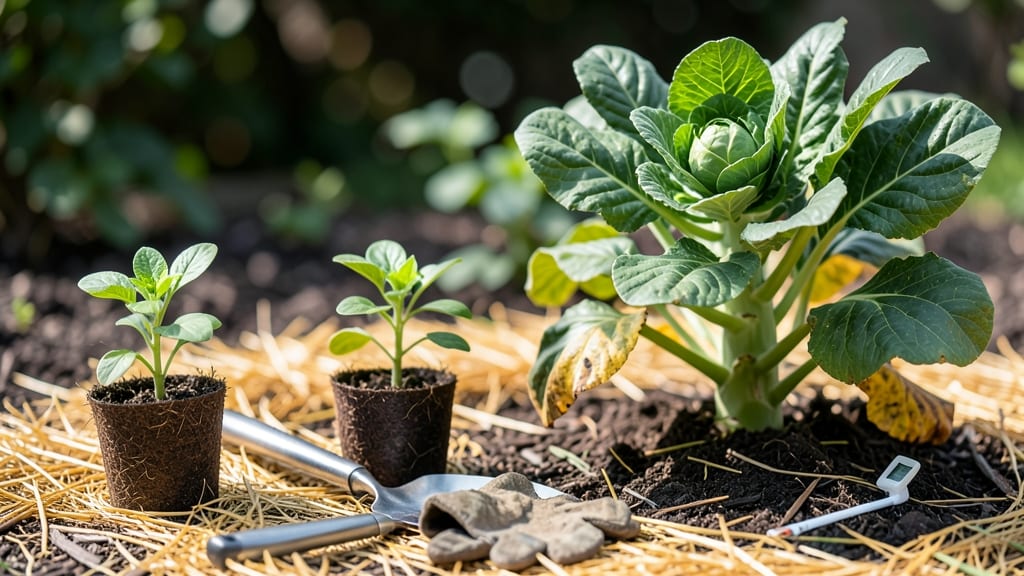
Planting Brussel sprouts 🥦 at the wrong time in Southern California can turn your garden into a bitter disappointment—tough, woody sprouts or a total flop. Unlike other veggies, these cold-loving plants need precise timing to thrive in our 9b-11 climate, where summer heat and coastal breezes create unique challenges.
Most gardeners assume you can plant anytime, but the key is avoiding late-summer heat stress while ensuring a harvest before winter rains. I’ve learned the hard way that August–September is the sweet spot for fall harvests, but coastal areas can stretch it later.
Let’s break down the exact windows—and why your location matters more than you think.
You’ll also discover how to pick the right varieties for your zone, whether you’re in frost-prone inland valleys or mild coastal 10a-11 areas. Plus, I’ll share my top tricks for beating Southern California’s drought conditions while keeping your sprouts sweet and tender.
Ready to grow homegrown Brussels sprouts 🥦 that taste better than store-bought? Grab your gloves—we’re diving into the perfect planting schedule, soil secrets, and harvest hacks tailored just for your backyard.
Best planting windows for Brussel sprouts in Southern California’s climate zones
Southern California’s diverse microclimates—from coastal chill to inland heat—create a puzzle for Brussel sprout growers. Unlike frost-prone regions, most of SoCal stays frost-free year-round, but rare cold snaps in inland valleys (like December 15) can still damage tender sprouts.
The key? Planting 8–10 weeks before your local first frost date (or in August–September for zero-frost harvests) to ensure sweet, tender sprouts by winter.
Coastal areas (e.g., Malibu, Santa Barbara) enjoy milder winters and can plant through October, while inland valleys (e.g., San Fernando, Coachella) must rush to late summer to avoid even light frosts.
Desert zones (Palm Springs, Joshua Tree) can stretch planting into early fall thanks to their high elevations and cooler nights.
Here’s your microclimate-specific planting guide, including soil temperature thresholds and frost-free date calculations to avoid bitter, tough harvests:
For coastal gardeners, you can even plant a second crop in February for a spring harvest (April–May), but avoid summer planting—the heat stresses young plants. Inland growers should prioritize fall planting and use row covers if temps dip below 40°F.
Pro tip: Test your soil temperature with a soil thermometer before planting. Brussel sprouts need soil between 55–70°F to germinate. If your soil runs hotter (common in July–August inland), wait until evening temps drop below 85°F or use shade cloth to protect seedlings.
Soil pH matters too—aim for 6.0–7.0. Southern California’s native soils often lean alkaline, so amend with compost or peat moss if your test results show pH above 7.5. A well-draining, fertile bed with 2–3 inches of compost is non-negotiable for sweet, tender sprouts.
One common misstep? Planting too early in coastal areas and letting sprouts mature in summer heat. This causes bitter, woody sprouts.
Stick to the fall window for the best flavor, and choose early-maturing varieties like ‘Long Island Improved’ (85 days) or ‘Jade Cross’ (90 days) to finish before winter chills set in.
For container growers, plant in large pots (12+ inches deep) and use a lightweight potting mix. Containers dry out faster, so monitor soil moisture daily in <
Best planting windows for Brussel sprouts in Southern California’s climate zones
Southern California’s diverse microclimates mean your Brussels sprout 🥦 planting window depends on whether you’re in coastal Malibu, inland Riverside, or the desert Coachella Valley.
Unlike other veggies, Brussels sprouts need cool nights (50–60°F) to sweeten properly, so timing is critical. I’ve grown them in all three zones—here’s what works (and what doesn’t).
The ideal planting window for most of Southern California is late August through early September, giving you a fall harvest before winter rains. However, coastal areas can push this to mid-October thanks to milder temperatures, while inland valleys should plant by mid-August to avoid heat stress.
Desert zones? Skip fall planting entirely—it’s too hot.
| Zone | Planting Window | Harvest Window | Key Challenge |
|---|---|---|---|
| Coastal (e.g., LA, Santa Barbara) | Mid-August–Mid-October | November–January | Fog delays maturity |
| Inland (e.g., San Bernardino, Riverside) | Late July–Early August | October–December | Heat stress if planted late |
| Desert (e.g., Palm Springs, Coachella) | February–March (spring only) | April–May | No fall planting possible |
For spring harvests, plant in February–March—but only in coastal or desert zones. Inland areas rarely get cold enough for successful spring growth. Pro tip: Use row covers in late fall to protect plants from rare December frosts in inland valleys like Victorville or Apple Valley.
Soil temperature is your secret weapon. Brussels sprouts need soil at 55–65°F to germinate. Test your soil with a soil thermometer—if it’s above 70°F, wait 2–3 weeks or use shade cloth. I once planted in 90°F soil in July and got 0% germination. Lesson learned!
Choose early-maturing varieties like ‘Long Island Improved’ (85 days) for inland zones or ‘Ruby Ball’ (90 days) for coastal areas. Dwarf varieties like ‘Corona’ (75 days) work well in containers and avoid wind damage in coastal gardens.
Always check the back of seed packets—they list days to maturity, which is your planting deadline calculator.
Ready to plant? Mark your calendar for August 15th (coastal) or August 1st (inland) and prep your soil with compost and aged manure. Your sweet, homegrown Brussels sprouts 🥦 are just 90 days away!