
Plants
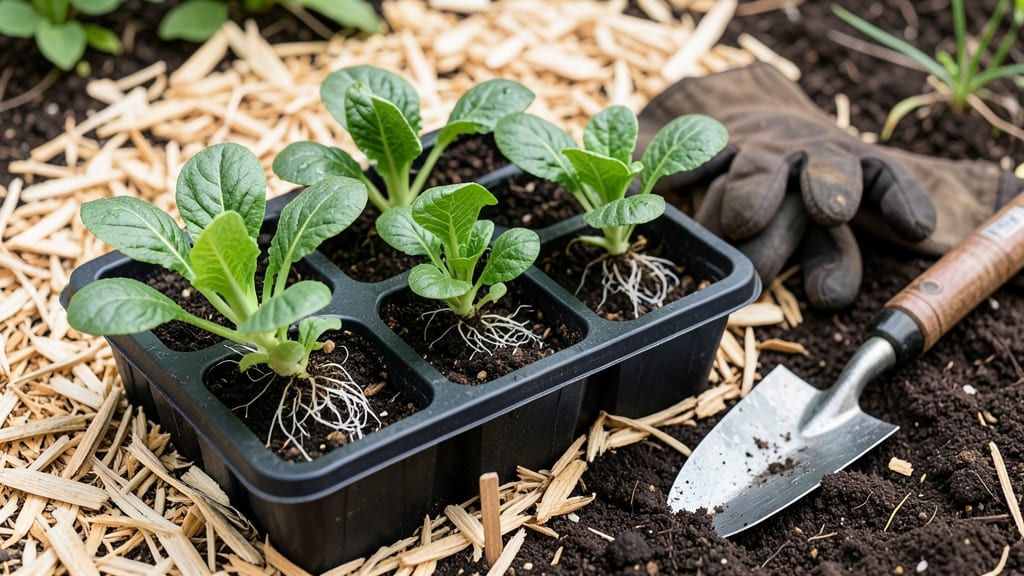
Timing your 🥦 Brussel sprouts planting in Zone 8 isn't just about the calendar—it's about dodging the two biggest enemies of a great harvest: summer heat and early frost.
Plant too soon, and you'll watch your plants bolt before they even form buds; wait too long, and frost will nip your crop before it matures.
For Zone 8 (General), the sweet spot is early fall—think August to September—when temperatures start cooling but the growing season still has enough steam to get those sprouts plump and ready for harvest by November or December.
This window gives your plants the 80-90 days they need to mature before the first frost hits around mid-November.
But here's the catch: not all of Zone 8 is created equal. Coastal areas with milder microclimates might push planting a bit later, while inland spots with colder nights should start earlier.
The key is to aim for 8-10 weeks before your expected first frost date, whether that's mid-November or earlier.
Ready to avoid the common mistakes and get a head start on next year's harvest? Let's break down exactly how to time it right—so you can enjoy homegrown 🥦 Brussel sprouts that taste sweeter than anything from the store.
Optimal planting windows for Brussel sprouts in Zone 8
Brussel sprouts are cool-season crops that perform best when planted at the right time in Zone 8. The key is to avoid the summer heat, which causes them to bolt prematurely, while ensuring they mature before the first frost.
For Zone 8, this means focusing on early fall planting as the primary strategy, with optional late winter options.
In most of Zone 8, the last frost typically occurs between November 15 and December 15, while the first frost arrives around October 15–November 15.
To harvest before frost, plant your Brussel sprouts 8–10 weeks before the first expected frost date. This usually translates to mid-August to early September for a fall crop.
For gardeners who prefer a spring harvest, you can also plant in late February to early March, about 6–8 weeks before the last frost date. However, spring planting in Zone 8 requires extra care to avoid heat stress, so it’s less reliable than fall planting.
Direct sowing is the best method for Brussels sprouts, as they transplant poorly. Start seeds indoors 4–6 weeks before your target outdoor planting date if you’re in a cooler microclimate, but most Zone 8 gardeners can sow directly outside during the optimal windows mentioned above.
| Planting Window | Best Timeframe | Days to Maturity | Harvest Window |
|---|---|---|---|
| Early Fall (Primary) | Mid-August to early September | 80–100 days | November to December |
| Late Summer (Risky) | Late July to mid-August | 90–120 days | October (high bolt risk) |
| Late Winter (Spring) | Late February to early March | 80–100 days | May to June |
Note: Adjust dates 1–2 weeks earlier for coastal Zone 8 (milder winters) or 1–2 weeks later for inland areas (harsher winters).
If you’re in a coastal Zone 8 area like Southern California, your frost dates may be later, allowing for a slightly extended planting window. Conversely, inland areas like Phoenix or Las Vegas may need to plant as early as July to avoid extreme summer heat.
Always check your local frost date averages for precision.
For gardeners in Zone 8a (warmer subzone), focus on August planting to ensure maturity before frost. In Zone 8b (cooler subzone), you can extend planting into early September. Use a frost calendar or local agricultural extension service for exact dates tailored to your microclimate.
One common mistake is planting Brussel sprouts too early in Zone 8, which leads to premature bolting (flowering) due to heat stress. To prevent this, choose shade-tolerant varieties or provide afternoon shade during the hottest months. Mulching with straw can also help regulate soil temperature and retain moisture.
Always test your soil temperature before planting—Brussel sprouts thrive in soil temps between 45–75°F. If your soil is too hot (above 80°F), delay planting until conditions cool down. A simple soil thermometer is a game-changer for timing your plantings perfectly.
Finally, remember that succession planting can help maximize your yield. If you have space, sow a second batch 2–3 weeks after your initial planting to stagger harvests and extend your growing season. This works especially well in Zone 8’s mild winters, where some varieties can even overwinter with protection.
Optimal planting windows for Brussel sprouts in Zone 8
In Zone 8, timing your Brussel sprouts planting is critical to avoid the double threat of heat stress and early frost. The ideal window focuses on early fall planting, when temperatures begin to cool but before the first frost arrives—typically between mid-August and mid-September.
This ensures your plants mature before winter sets in.
For a spring harvest, you can also plant in late February to early March, giving them enough time to grow before summer heat arrives. However, spring planting is riskier in Zone 8 due to unpredictable weather patterns and potential bolting from heat stress.
Here’s a quick reference to help you plan:
| Planting Window | Key Considerations | Days to Maturity |
|---|---|---|
| Mid-August to Mid-September | Cool nights, avoid summer heat; harvest before first frost (Nov 15–Dec 15). | 90–120 days |
| Late February to Early March | Risk of bolting in heat; prioritize fast-maturing varieties. | 80–90 days |
When planting in Zone 8, always check your local last frost date, as microclimates can vary. For example, coastal areas may have later frosts than inland regions. Aim to plant 8–10 weeks before your first frost date for a reliable harvest.
Direct-sowing Brussel sprouts is ideal in Zone 8, as transplants can struggle with heat stress. Sow seeds ½ inch deep and 2 inches apart, then thin seedlings to 18–24 inches apart as they grow. This spacing ensures good airflow and reduces disease risk.
If you’re unsure about your local frost dates, use a frost calendar or ask your local cooperative extension service for precise guidance. Adjust your planting date by 1–2 weeks earlier if your area tends to have earlier frosts than average.
Remember, Brussel sprouts love cool weather, so the goal is to get them established before summer’s heat peaks or winter’s frost arrives. With the right timing, you’ll enjoy a homegrown harvest that rivals store-bought quality!