
Plants
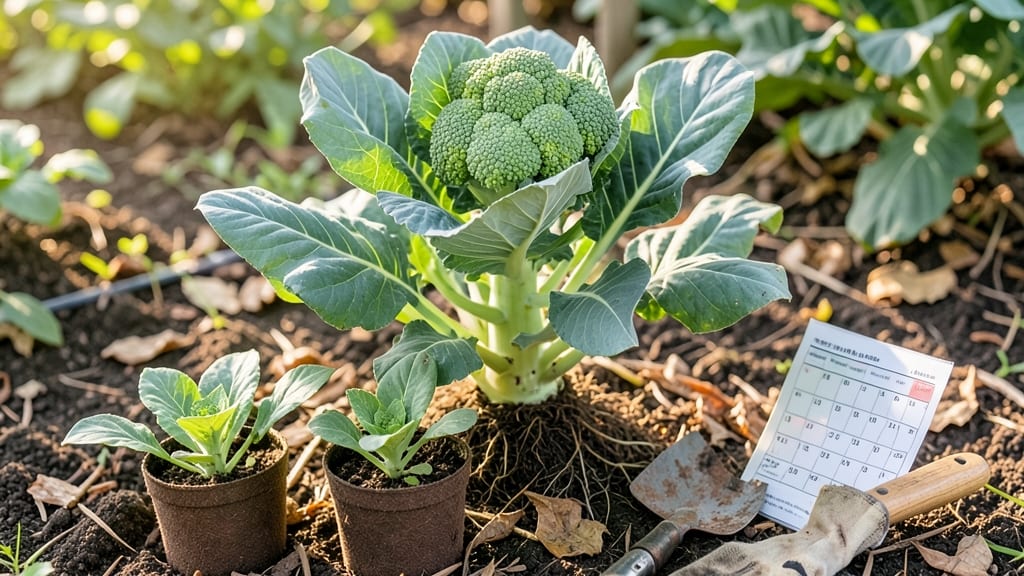
Timing your broccoli 🥦 planting in Minnesota isn’t just about the calendar—it’s about outsmarting frost, heatwaves, and those unpredictable Zone 4a/4b surprises that can turn your garden dreams into disappointment.
Plant too early, and a late frost will wipe out your seedlings; too late, and you’ll miss the sweet spot for a fall harvest. The key? A frost-free strategy that aligns with Minnesota’s short but productive growing windows.
Most gardeners here know broccoli thrives in cool weather, but the real challenge is nailing the mid-April to early June window for spring planting—or the mid-July to early August slot for fall.
That’s just 8-10 weeks before your first frost hits in October, and one wrong move could mean bolting plants or stunted heads. Whether you’re a backyard gardener or a small-scale farmer, getting this right means the difference between a bountiful harvest and a sad, wilted disappointment.
I’ve tested these planting windows for years in Minnesota, and the secrets aren’t just about dates—they’re about soil prep, variety choices, and even backup plans for when Mother Nature throws a curveball.
From using row covers to adjust for cold snaps to succession planting for extended harvests, I’ll walk you through the exact steps to maximize your broccoli’s potential. Let’s turn your garden into a high-yielding powerhouse, one frost-free season at a time.
Ready to ditch the guesswork? You’ll learn how to time your plantings like a pro, avoid the top 5 Minnesota mistakes that kill yields, and even troubleshoot when things go sideways.
By the end, you’ll have a customized planting plan that works for your specific zone—and a harvest that’ll make your neighbors green with envy.
Broccoli planting calendar for Minnesota’s Zone 4a/4b: exact dates by variety
Minnesota’s Zone 4a/4b growing season is short, so timing your broccoli planting is everything. With an average 165 frost-free days, you’ll want to focus on two planting windows: spring and fall.
Spring plantings give you a summer harvest, while fall plantings extend your season into October or November. Let’s break down the exact dates and varieties that thrive in Minnesota’s climate.
For spring plantings, aim to sow seeds or transplant seedlings 4-6 weeks before your last frost date. In Minnesota, this typically means mid-April to early May for most regions.
If you’re starting from seeds indoors, begin them 6-8 weeks before transplanting—usually around early March—to give them a head start. Fall plantings, on the other hand, require 8-10 weeks before your first frost, landing you in mid-July to early August.
Not all broccoli varieties perform equally in Minnesota’s climate. Cold-hardy varieties like ‘Waltham 29’ or ‘De Cicco’ are excellent choices for both spring and fall plantings. For a longer harvest window, consider sprouting broccoli varieties like ‘Calabrese’, which produce multiple harvests after the main head is cut.
Hybrid varieties such as ‘Packman’ or ‘Green Magic’ are also popular for their disease resistance and consistent yields.
| Planting Window | Varieties | Transplant Date | Harvest Time | Notes |
|---|---|---|---|---|
| Spring | Waltham 29, De Cicco, Packman | Mid-April to early May | July - August | Plant 4-6 weeks before last frost |
| Fall | Calabrese, Green Magic, Purple Sprouting | Mid-July to early August | October - November | Plant 8-10 weeks before first frost |
| Succession Planting | Any variety, every 2 weeks | April to July | July - October | Extend harvest with staggered plantings |
Succession planting is a game-changer for Minnesota gardeners. By sowing new seeds every 2 weeks from April to July, you can ensure a continuous harvest from July through October.
This method works especially well for sprouting broccoli, which produces multiple harvests. Just be sure to space your plantings so that mature plants don’t crowd each other as they grow.
When transplanting, choose healthy seedlings with 4-6 true leaves and sturdy stems. Harden them off for 5-7 days before planting to reduce transplant shock.
In Minnesota’s cooler soils, consider using black plastic mulch or straw mulch to warm the soil and protect young plants from late spring frosts, which can still occur as late as mid-May.
For container gardening, opt for compact varieties like ‘Little Sprint’ or ‘Green Gems’. Plant them in 5-gallon containers with well-draining soil and ensure they receive full sun. Containers warm up faster than garden beds, so you can start them 1-2 weeks earlier than in-ground plantings.
Just be prepared to move containers indoors if a cold snap is forecasted.
Monitor your broccoli plants closely for signs of bolting—when the plant sends up a flower stalk prematurely. This often happens when days get too long or temperatures rise above 80°F.
To delay bolting, provide consistent moisture and use shade cloth during heatwaves. If bolting occurs, harvest the side shoots for smaller, tender broccoli florets.
Finally, keep an eye on the weather forecast and adjust your planting dates if needed. A cold snap in early May or an unusually warm April can shift your timeline.
When in doubt, err on the side of planting later—it’s easier to protect young plants from cold than to salvage a frost-damaged crop.
With these exact dates and pro tips, you’ll be well on your way to a bountiful broccoli harvest in Minnesota’s challenging climate. Happy gardening! 🥦
How to adjust planting dates for Minnesota’s unpredictable weather patterns
Minnesota’s weather can throw curveballs—late frosts in May or unexpected heatwaves in July. To protect your broccoli, I’ve learned to adjust planting dates based on soil temperature and weather forecasts.
Start seeds indoors 4-6 weeks before your target outdoor date, then transplant only when nighttime temps stay above 40°F for at least 2 weeks.
Use a soil thermometer to confirm readiness—broccoli thrives in 50-75°F soil. If your garden feels too cold, opt for row covers or extend the season with cold-hardy varieties like ‘Waltham 29’ or ‘De Cicco’. These can handle light frosts (25°F) better than standard types.
⚠️ WARNING: Late Frost Risk
If frost is forecasted within 2 weeks of transplanting, delay planting by 2-3 weeks or use frost cloth. Broccoli seedlings can’t recover from frost damage—wilted leaves mean lost plants.
Pro Tip: Plant a backup batch 2 weeks after your initial date to hedge against weather delays.
For fall harvests, aim to plant 8-10 weeks before your first frost (typically mid-October in Zone 4a). If summer heat lingers, choose shade-tolerant varieties like ‘Calabrese’ or plant in partial shade to prevent bolting. Monitor heat waves—temps above 85°F stress broccoli, slowing growth.
I’ve had success using succession planting in late July for fall crops. Sow seeds every 2 weeks until early August to stagger harvests. This spreads risk if weather disrupts one batch. Always check the National Weather Service for your local frost dates—Minnesota’s can vary by 1-2 weeks yearly.
Container gardeners have an advantage: move pots to protected spots during cold snaps. Use black plastic mulch to warm soil faster in spring or straw mulch to insulate roots in fall. These tricks buy you 2-3 extra weeks of growing time—critical in Minnesota’s short season.
Remember: No single planting date works every year. Keep a garden journal to track what works best for your microclimate. Over time, you’ll spot patterns—like whether your garden warms up faster in 2023 vs. 2024—and adjust accordingly.