
Plants
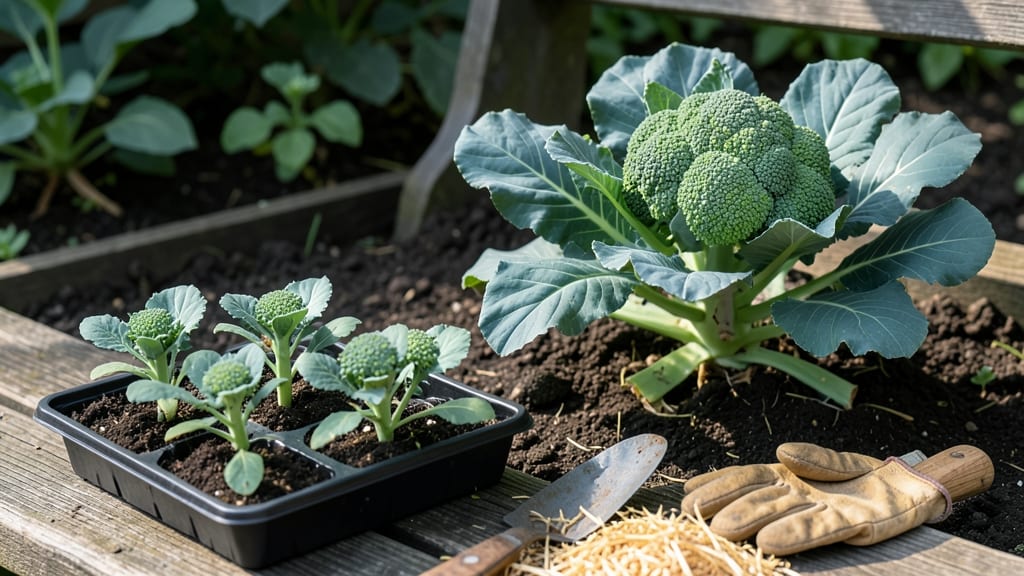
Planting broccoli 🥦 in Massachusetts isn’t just about tossing seeds in the dirt—it’s about catching that 4-6 week window before your last frost date, or risk bolting or frost damage.
With USDA Zone 6a’s unpredictable swings from freezing nights to sudden heatwaves, timing becomes the difference between a bountiful harvest and wasted effort.
If you’ve ever stared at your calendar in April wondering, "Am I too late?" or panicked in July about fall planting, you’re not alone. The key is knowing when to start seeds indoors or set transplants out—whether you’re in Boston’s coastal breeze or the Berkshires’ cooler inland climate.
I’ll break down the exact weeks to plant for both spring and fall crops, so you can avoid the most common mistakes that leave gardeners scratching their heads.
Here’s what you’ll discover: how to adjust for Massachusetts’ microclimates, when to succession plant for a continuous harvest, and why some varieties handle our unpredictable frost dates better than others. No more guessing—just a clear, actionable schedule tailored to your region.
Ready to grow broccoli that thrives? Let’s dive into the precise planting calendar that’ll have your garden producing head after head from June through November.
Broccoli planting schedule in Massachusetts: exact weeks before last frost by variety
Massachusetts' USDA Zone 6a climate means broccoli thrives in both spring and fall plantings, but timing is critical. For spring crops, aim to plant 4-6 weeks before your average last frost date—typically mid-March to early April in most regions.
Fall plantings should go in late July to early August for a late-season harvest before frost.
Your last frost date varies slightly across Massachusetts. In Boston and coastal areas, it’s usually April 15, while inland areas like Worcester or the Berkshires may see frost linger until April 25. Adjust your schedule accordingly to avoid bolting (premature flowering) or frost damage.
Not all broccoli varieties handle Massachusetts' climate equally. Cold-hardy varieties like 'Waltham 29' or 'Calabrese' tolerate light frosts, while sprouting broccoli (like 'Purple Sprouting') thrives in cooler fall temperatures. Choose wisely based on your planting window.
Here’s a quick reference for planting windows by variety and season, tailored to Massachusetts:
| Variety | Spring Planting Window | Fall Planting Window | Days to Harvest | Notes |
|---|---|---|---|---|
| Waltham 29 | Late March - Early April | Late July - Early August | 60-75 days | Cold-hardy, great for early spring |
| Calabrese | Early April - Mid-April | Early August - Mid-August | 70-80 days | Large heads, needs consistent moisture |
| Purple Sprouting | Late August (fall only) | N/A | 90-100 days | Tolerates light frost, harvest until winter |
| Belstar | Early April - Late April | Late July - Early August | 55-65 days | Disease-resistant, compact |
For spring plantings, start seeds indoors 6-8 weeks before your last frost date (around mid-February) to give seedlings a head start. Transplant outdoors after hardening off, ensuring soil temperatures reach 45°F—usually by early April in most of Massachusetts.
Fall plantings require 3 months before the first frost (typically late July to early August). Use row covers or cold frames to extend harvests into October or November. Varieties like 'Purple Sprouting' can even survive light frosts, adding flavor and color to winter gardens.
Pro tip: Succession planting every 2 weeks in spring and fall ensures a steady harvest. For example, plant a batch in late March, another in early April, and a final one in mid-August for continuous yields.
Always check your local last frost date using resources like the Massachusetts State Climatologist or Old Farmer’s Almanac, as microclimates can shift planting windows by 1-2 weeks. Coastal areas warm up faster, while inland valleys may hold frost longer.
Once planted, maintain consistent moisture and rich soil (pH 6.0-7.0) to prevent bolting. Mulch with straw to retain soil warmth and moisture, especially in dry spring or hot summer conditions.
How to adjust planting for Massachusetts’ microclimates: coastal vs. inland timing
Massachusetts’ diverse geography means your last frost dates can vary by 2-3 weeks between coastal areas and inland regions.
Coastal zones like Cape Cod and the South Shore often see frost 1-2 weeks earlier in spring and 1 week later in fall compared to inland areas like Worcester or the Berkshires. Understanding these microclimates helps you fine-tune your broccoli planting schedule for maximum success.
For coastal gardeners, aim to plant heading broccoli 4-5 weeks before your local last frost date—typically between mid-March and early April. Inland areas can wait until late March to early May, giving plants more time to establish before summer heat arrives.
This adjustment prevents bolting (premature flowering) in warmer microclimates.
| Region | Last Frost Date | Spring Planting Window | Fall Planting Window | Key Adjustment |
|---|---|---|---|---|
| Coastal (Cape Cod, South Shore) | April 1-15 | Mid-March to early April | Late July to early August | Plant 1-2 weeks earlier than inland |
| Inland (Worcester, Berkshires) | April 15-30 | Late March to early May | Early to mid-August | Wait 1-2 weeks longer for spring |
| Central (Boston, Metro West) | April 10-20 | Late March to mid-April | Late July to early August | Follow local weather alerts |
To extend your harvest window, use row covers or cold frames to protect young plants. For coastal areas, these tools can push your spring planting back by 2-3 weeks without risking frost damage.
Inland gardeners can use them to start fall plantings 1-2 weeks earlier, giving broccoli more time to mature before the first frost.
Pay attention to local weather patterns—coastal areas may experience warmer winters and cooler summers than inland zones. For example, sprouting broccoli (like ‘Calabrese’) thrives in these cooler conditions, while heading varieties (like ‘Waltham 29’) need consistent warmth to avoid bitter flavors or poor head formation.
For fall plantings, coastal gardeners should aim to sow seeds by late July to ensure harvests before the October 15 average first frost. Inland areas can extend this to mid-August, but monitor soil temperatures—broccoli seeds need 40-85°F to germinate.
If your soil stays above 85°F for more than a week, wait until September to avoid seedling stress.
Pro tip: Use a planting calendar from your local Cooperative Extension office (like UMass Amherst) for hyper-localized advice. These resources often include 10-year frost data to help you plan around unpredictable weather—because no two Massachusetts growing seasons are alike! 🌱