
Plants
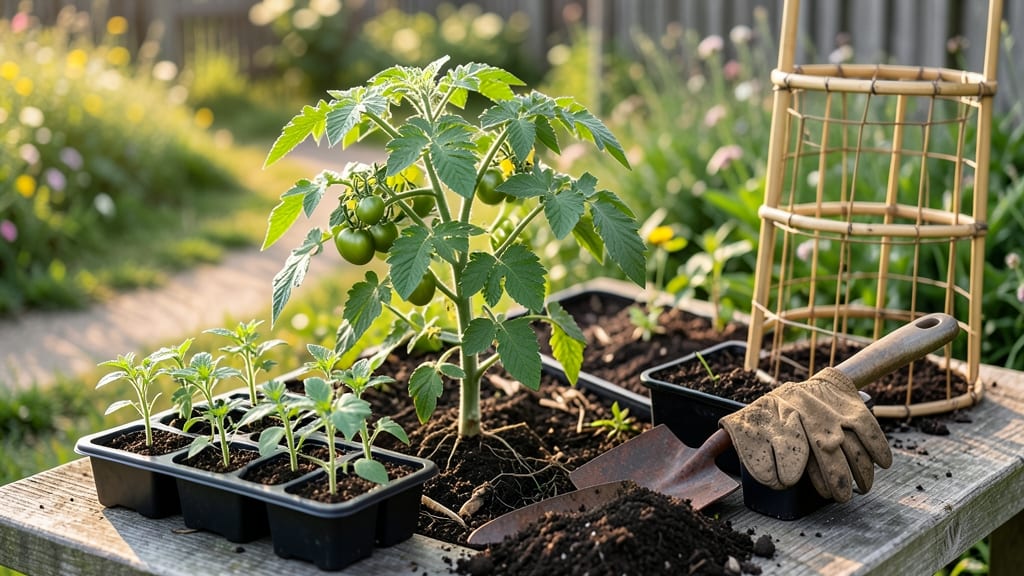
Planting tomatoes in New Jersey isn’t just about grabbing seeds and sticking them in the dirt—it’s about mastering the exact timing to beat frost and maximize your harvest.
With NJ’s USDA zones 6a-7b and unpredictable spring weather, getting those 🍅 in the ground too early or too late can mean the difference between a bumper crop and a sad, wilted vine.
I’ve learned the hard way that even a week off can throw off your entire growing season. Whether you’re a first-time gardener or a seasoned pro, knowing when to start seeds indoors, transplant seedlings, and directly sow in the garden is the key to success.
Let’s break down the perfect planting windows for your specific zone—and how to adjust for NJ’s quirky microclimates.
From coastal breezes that delay frost to inland heatwaves that speed up growth, New Jersey’s climate demands precision. You’ll discover how to calculate your personal planting window, choose the right tomato varieties for your zone, and avoid common mistakes that waste time and effort.
Ready to grow tomatoes that rival the pros? Let’s get started.
By the end of this guide, you’ll know not just when to plant, but how to set your tomatoes up for a long, productive season—even if you’re not a master gardener. No more guesswork, just delicious, homegrown 🍅 all summer long.
NJ last frost dates by Zone: exact weeks to plant tomatoes for maximum growth
New Jersey spans USDA Zones 6a-7b, meaning last frost dates can vary by 2-3 weeks across the state. For tomatoes—heat-lovers that need 60°F+ soil—this translates to planting windows that shift from mid-April in southern NJ to late May in the north.
Rutgers Extension data shows the average last frost dates range from April 15 in Zone 7b (e.g., Cape May) to May 10 in Zone 6a (e.g., Sussex County).
But here’s the catch: Microclimates matter. Coastal areas like Atlantic City may see frost 1-2 weeks earlier than inland spots like Trenton due to ocean currents. Meanwhile, urban heat islands (like Newark) can push planting dates 5-7 days earlier thanks to warmer soil.
Always verify with local almanac records or tools like the NJ Weather and Climate Network.
For direct sowing (planting seeds outdoors), aim for 2-3 weeks after your last frost date. This gives seedlings time to establish roots before summer heat arrives. Transplants, however, can go in 1-2 weeks earlier since they’re already hardened off.
In Zone 7b (southern NJ), that’s typically April 25-May 10; in Zone 6a (north), wait until May 15-June 1.
| Zone | Avg. Last Frost | Direct Sow Window | Transplant Window | Heat Units Needed |
|---|---|---|---|---|
| 7b (Cape May, Atlantic City) | April 15 | May 1–10 | April 25–May 5 | 2,500–3,000°F |
| 7a (Trenton, Camden) | April 22 | May 5–15 | May 1–10 | 2,800–3,200°F |
| 6b (Newark, Jersey City) | April 28 | May 10–20 | May 5–15 | 3,000–3,400°F |
| 6a (Sussex, Morris) | May 10 | May 25–June 1 | May 15–25 | 3,200–3,600°F |
*Heat units = Growing Degree Days (GDD) from 50°F baseline. Source: Rutgers NJAES 2023.
Pro tip: Count backward from your first frost date. Tomatoes need 70–90 days to mature, so if your first frost is October 31, plant by July 15 at the latest for a fall harvest.
Use this formula: (First frost date – 70 days) = Last planting window. For example, in Zone 6a, October 31 – 70 days = August 22—your final cutoff for late varieties.
Soil temperature is just as critical as air temperature. Use a soil thermometer to confirm readings of 60°F+ at a 4-inch depth. Cold soil delays germination and stunts root growth.
In northern NJ, where soils stay chilly longer, consider black plastic mulch 1–2 weeks before planting to warm the ground by 5–10°F. This trick lets you plant 7–10 days earlier without risking frost damage.
Don’t overlook heat waves, either. NJ summers can hit 90°F+ by July, stressing young tomato plants. If you’re in Zone 7b and plant early (April), shade cloth or drip irrigation can prevent sunscald on leaves and blossom drop.
Conversely, late plantings in August may not ripen before frost—so prioritize early-midseason varieties like ‘Early Girl’ or ‘Stupice’ for those dates.
For container gardening, adjust your timeline 1–2 weeks earlier since pots warm up faster. Place containers in south-facing spots and use dark-colored pots to absorb heat. Just ensure pots have drainage holes to prevent root rot—NJ’s humidity is a tomato’s worst enemy.
Track your progress with a planting journal. Note when you sow, transplant, and see first flowers/fruit
How to calculate your personal planting window in NJ (even if you’re not in a ‘typical’ Zone)
New Jersey’s last frost dates can shift by weeks depending on where you live. Coastal areas like Cape May often see frost 2-3 weeks later than inland spots near Newark, while the Pine Barrens can have earlier freezes.
To avoid guessing, I use a 3-step method that accounts for your exact location—no matter how unique your microclimate is.
First, check the NJ Weather and Climate Network (njaes.rutgers.edu/climate/) for your local frost history. These records show the average last frost date for your ZIP code, but I always add 7-10 days of buffer to account for late springs.
For example, if your area’s average last frost is April 20, I wait until May 1 to plant heat-loving tomatoes like ‘Celebrity’.
Next, test your soil temperature with a cheap thermometer—tomatoes need soil at 60°F or warmer to thrive. Cold soil slows germination and invites disease. I’ve seen seedlings rot in 55°F soil even when air temps were perfect.
Pro tip: Use black plastic mulch 1-2 weeks before planting to warm the soil faster.
⚠️ Common NJ Mistake: Planting by Air Temp Alone
Many gardeners watch for 50°F days to plant, but soil temperature is the real indicator. In 2021, I planted tomatoes in late April in Morris County when air temps hit 55°F—only to watch them wilt because the soil was still 48°F. Always check 2 inches deep for accuracy.
For indoor starts, count back 6-8 weeks from your adjusted last frost date. If you’re in Zone 6b (north NJ), that means starting seeds by March 15-20. But if you’re in Zone 7a (south NJ), you can wait until April 1-5.
Use a grow light to prevent leggy seedlings—natural light in NJ windows is often too weak in early spring.
Don’t forget to account for heat units, which measure how quickly plants mature. Tomatoes need 1,000-1,500 heat units to ripen. In NJ, we gain about 30-50 units per day in summer.
Use Rutgers’ Growing Degree Day Calculator to estimate when your plants will be ready to harvest based on your variety’s needs.
Finally, monitor the 10-day forecast before planting. A cold snap can push your last frost back by a week. I once delayed planting until June 1 in 2022 after a late May freeze in Burlington County—my ‘Sungold’ cherry tomatoes still produced a bumper crop by August.
By combining these methods, you’ll create a planting window that’s customized to your yard, not just your ZIP code. No more wasted seeds or sad, frost-nipped plants—just a reliable harvest from June to October. 🌱