
Plants
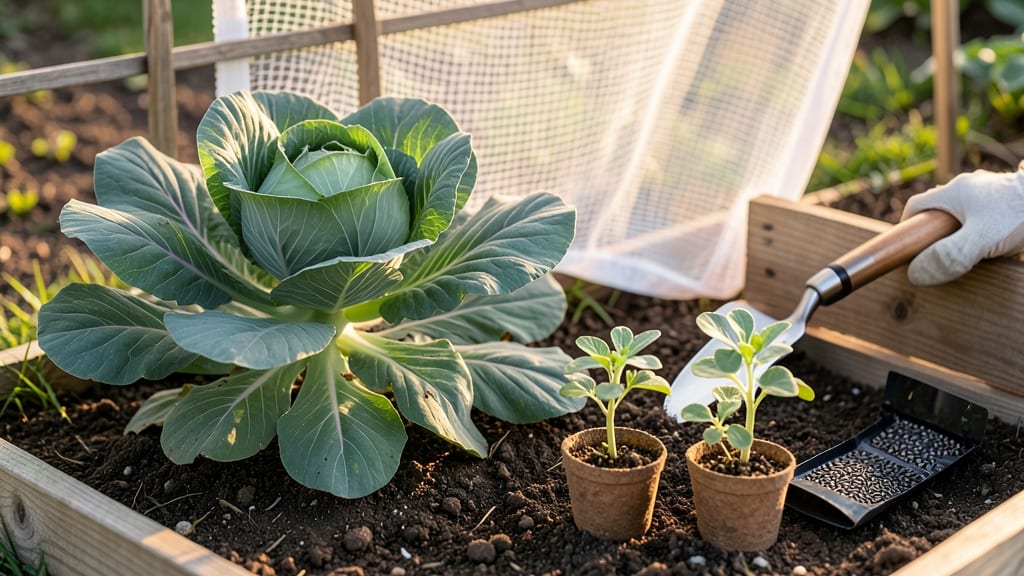
Planting cabbage in Utah isn't just about throwing seeds in the dirt—it's about timing them perfectly to dodge frost, heat, and those pesky 50-day windows between transplant and harvest.
If you miss the mark, you could end up with wilted seedlings or bitter-tasting heads before you even get to enjoy them.
The key to success lies in understanding Utah's unique climate zones, where last frost dates can vary by 2-3 weeks depending on whether you're in St. George or Salt Lake City.
Too early, and a late frost will zap your seedlings; too late, and you'll be left scrambling for fall planting. I've tested the best strategies for both spring and fall plantings—so you don't have to learn the hard way.
What you'll discover here are the exact weeks before last frost to plant your 🥬 for maximum yield, plus how to adjust for high-elevation areas where nights stay chilly long after the calendar says spring has arrived.
We'll also cover the best cabbage varieties that thrive in Utah's heat and soil, so you can enjoy crisp, homegrown heads from June through November.
Ready to grow cabbage that's sweeter and more abundant than what you'll find at the store? Let's get started with the planting schedule that actually works for Utah gardeners.
Utah’s last frost dates: exact weeks to plant cabbage for maximum yield
Utah’s frost dates vary dramatically between its northern high-elevation regions (like Ogden or Park City) and southern desert areas (like St. George). For most of Utah, the average last frost date falls between mid-April and early May, but high-altitude areas can experience frost as late as May 15th.
This variability means your cabbage planting window must be precise to avoid frost damage or missed harvests.
To maximize yields, plant cabbage seeds or seedlings 4-6 weeks before your local last frost date. For example, if your last frost is April 15th, aim to transplant seedlings by March 1st. This timing ensures your plants mature before summer heat triggers bolting (premature flowering).
Use this summary table to pinpoint your exact planting window based on Utah’s USDA Zones 5-7 and elevation:
For high-elevation gardens (above 6,000 feet), extend your planting window by 2-3 weeks later due to later frost dates. For example, if your last frost is May 10th, plant seedlings by April 1st instead of March 15th. This adjustment prevents frost damage to tender seedlings.
Another critical factor is microclimates. Urban areas like Salt Lake City often experience urban heat islands, which can delay frost by 1-2 weeks. Conversely, valley floors (like Cache Valley) may see frost 10-14 days earlier than nearby mountains.
Monitor local weather forecasts and use frost-free date calculators (like the Old Farmer’s Almanac) for precision.
If you’re unsure about your exact last frost date, use row covers or cold frames to extend your planting window by 2-3 weeks earlier. These protective layers create a warmer microclimate, allowing seedlings to survive light frosts (28°F) without damage.
For direct-sown seeds, wait until soil temperatures reach 40°F to ensure germination.
For a fall harvest, plant cabbage seeds 8-10 weeks before your first frost (typically August 1st for most of Utah). This timing ensures heads mature before winter sets in. Use heat-tolerant varieties (like ‘Red Express’) to avoid bolting in Utah’s summer heat.
Pro tip: Mark your planting dates on a garden calendar and track soil temperatures with a soil thermometer. Utah’s diurnal temperature swings (hot days, cold nights) can stress cabbage seedlings, so aim for consistent soil temps above 50°F for best results.
Cabbage varieties that thrive in Utah’s climate: best types and their ideal planting times
Utah’s diverse microclimates—from freezing mountain valleys to desert-like lowlands—mean not all cabbage varieties will thrive. Choosing the right type ensures your plants survive late spring frosts and summer heat waves.
Some varieties bolt (flower prematurely) in Utah’s intense sun, while others struggle with cold snaps. Let’s break down the best options and their perfect planting windows.
For spring harvests, prioritize cold-hardy varieties like ‘Golden Acre’ or ‘Early Jersey Wakefield’. These can handle Utah’s early April frosts and mature quickly (60-70 days).
For fall harvests, heat-tolerant types like ‘Red Express’ or ‘Cavalo’ shine, resisting bolting in 90°F+ temperatures common in St. George or Salt Lake City.
🌱
If you’re in Northern Utah (USDA Zone 5-6), focus on early varieties like ‘Golden Acre’ to avoid late frosts. In Southern Utah (Zone 7), opt for heat-lovers like ‘Red Express’ and plant in late summer to escape extreme heat.
Always check your local Utah State University Extension frost dates—even a 2-week difference can mean the difference between a thriving crop and a failed harvest.
For container gardening in Utah’s urban areas (e.g., Salt Lake City), dwarf varieties like ‘Miniature Drumhead’ work well. Just ensure pots are at least 12 inches deep and use moisture-retentive soil to combat desert-like conditions. Container-grown cabbage may need daily watering during Utah’s summer heat.
🌿