
Plants
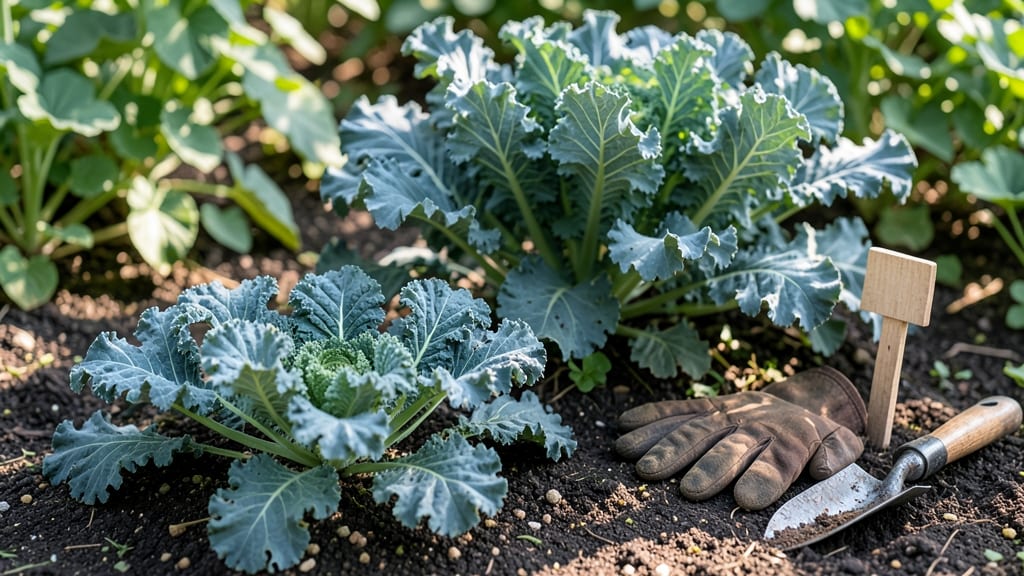
Planting brassicas 🥬 in Wisconsin isn’t just about throwing seeds in the ground—it’s about mastering the 4b-5a zone’s tricky frost windows. Get the timing wrong, and you’ll either lose seedlings to late spring frosts or watch your fall crops bolt before harvest.
But with the right deadlines, you can stretch your growing season from late summer to early winter—no matter which variety you’re growing.
Most gardeners in Wisconsin plant brassicas twice a year: once in spring (mid-April to late June) and again in fall (late July to early August). The key?
Starting seeds indoors 4-6 weeks before your average last frost (usually mid-April) or direct-sowing hardy varieties like kale and collards 2-3 weeks before that date. For fall, aim to plant 8-10 weeks before your first frost (mid-October) to ensure mature harvests before winter sets in.
Here’s the game-changer: not all brassicas play by the same rules. Broccoli and cabbage need cooler soil to germinate, while kale and Brussels sprouts handle Wisconsin’s heat better.
I’ll break down the exact planting windows for each variety, plus how to adjust for your specific corner of the state—whether you’re near Lake Michigan’s milder microclimate or inland with colder nights.
Ready to stop guessing and start growing? Let’s dive into the frost-free deadlines that’ll give you a steady supply of homegrown brassicas all season long—no more wasted seeds or missed harvests.
Wisconsin brassica planting deadlines by hardiness zone (5-6)
Wisconsin’s USDA zones 5a-6b create a delicate balance for growing brassicas like cabbage, broccoli, and kale. The average last frost date ranges from mid-April in southern Wisconsin to late May in the north, while the first frost typically arrives between mid-October and early November.
These dates dictate your planting windows—miss them, and you risk frost damage or bolting (premature flowering).
For spring brassicas, aim to plant 4-6 weeks before your last frost date. In zone 5a, that’s often early to mid-April, while zone 6b gardeners can start as early as late March.
Fall plantings, however, require 8-10 weeks before the first frost, meaning late July to early August is your sweet spot. Lake Michigan’s influence can delay frosts near the coast, giving you 1-2 extra weeks in southern Wisconsin.
Here’s how to adjust for Wisconsin’s unpredictable weather. Use the Wisconsin State Climatology Office or UW-Madison Extension for localized frost data. For example, Milwaukee (zone 5b) may have 10-14 more frost-free days than Eau Claire (zone 4b).
Always have row covers ready—even a light frost can ruin young seedlings.
🌱
Understanding these zone-specific deadlines helps you avoid common Wisconsin mistakes, like planting head cabbage too late in summer—it bolts faster in hot, humid weather. For example, Brussels sprouts need 90-120 days to mature, so late July plantings in zone 5a might not fully develop before frost.
Meanwhile, kale and collards are more frost-tolerant, making them ideal for fall succession plantings.
Pro tip: Start seeds indoors 4-6 weeks before your last frost date for head-forming brassicas like broccoli or cauliflower. Use grow lights to mimic 14-16 hours of light—this prevents leggy seedlings and ensures strong transplants ready for outdoor planting.
Harden off seedlings for 7-10 days before transplanting to avoid shock from Wisconsin’s cool, windy springs.
If you’re in zone 5a and want to extend your growing season, consider cold frames or low tunnels to push harvests into November. In zone 6b, you might even get two full harvests: one from spring plantings and another from fall succession.
Just remember: soil temperature matters too—brassicas thrive in 45-85°F soil. Use a soil thermometer to confirm it’s at least 40°F before planting.
💧
For fall brassicas, prioritize heat-tolerant varieties like ‘Winterbor’ kale or ‘January King’ cabbage. These can handle cooler temps and even light frosts, giving you harvests into December in zone 6b.
In zone 5a, focus on quick-maturing varieties (e.g., ‘Quick Start’ broccoli) to beat the frost. Always mulch heavily with straw or leaves to insulate roots and protect from temperature swings
Best brassicas to plant in Wisconsin’s spring vs. fall (with exact dates)
Wisconsin’s short growing season demands smart brassica selection—some varieties thrive in cool spring conditions while others excel in late-summer heat. For spring plantings, focus on cold-hardy varieties like early cabbage and broccoli, which tolerate light frosts.
Fall plantings, however, should prioritize heat-tolerant options like kale or Brussels sprouts, which mature slowly as temperatures drop.
Timing varies by USDA zone: In Zone 5a (e.g., northern Wisconsin), aim for late April to early May for spring brassicas, while Zone 6a (southern Wisconsin) can start as early as mid-April.
Fall plantings should begin 8–10 weeks before your first frost date—typically late July to early August—to ensure harvests before winter sets in.
🌱
| Variety | Spring Planting Window | Fall Planting Window | Days to Harvest | Wisconsin Notes |
|---|---|---|---|---|
| Early Cabbage (e.g., 'Golden Acre') | Late April–May | Late July–early August | 60–70 days | Cold-tolerant; ideal for early harvests. |
| Broccoli (e.g., 'Waltham 29') | Mid-April–June | Late July–early August | 50–70 days | Bolt-resistant; plant successionally for continuous yields. |
| Brussels Sprouts (e.g., 'Long Island Improved') | Late May–June | Early July–mid-August | 90–120 days | Sweetens after frost; fall plantings are best. |
| Kale (e.g., 'Winterbor') | Mid-April–June | Late July–early September | 45–60 days | Heat-tolerant; harvest young leaves for tender greens. |
| Cauliflower (e.g., 'Snowball Y') | Late April–May | Late July–early August | 70–85 days | Needs consistent moisture; avoid bolting with shade cloth. |
For spring brassicas, prioritize fast-maturing varieties like broccoli raab or turnip greens, which can be harvested in as few as 30–40 days. These are perfect for early-season gardens or container growing in cooler microclimates, like near Lake Michigan.
In contrast, fall plantings should focus on slow-to-mature crops like Brussels sprouts or late cabbage, which benefit from cool nights to develop flavor.
Pro tip: Use succession planting for broccoli or kale—sow seeds every 2–3 weeks from spring to early summer to stagger harvests. This ensures a steady supply even if late frosts or heat waves threaten your garden.
For example, plant broccoli in late April, then again in mid-May and early June to extend your harvest window.
Remember, Wisconsin’s weather is unpredictable—always have row covers or cold frames on hand to protect young seedlings from unexpected late frosts, especially in Zone 5a. Start seeds indoors 4–6 weeks before your target planting date to give them a head start.
🌿