
Plants
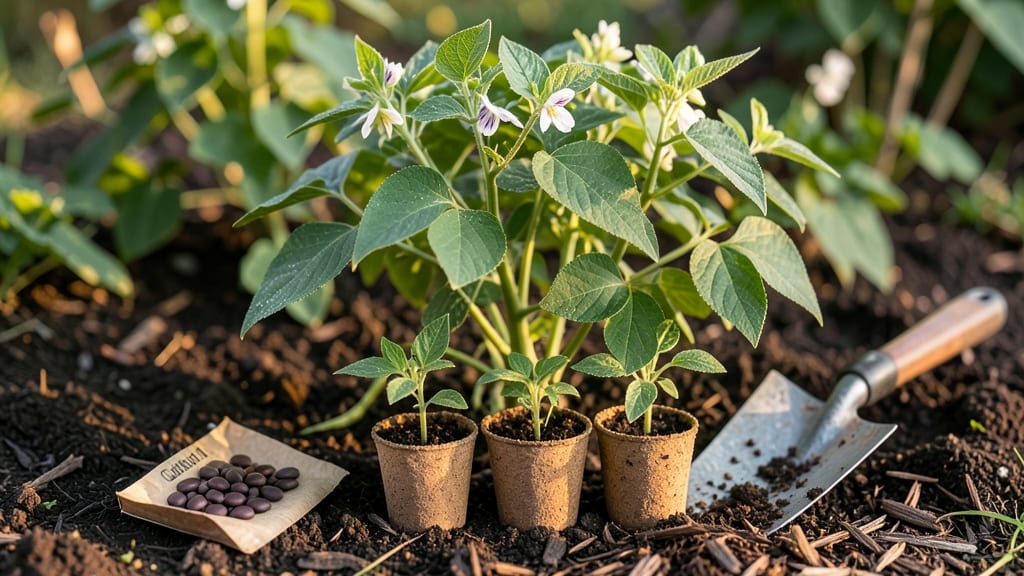
Timing your bean planting just right in Iowa can mean the difference between a garden full of 🌱 thriving beans and a wasted seed packet.
With the state's USDA zones 5a-6b and unpredictable spring weather, knowing when to plant beans is more than just waiting for April 15—it's about understanding your specific microclimate and variety needs.
Most gardeners in Iowa wait until after the last frost date, typically around mid-April, but that's just the starting point. The real key lies in soil temperatures and regional variations—northern Iowa might need to hold off until late May, while southern areas can plant as early as early April.
I'll break down the exact windows for bush beans, pole beans, and specialty varieties so you can avoid the common pitfalls of false springs and late frosts.
What you'll discover is that planting too early can leave your beans vulnerable to frost damage, while waiting too long might cut your harvest short. I've tested these strategies over multiple seasons and found that succession planting in late May or early June can extend your harvest well into September.
Let's dive into the details so you can plan your bean garden with confidence.
Whether you're growing Blue Lake bush beans or Kentucky Wonder pole beans, understanding these planting windows will help you maximize your yield. We'll cover everything from soil preparation to adjusting for Iowa's variable weather patterns, so you can enjoy a bountiful harvest without the guesswork.
Iowa bean planting calendar: frost-free dates by bean type (2024)
Iowa’s USDA zones 5a-6b create a tricky balance for bean growers—too early, and frost zaps tender seedlings; too late, and your harvest shrinks. The key is planting after your average last frost date, which typically falls between April 15 (southern Iowa) and May 1 (northern Iowa).
But don’t rely solely on dates: soil temperature matters just as much.
Most bean varieties thrive when soil reaches 60°F or warmer. In Iowa, this usually aligns with late April to early May, but false springs can throw off your timing.
For example, a warm spell in March might tempt you to plant early, but a late frost in April could wipe out your crop. Always wait until nighttime temperatures stay above 50°F consistently.
Bush beans (like ‘Blue Lake’ or ‘Contender’) are the fastest to mature—ready in 50-60 days—so they’re ideal for early planting. Pole beans (such as ‘Kentucky Wonder’) take 60-75 days and benefit from a longer season, while lima beans (e.g., ‘Fordhook’) need 75-90 days and should be planted slightly later.
Here’s how to align your planting with Iowa’s climate zones and bean types for a successful harvest:
| Bean Type | Planting Window (2024) | Days to Maturity | Notes for Iowa |
|---|---|---|---|
| Bush Beans | April 20–May 10 | 50–60 days | Best for early harvests; compact for small gardens. |
| Pole Beans | May 1–May 15 | 60–75 days | Needs trellis; longer harvest window. |
| Lima Beans | May 15–June 1 | 75–90 days | Heat-loving; plant late for best results. |
| Succession Planting | Every 2 weeks until June 15 | 50–75 days | Extend harvest; ideal for bush beans. |
For northern Iowa (USDA Zone 5a), err on the side of caution and wait until May 1 to plant bush beans, as late frosts are more common.
In southern Iowa (Zone 6b), you can start as early as April 20, but monitor soil temperatures closely—beans won’t germinate well below 60°F.
Pro tip: Use a soil thermometer to confirm readiness. Stick it in the ground 2 inches deep—if it reads 60°F or warmer for 3+ days, it’s safe to plant. This is especially critical for lima beans, which bolt (flower prematurely) in cooler soil.
If you’re in a microclimate (like a sheltered garden bed), you might push planting dates back by 1 week. Conversely, low-lying areas or urban heat islands may allow earlier planting. Always check your local Iowa State University Extension frost maps for real-time updates.
Once you’ve nailed your planting window, focus on seed depth and spacing. Plant seeds 1 inch deep and 2–3 inches apart for bush beans, or 4–6 inches apart for pole beans. Thin seedlings to 3–4 inches apart once they’re 2 inches tall to prevent overcrowding.
Remember: Beans are warm-season crops, so they’ll tolerate light frost only if they’re already established. If a late frost hits after planting, cover seedlings with row fabric or old blankets until temperatures rise. With the right timing, you’ll enjoy a bountiful harvest from July through September!
How to adjust planting dates for Iowa’s unpredictable weather patterns
Iowa’s spring weather can be as fickle as a whimsical wind, with false springs luring you into planting too early.
To avoid frost damage or stunted growth, I’ve learned to play it smart—adjusting my planting timeline based on soil temperature and weather forecasts rather than relying solely on calendar dates. This approach has saved my bean harvests more times than I can count!
First, always check your local frost-free date, which can vary by 1-2 weeks across Iowa. For example, southern Iowa (like Des Moines) typically sees its last frost around April 15, while northern areas (like Waterloo) might not be frost-free until May 1.
Planting too soon after a false spring can leave your beans vulnerable to late frosts, so I wait until the soil temperature consistently reaches 60°F.
Here’s my foolproof method: Use a soil thermometer to monitor temperatures for at least 3-5 days before planting. If nights dip below 50°F, even after daytimes warm up, your beans won’t thrive.
I also keep an eye on the 7-day forecast—if frost is predicted within 10 days of planting, I delay or use row covers for extra protection.
- 🌡️ Wait for 60°F soil: Beans need warm soil to germinate—never plant in cold, damp earth.
- 📅 Add 2 weeks buffer: If your last frost is April 15, aim for May 1 to be safe.
- 🌬️ Watch for false springs: A warm March doesn’t mean frost is gone—check forecasts!
- 🛡️ Use row covers: Extend your season by 2-3 weeks with lightweight fabric.
- 🌱 Succession plant: Sow seeds every 2 weeks in May/June for a continuous harvest.
For pole beans, which take longer to mature, I often start seeds indoors 4-6 weeks before the last frost date. This gives them a head start, especially if I’m growing heirloom varieties like ‘Kentucky Wonder,’ which need extra time to reach full height.
If you’re unsure, opt for bush beans like ‘Blue Lake’—they mature faster (50-60 days) and are more forgiving if planted slightly late.
One mistake I made early on was planting lima beans too soon in northern Iowa. These heat-loving plants need consistent warmth and struggled in cooler soils.
Now, I reserve lima beans for late May plantings or use black plastic mulch to warm the soil faster. This small tweak has doubled my yield!
Finally, don’t forget about succession planting. Iowa’s short growing season means you can’t afford to miss a single planting window. After your first batch of beans goes in, plan to sow another 2-3 weeks later and even a third in early June.
This staggered approach ensures a steady harvest from July through September, even if Mother Nature throws a curveball.