
Plants
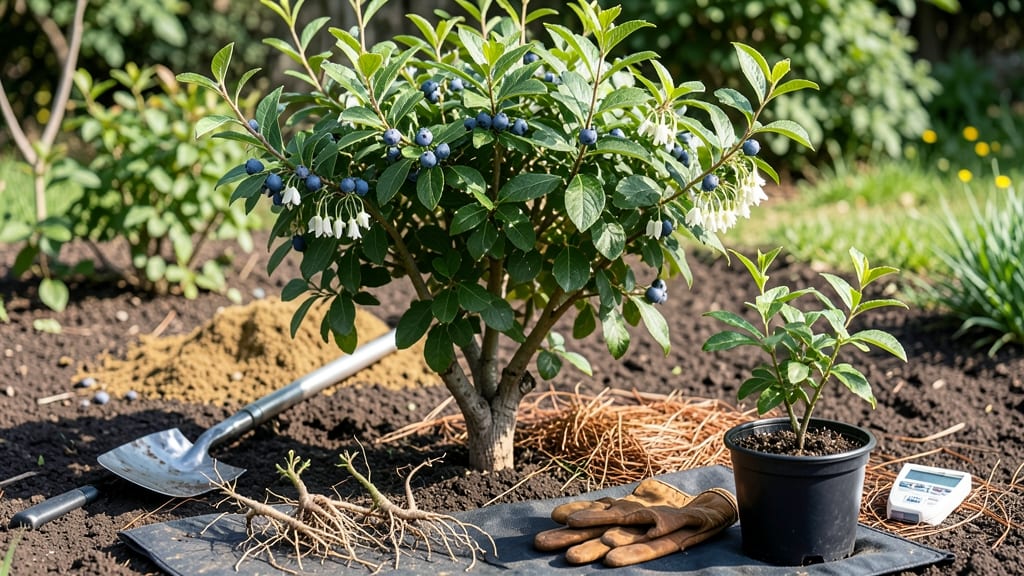
Planting blueberries 🫐 in Wisconsin isn’t just about grabbing a shrub and sticking it in the ground—it’s about catching the perfect window between frost and warmth, or risk losing your whole crop to a late freeze.
With Wisconsin’s USDA zones 4b-6a bringing everything from brutal winters to unpredictable springs, timing matters more than you’d think. Get it wrong, and you’ll either have stunted bushes or berries that never ripen. But nail it, and you’ll be harvesting sweet, plump 🫐 by next summer.
I’ve dug into the data—chill hours, frost-free dates, and soil temps—to give you the exact planting deadlines for your corner of the state. Whether you’re in chilly northern Wisconsin or milder southern regions, you’ll know precisely when to dig in for the best results.
Ready to turn your backyard into a blueberry patch? Let’s break down the science—and the shortcuts—so you can plant with confidence, no matter where you live in the Badger State.
Wisconsin blueberry planting deadlines by hardiness Zone (chill hours & frost-free dates)
Wisconsin spans USDA zones 3b to 6a, meaning your blueberry planting window varies dramatically from northern Eau Claire (Zone 4b) to southern Milwaukee (Zone 6a). The key factors are chill hours (400–1,000 hours below 45°F) and last frost dates, which can shift by weeks between regions.
Plant too early, and your young bushes face frost damage; too late, and they struggle to establish roots before winter.
Most Wisconsin gardeners aim for late April to early June for spring planting, but fall planting (September–October) works in warmer southern zones. Northern zones (4b–5a) often prefer fall planting to avoid spring frost risks.
Let’s break down your exact planting window by zone, including critical chill hour requirements and frost-free deadlines.
📋 Wisconsin Blueberry Planting Deadlines by Zone
| Zone | Avg. Last Frost | Chill Hours Needed | Spring Planting Window | Fall Planting Window |
|---|---|---|---|---|
| 3b–4a (Northern WI: Superior, Rhinelander) | May 15–20 | 800–1,000 hrs | Late May–early June | September 1–15 |
| 4b–5a (Central WI: Madison, Wausau) | May 1–10 | 600–800 hrs | Mid-April–May 15 | September 15–October 1 |
| 5b–6a (Southern WI: Milwaukee, Kenosha) | April 15–May 1 | 400–600 hrs | Late March–April 30 | October 1–15 |
💡 Pro Tip: Use local frost date maps from the UW Extension or Old Farmer’s Almanac for your exact county.
For Zone 3b–4a, where winters are harshest, fall planting (September) gives roots time to establish before dormancy. In Zone 5b–6a, you can plant as early as late March, but avoid planting if soil temps are below 40°F—roots won’t develop properly.
Always check soil temperature with a probe; it should be at least 45°F for spring planting.
If you’re in Zone 4b–5a, like Madison or Wausau, late April to early May is ideal for spring planting. But watch for late frosts—they can kill young shoots. A frost cloth or row cover can buy you 2–3 extra weeks of protection if needed.
For fall planting, aim for 6–8 weeks before your first frost (usually September 15–October 1).
In southern Wisconsin (Zone 5b–6a), where springs arrive earlier, you can plant as soon as soil is workable in March. However, early blooms in spring (March–April) risk frost damage to flowers.
Choose late-blooming varieties like ‘Bluegold’ or ‘Jersey’ to avoid this. For container growers, extend your season by planting in May—containers warm up faster and can be moved to sheltered spots.
One common mistake? Planting too late in spring and hoping for root establishment before winter. If you miss the June 1 deadline in northern zones, wait for fall (September).
The root zone must harden off before winter; otherwise, your bush may heave out of the ground or suffer winter kill. Always mulch heavily (4–6 inches) with pine straw or wood chips after planting to insulate roots.
For container gardening, timing is even more flexible—just ensure drainage holes and acidic potting mix (pH 4.5–5.5). You can plant up to July 1 in containers, as they warm up faster and can be moved indoors if needed.
However, fall-planted containers still need 6–8 weeks to establish roots before frost.
Use this 3-step checklist to time your planting perfectly:
- Check chill hours for your variety (match to zone).
- Verify last frost date (UW Extension is your best source).
- Test soil temperature—it must be 45°F+ for spring planting.
🌱
How to adjust planting timing for Wisconsin’s unpredictable weather patterns
Wisconsin’s weather is famously finicky—one week you’re shoveling snow, the next you’re swatting away bees from blooming bushes. That unpredictability makes blueberry planting timing a high-stakes game.
The key? Flexibility. If you plant too early, a late frost will fry your young shrubs. Too late, and your bushes won’t establish roots before winter.
I’ve learned the hard way that soil temperature matters just as much as air temperature. Blueberries need the ground to warm to at least 40°F (4°C) before planting. Use a soil thermometer—they’re cheap and save you from guessing.
In northern Wisconsin, this often means waiting until late May or early June, while southern regions can plant as early as mid-April.
Here’s my pro tip: Fall planting (September-October) is actually ideal in many Wisconsin zones. The roots establish over winter, and by spring, your bushes are already 6-12 inches tall and ready to fruit. It’s a hack I swear by for zones 5a-6a, where winters are long but not brutal.
- 1. Use black plastic mulch in spring to warm soil 5-10°F faster than bare earth. Cut holes for stems after planting.
- 2. Go container-grown for extended seasons. Pots warm up faster in spring and can be moved to sheltered spots if frost threatens.
- 3. Row covers (lightweight fabric) can add 2-4 weeks of frost protection. Secure them with U-clips and remove when flowers appear.
- 4. Plant near a south-facing wall to create a microclimate that stays 5-10°F warmer than open areas.
- 5. Monitor the 10-day forecast before planting. If freeze warnings pop up, delay by 2-3 weeks—your bushes will thank you.
One mistake I see often? Planting bare-root blueberries too late in spring. These need to establish roots before summer heat hits. If you’re buying potted plants, they’re more forgiving—plant them anytime the soil is workable, even into early June.
For northern Wisconsin (zones 4a-4b), I recommend holding off until after Memorial Day unless you’re using row covers. In southern Wisconsin (zones 5a-6a), you can plant as early as late April, but watch for those sneaky April frosts—they’re legendary here.
Remember: Blueberries are resilient, but they’re not invincible. Give them the right timing, and you’ll be rewarded with years of harvests—not to mention the joy of watching those 🫐 clusters turn from pink to deep blue every summer. Now go dig in!