
Plants
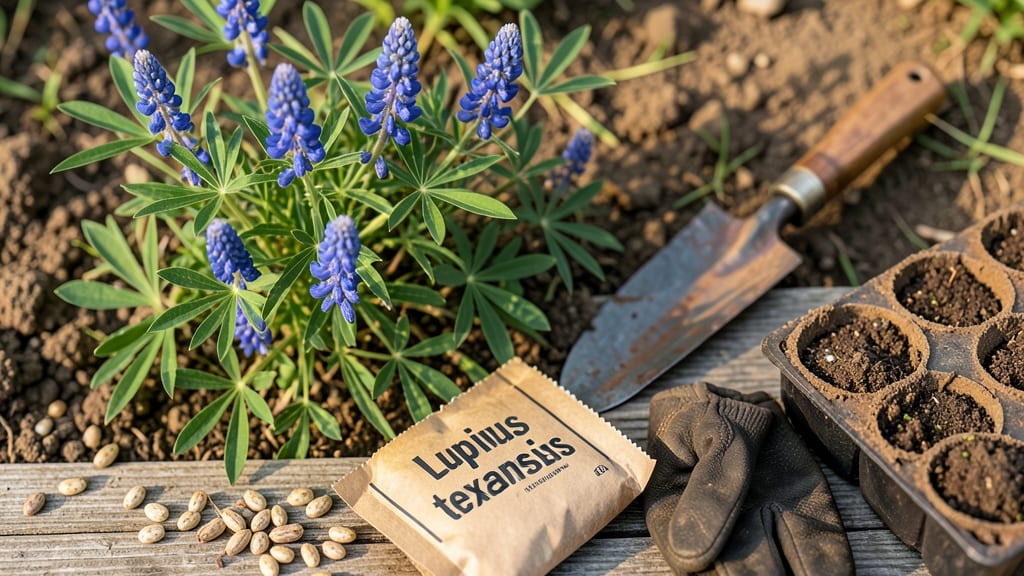
Planting bluebonnet seeds at the wrong time in North Texas can mean waiting years for those signature blue blooms to appear—but there’s a 6-week window when success is almost guaranteed.
If you’ve ever driven through the Texas Hill Country in spring and marveled at fields of 🌸 bluebonnets, you know they’re worth the effort. The key isn’t just when to plant—it’s understanding how North Texas’s 8a climate and seasonal shifts create the perfect conditions for germination.
Most gardeners assume spring is the best time, but that’s actually when seeds struggle to establish roots before summer’s brutal heat. Instead, late fall—between September and October—gives bluebonnets the head start they need to thrive.
I’ll walk you through the exact timing, soil prep, and care tips to turn your North Texas landscape into a springtime bluebonnet paradise—without the guesswork. Let’s get started.
Optimal late fall planting window for bluebonnets in North Texas
North Texas bluebonnets (Lupinus texensis) thrive when planted during a 6-week window from mid-October to mid-November. This timing ensures seeds germinate before winter rains arrive, avoiding rot while taking advantage of cooler soil temperatures (50–65°F).
In Dallas-Fort Worth, aim for October 15–November 1, while rural areas like Waco or Abilene can extend planting until November 15 due to slightly cooler microclimates.
Why late fall? Bluebonnets need chill stratification—a natural cold period—to break seed dormancy. Planting too early (September) risks premature germination from summer heat, while waiting until December may leave seeds exposed to harsh freeze-thaw cycles.
The first frost date (around November 15) signals the ideal cutoff for most of North Texas.
For urban gardens with heat islands, plant on the earlier side (late October) to avoid soil warming from pavement. In contrast, rural fields with better airflow can handle mid-November plantings. Always check your local USDA Zone 8a frost data—November 1 is a safe middle ground for most regions.
Pro tip: Use a soil thermometer to confirm 55–65°F soil temps at 2-inch depth before planting. If temps dip below 50°F, delay until conditions stabilize. This simple check prevents wasted seeds and ensures strong root development before winter.
If you miss the fall window, spring planting (February–March) is possible but less reliable. Seeds planted in spring lack the natural chill period, often resulting in sparser blooms. For best results, stick to fall—this is when bluebonnets establish deep roots before their spring bloom spectacle.
North Texas’ variable rainfall adds another layer. Plant during a dry spell (check NOAA forecasts) to prevent seeds from washing away. If rain is forecasted, create shallow furrows (1/4-inch deep) to hold seeds in place until soil stabilizes.
Remember: Bluebonnets are perennials, meaning they’ll return year after year if planted correctly. The first year may be modest, but with proper fall timing, you’ll see vibrant blue carpets by March or April. Patience pays off—these Texas state flowers reward precise planning with unmatched beauty.
For large-scale plantings (e.g., roadside medians), consider hydroseeding with bluebonnet seeds mixed into a slurry. This method ensures even distribution and better soil contact, critical for high-density plantings common in North Texas landscapes.
Optimal late fall planting window for bluebonnets in North Texas
North Texas bluebonnets (🌸 Lupinus texensis) thrive when planted during a 6-week window between mid-October and early November. This timing aligns with cooler soil temperatures (60-70°F) and natural rainfall patterns, giving seeds the best chance to germinate before winter dormancy.
Missing this window risks poor germination or seedlings struggling with summer heat.
For Dallas-Fort Worth metro areas, aim for late October when daytime highs drop below 80°F. In rural areas like the Texas Hill Country, where nights cool faster, you can extend planting until mid-November.
Always check your local first frost date (typically November 15) to avoid planting too late.
Soil moisture is critical—bluebonnets need consistent dampness for germination. Plant after 1-2 inches of rain or water thoroughly post-planting. In drought-prone years, consider irrigation scheduling to maintain moisture until seeds sprout (2-4 weeks).
🌱 Bluebonnet Planting Timeline for North Texas
| Stage | Action | Ideal Timeframe |
|---|---|---|
| Soil Prep | Test pH (6.0-7.0), loosen clay | Late September |
| Seed Planting | Scatter seeds on bare soil | Mid-October to Mid-November |
| Germination | Keep soil moist (no flooding) | 2-4 weeks post-planting |
| Winter Dormancy | Minimal care; protect from frost | December-February |
| Spring Blooms | Full sun, light watering | March-May |
Urban gardeners in cities like Plano or Arlington may face compacted soil or limited sunlight due to buildings. Test soil depth with a trowel—seeds need at least 6 hours of sun daily.
If your yard is shady, consider container planting with south-facing exposure. Rural areas with open fields can plant directly into native soil with minimal prep.
Avoid planting in August or September—summer heat causes seeds to dry out before germinating. Similarly, December plantings risk frost damage to tender seedlings. For best results, mark your calendar for October 15-31 as your prime planting window across most of North Texas.
Pro tip: Mix bluebonnet seeds with native wildflower seeds (like Indian paintbrush) for a more diverse meadow. Just ensure all seeds share similar light and moisture needs to avoid competition. 🌿