
Plants
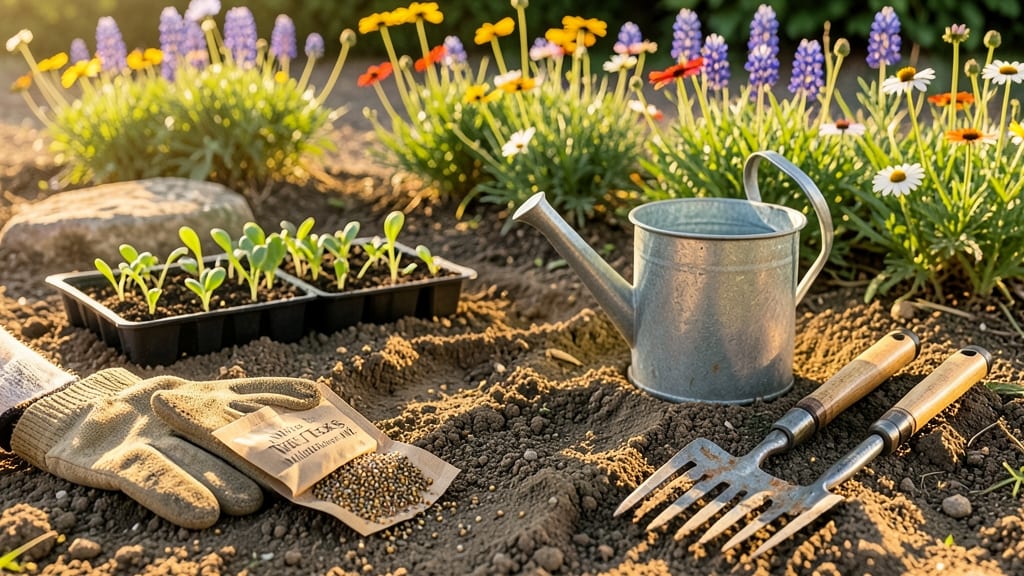
Planting wildflower seeds in Texas at the wrong time can mean the difference between a vibrant meadow bursting with color and a sad, wilted disappointment. The key isn’t just avoiding frost—it’s understanding how Texas’ extreme heat zones dictate the perfect window for success.
Whether you’re in North Texas where frost lingers until mid-January or South Texas where the ground stays warm year-round, timing matters more than you might think. Fall planting often yields the best results, but even spring has its secrets for native species like bluebonnets and Indian paintbrush.
I’ll walk you through the science-backed planting calendar tailored to your heat zone, so you can skip the guesswork and enjoy wildflowers blooming from spring to fall. No more wasted seeds or missed opportunities—just beautiful, thriving 🌼 displays that make Texas landscapes shine.
Ready to transform your yard into a pollinator paradise? Let’s dive into the exact months and methods that work best for your corner of the Lone Star State.
Texas wildflower planting calendar by heat Zone (avoid frost & beat the heat)
Texas’ 10 distinct heat zones (A1–B3) create wildly different planting conditions—from freezing North Texas winters to tropical South Texas summers. The key? Planting when soil temps hit 60°F+ and avoiding extreme heat spikes that can bake seeds before germination.
Most Texas wildflowers, like bluebonnets and Indian paintbrush, thrive when sown 6–8 weeks before first frost or after last frost in spring.
For North Texas (Zones 7a–8a), aim for September–October (fall) or March–April (spring). In Central Texas (Zones 8a–9a), extend your window to October–November or February–March. South Texas (Zones 9a–10a) gardeners can plant almost year-round, but September–October and February–March offer the best balance of moisture and moderate temps.
Pro tip: Use Texas A&M’s heat zone map to pinpoint your exact planting window. For example, Austin (Zone 8b) has a last frost date of February 15, while El Paso (Zone 7b) can see frost until January 15. Planting too early in Zone 8b+ risks seed rot from lingering moisture, while waiting too long in Zone 7a means scorching heat by May.
Here’s your heat zone-specific planting guide, including ideal soil temps, bloom cycles, and native species that thrive in each zone:
| Heat Zone | Last Frost Date | Best Planting Window | Ideal Soil Temp | Top Wildflowers |
|---|---|---|---|---|
| A1 (North TX: Amarillo) | January 15 | September 15–October 31 | 60–70°F | Bluebonnets, Prairie Verbena |
| A2 (North TX: Dallas) | January 20 | September 1–October 15 | 60–75°F | Indian Paintbrush, Blackfoot Daisy |
| B1 (Central TX: Austin) | February 15 | October 1–November 15 | 65–80°F | Mexican Feathergrass, Winecups |
| B2 (South TX: San Antonio) | December 15 | September 15–November 30 | 70–85°F | Coreopsis, Salvia |
| B3 (Deep South TX: Brownsville) | December 1 | Year-round (best Sept–March) | 75–90°F | Lantana, Zinnias |
Notice how South Texas (B3) allows year-round planting, while North Texas (A1) demands precise fall timing to avoid winter freezes. Even in Zone 8b+, planting in late spring (May–June) risks heat stress—seeds may germinate but wilt before establishing roots.
Always check your local Almanac frost dates for the most accuracy.
For spring planting, wait until soil temps stabilize above 60°F (use a soil thermometer to confirm).
In North Texas, this typically means March 15+, while Central Texas can start as early as February 1. South Texas gardeners can push into January for early blooms, but be prepared for unpredictable rains that can wash out seeds.
One common mistake is assuming “Texas heat = instant growth”. Without proper soil prep (like compost amendments for sandy soils), seeds may sprout weakly or fail entirely. Bluebonnets, for example, need well-draining soil—if your area floods easily, opt for upland species like coreopsis or salvia.
To maximize blooms, pair your planting with mulching (straw or pine needles) to retain moisture and cool soil. In Zone 9a+, shade cloth during peak summer (June–August) can protect new seedlings from 100
Best wildflower seed types for Texas planting seasons (spring vs. fall strategies)
Texas wildflowers thrive when planted at the right time, but choosing the right species for your planting season makes all the difference. Spring and fall offer distinct advantages—spring gives you a head start on blooms, while fall ensures roots establish before summer’s brutal heat.
Let’s break down the best seed types for each season and how to match them to your Texas heat zone.
For spring planting (March–May), focus on fast-growing annuals like cosmos and zinnia, which tolerate Texas’ early heat spikes. These varieties bloom quickly, giving you color by summer.
However, they may not survive the intense 100°F+ temperatures that hit later in the year. Pair them with black-eyed Susans or Mexican hat for longer-lasting displays.
Fall planting (September–November) is ideal for native perennials like bluebonnets and Indian paintbrush, which need cooler temps to germinate. These species store energy over winter and burst into color the following spring. Fall also lets seeds establish deep roots before summer’s drought, making them more resilient.
If you’re in South Texas (Zone 9–10), you can even plant some varieties year-round, thanks to the mild winters.
Spring vs. Fall Wildflower Planting Guide
Spring Planting
- Best Species: Cosmos, Zinnia, Black-Eyed Susan
- Pros: Fast blooms, vibrant colors
- Cons: Short-lived, may fade in extreme heat
Fall Planting
- Best Species: Bluebonnets, Indian Paintbrush, Coreopsis
- Pros: Longer lifespan, drought-resistant
- Cons: Slower germination, needs cooler temps
Your local rainfall patterns also play a critical role. In East Texas (higher humidity), opt for moisture-loving species like Mexican feather grass or salvia, while West Texas (drier climates) benefits from seeds like prickly poppy or evening primrose, which thrive with minimal water.
Always check seed packets for drought tolerance ratings—this ensures your wildflowers survive Texas’ unpredictable weather.
If you’re unsure which seeds to pick, start with a native wildflower mix. These blends are pre-tested for Texas conditions and often include a variety of heights and bloom times for a long-lasting display. Look for mixes labeled “Texas Native” or “Drought-Tolerant” to guarantee success.
For example, a mix of bluebonnets, wild indigo, and gaillardia will give you a stunning palette of blues, purples, and reds that pollinators can’t resist.
Pro tip: Pre-soak larger seeds like bluebonnets for 24 hours before planting to improve germination rates. For tiny seeds, simply scatter them on the soil surface and press lightly with a rake.
Avoid burying them—most wildflower seeds need light to germinate. Once planted, keep the soil consistently moist (but not soggy) for the first 2–3 weeks to encourage sprouting.
With the right seeds and timing, your Texas wildflower garden will become a pollinator magnet and a year-round spectacle. Whether you’re in freeze-prone North Texas or tropical South Texas, these strategies ensure your wildflowers will thrive—and so will you! 🌻