
Plants
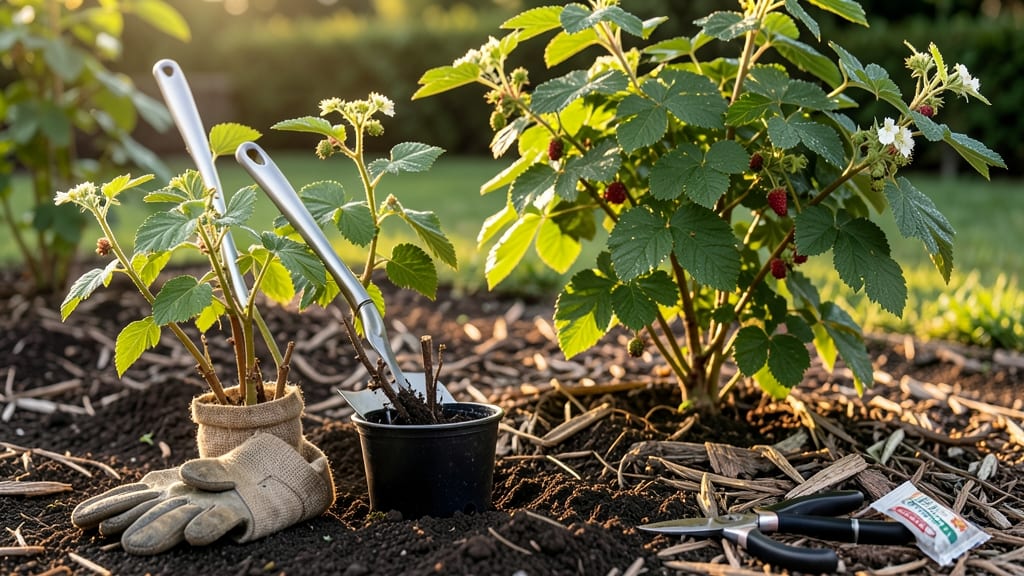
Planting blackberries at the wrong time in North Carolina can mean the difference between a bountiful harvest and wasted effort. Whether you're working with bare-root canes or potted plants, timing is everything—especially when matching your variety to NC's unique chill-hour zones.
I've learned the hard way that even the hardiest 🫐 varieties need the right conditions to thrive. The best planting windows in NC—late winter to early spring or fall—align with soil temperatures and frost patterns that give your canes the strongest start.
Let me walk you through the exact schedule for your region, so you can avoid common mistakes that derail even the most eager gardeners.
You'll discover how to prep your soil, choose the right maturity stage for your plants, and even troubleshoot issues like poor fruiting or pest pressure before they become problems. By the end, you'll have a clear, region-specific plan that maximizes your chances of success.
Ready to grow blackberries that produce like crazy? Let's get started with the planting timeline that works for NC's climate—no guesswork, just results.
North Carolina chill-hour zones: matching blackberry varieties to your location
North Carolina spans three distinct chill-hour zones, each requiring different blackberry varieties to thrive. Chill hours—the number of hours below 45°F—determine whether your plants will produce fruit. For example, Coastal NC (Zone 8a) averages 400-600 chill hours, while the Mountains (Zone 6a) see 1,000+ hours.
Planting the wrong variety in your zone can lead to poor flowering or no fruit at all.
Use the USDA Plant Hardiness Zone Map to find your exact chill-hour range. For instance, Asheville (Zone 7a) has 800-900 chill hours, while Wilmington (Zone 8b) has only 500-600 hours.
Microclimates—like frost pockets in valleys or urban heat islands—can also shift chill-hour calculations by 100+ hours. Always verify with local NC State Extension data for precision.
Blackberries fall into two main types: floricane (summer-bearing) and primocane (everbearing). Floricane varieties, like Natchez or Chester, need 500+ chill hours to produce fruit on second-year canes.
Primocane types, such as Apache or Ouachita, fruit on first-year canes and tolerate 300-600 chill hours. Matching your variety to your zone ensures maximum fruit production.
🌱 Did You Know? North Carolina’s Piedmont region (Zone 7a/b) is the sweet spot for floricane varieties, while Coastal areas (Zone 8a/b) thrive with primocane types. The Mountains (Zone 6a/b) can grow both, but floricane varieties often outperform there.
| Zone | Chill Hours | Best Varieties | Notes |
|---|---|---|---|
| Coastal (8a/b) | 400-600 | Apache, Ouachita, Arapaho | Primocane types; heat-tolerant. |
| Piedmont (7a/b) | 600-900 | Natchez, Chester, Triple Crown | Floricane types; high yield. |
| Mountains (6a/b) | 900-1,200 | Chester, Triple Crown, Black Satin | Cold-hardy; thrives in higher elevations. |
When selecting varieties, prioritize disease resistance, especially in NC’s humid climate. For example, Natchez resists anthracnose, while Apache tolerates armillaria root rot. Always buy certified disease-free plants from reputable nurseries like Johnny’s Selected Seeds or Bare Root Nursery to avoid introducing pathogens to your garden.
Soil pH also plays a critical role in chill-hour adaptation. Most blackberries prefer acidic soil (pH 5.5-6.5). If your soil tests higher, amend it with elemental sulfur or peat moss before planting.
In Coastal NC, where soil pH can exceed 7.0, failing to acidify the soil can stunt cane growth by 30% or more.
For fall planting (August-September), focus on primocane varieties like Arapaho, which establish roots quickly in warm soil. In contrast, spring planting (February-April) works best for floricane types, giving canes 6-8 weeks to root before summer heat arrives. Always plant when soil temperatures exceed 50°F to avoid root rot.
Use mulch (straw or wood chips) to protect roots from temperature swings. In Mountain zones, mulch retains heat during daytime chill events (temperatures dropping below 45°F during the day). In Coastal zones, mulch insulates roots from warm nights, which can delay dormancy and reduce chill-hour accumulation.
Finally, monitor your blackberries’ cane maturity after planting. Healthy canes should grow 12-18 inches by June in Piedmont zones and 8-12 inches in Coastal zones. If growth stalls, check for nutrient deficiencies (yellow leaves) or pest damagenext-year fruiting.
By matching your blackberry variety to your chill-hour zone and preparing your soil and microclimate, you’ll set the stage for abundant harvests—no matter where in NC you garden. 🌿
Optimal planting windows in NC: month-by-month timeline for maximum cane growth
North Carolina’s diverse climate means your blackberry planting window depends heavily on your region. In the Coastal Plain, mild winters allow for fall planting (August-September), while the Mountains require late winter/early spring (February-April) to avoid frost damage.
The Piedmont falls somewhere in between, with both windows viable but spring often preferred.
Soil temperature is your best guide: Aim for 45-55°F at planting time. Use a soil thermometer to check—cold soil stresses roots, while warm soil (above 60°F) can cause rapid growth before canes harden for winter.
In the Mountains, wait until after the last expected frost (March 15+), while Coastal areas can plant as early as mid-August for fall establishment.
For bare-root plants, soak roots in water for 2-4 hours before planting to rehydrate. Dig holes twice as wide as the root ball but only as deep—planting too deep suffocates roots.
Amend soil with compost and a balanced fertilizer (10-10-10) to kickstart growth. Space canes 4-6 feet apart in rows 8-10 feet apart for airflow and trellising.
- 🌱 August-September (Coastal Plain/Piedmont): Plant bare-root or potted blackberries. Soil temps should be 60-70°F.
- 🌿 Late February-March (Mountains/Piedmont): Wait until soil warms to 45-55°F and frost risk passes.
- ✂️ April (All Regions): Prune canes to 12 inches tall after planting to encourage bushier growth.
- 💧 May-June: Water deeply 2-3x/week to establish roots before summer heat.
- 🌡️ July-August: Monitor for thrips or spider mites—spray neem oil if needed.
Post-planting care makes or breaks your first-year success rate. Mulch with 3-4 inches of wood chips to retain moisture and suppress weeds, but keep mulch 6 inches away from canes to prevent rot.
In summer-bearing varieties, new canes (primocanes) grow aggressively—prune them back by ⅓ in mid-summer to redirect energy to fruit production next year.
Fall-planted blackberries need extra winter protection. After the first frost, pile 6-12 inches of straw or leaves around the base to insulate roots. In Zone 7a and colder (Mountains), consider row covers for early spring protection.
By late winter, remove mulch and inspect canes for winter dieback—prune dead sections before new growth begins in March-April.
Pro tip: Use NC State Extension’s frost calendar to track your local frost dates. For example, Asheville (Zone 7a) has a last frost around April 15, while Wilmington (Zone 8b) rarely sees frost after January 15.
Adjust your planting window accordingly to avoid late-spring frosts that can kill tender new growth.