
Plants
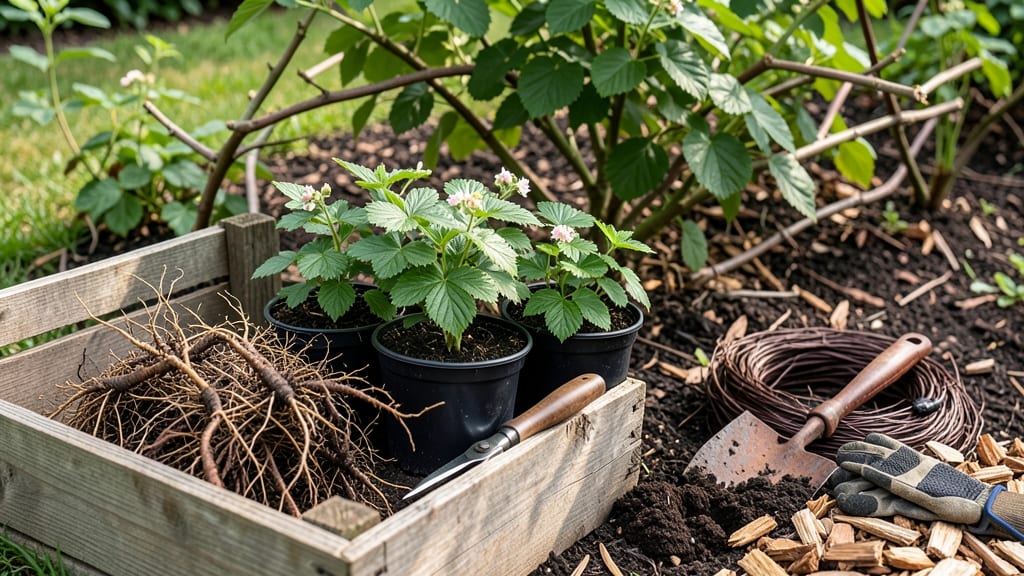
Planting blackberries at the wrong time in Virginia can mean the difference between a bountiful harvest and wasted effort. The chill-hour requirements of your chosen variety—along with Virginia’s 6a-8a zones—dictate the perfect window, whether it’s late winter or early fall.
Most gardeners in Virginia swear by planting in February-April or September-October, but timing isn’t just about the calendar—it’s about soil temperature and frost risk. A late spring planting could leave your 🫐 canes vulnerable to cold snaps, while fall plantings need to establish roots before winter sets in.
I’ve seen firsthand how a well-timed planting transforms a struggling patch into a thriving blackberry thicket. The key? Matching your variety to your zone, preparing the soil right, and avoiding common mistakes that trip up even experienced growers.
Ready to grow blackberries that produce year after year**? Let’s break down the exact steps for Virginia’s climate, from soil prep to frost protection—so you can enjoy those juicy berries from June to August without the guesswork.
Virginia’s chill-hour zones and best blackberry varieties for each
Virginia’s diverse climate—spanning USDA Zones 6a to 8a—creates unique challenges for blackberry growers. The state’s chill-hour requirements (500–1,000 hours below 45°F) dictate which varieties thrive in your area.
For example, Northern Virginia (Zone 7a) needs varieties like 'Chester', while Southeastern Virginia (Zone 8a) can handle 'Natchez', a primocane-bearing type that produces fruit on new growth.
Choosing the right variety isn’t just about chill hours—it’s also about heat tolerance and disease resistance. Southern Virginia’s warmer winters favor thornless varieties like 'Ouachita', which ripens earlier and avoids spring frost damage.
Meanwhile, the Piedmont region (Zone 7b) benefits from 'Arapaho', a hardy, high-yielding variety that handles Virginia’s humid summers.
Timing your planting to align with chill hours is critical. Early spring (March–April) is ideal for floricane varieties (like 'Chester'), while late summer/fall (August–September) suits primocane varieties (like 'Natchez'), giving roots time to establish before winter. Planting too early risks frost damage, while late planting may stunt root growth.
🌱
| Chill-Hour Zone | Best Varieties | Planting Window | Key Notes |
|---|---|---|---|
| 500–700 hrs (Zone 6a) | 'Chester', 'Triple Crown' | March–April | Cold-hardy, thorny |
| 700–900 hrs (Zone 7a–7b) | 'Natchez', 'Arapaho' | August–September | Thornless, primocane-bearing |
| 900–1,000+ hrs (Zone 8a) | 'Ouachita', 'Apache' | September–October | Heat-tolerant, early ripening |
For Northern Virginia gardeners, prioritize varieties that handle late spring frosts. 'Chester' thrives here but needs trellising to support its heavy canes. In contrast, Coastal Virginia’s milder winters make 'Natchez' a standout—its primocane fruiting extends harvests into early fall, avoiding summer’s peak humidity.
Soil preparation varies by region too. Sandy soils in the Tidewater area require organic matter amendments (like compost), while clay-heavy Piedmont soils benefit from gypsum to improve drainage. Test your soil’s pH (5.5–6.5) before planting—blackberries are acid-loving and won’t thrive in alkaline conditions.
🌿
Pro tip: Mulch heavily after planting to retain moisture and regulate soil temps. Use straw or wood chips (avoid grass clippings, which can introduce weeds). In Zone 8a, mulch also protects roots from heat stress during Virginia’s humid summers.
Pair this with drip irrigation to deliver water directly to roots, reducing fungal risks.
Finally, prune strategically based on your variety. Floricane types (like 'Chester') need winter pruning to remove old canes, while primocane types (like 'Natchez') require summer pruning to encourage fruit-bearing canes. Mispruning can reduce yields by 50%—so study your variety’s growth habit first!
✂️
Step-by-step planting timeline for Virginia’s climate zones
Virginia’s varied climate—from the Coastal Plain to the Piedmont and Mountains—means blackberry planting windows shift by region. In USDA Zones 6a-8a, your best bet is late winter to early spring (February–April) or fall (September–October).
But timing isn’t just about the calendar; it’s about soil temperature, frost risk, and cane dormancy. Let’s break it down by month and microclimate.
For spring planting, wait until soil temperatures reach 50°F (10°C)—usually mid-March in the Tidewater region but late March to early April in the Blue Ridge Mountains.
Fall planting, however, should happen 6–8 weeks before your first frost (aim for September–early October). This gives roots time to establish before winter dormancy sets in.
📅 Step-by-Step Planting Timeline for Virginia
- Late Winter (Feb): Prepare planting beds by amending soil with compost and peat moss to lower acidity (ideal pH 5.5–6.5). In colder zones (6a), delay planting until soil thaws.
- Early Spring (Mar–Apr): Plant bare-root canes in well-draining soil, spacing them 4–6 feet apart. Mulch with straw or wood chips to retain moisture and suppress weeds. Water deeply after planting.
- Spring (Apr–May): Install trellis supports as new canes emerge. Prune dead or damaged canes to encourage healthy growth. Fertilize with a balanced 10-10-10 mix when leaves appear.
- Summer (Jun–Aug): Monitor water needs (deep soak 1–1.5 inches weekly). Watch for Japanese beetles or spider mites—treat early with neem oil if spotted.
- Fall (Sep–Oct): Plant fall varieties (like ‘Natchez’) after harvest. Apply a light fertilizer in late summer to prep for winter. Mulch heavily to protect roots from freezing.
- Winter (Nov–Feb): Avoid pruning or fertilizing. Use row covers in Zone 6a to shield canes from hard frosts below 15°F (-9°C).
Pro tip: In Zone 8a (southern Virginia), you can extend fall planting into early November if temperatures stay mild. But in Zone 6a (northern Virginia), rush planting in October risks frost damage before roots establish. Always check your local frost dates—the Virginia Cooperative Extension has a great [frost map](https://www.vdacs.virginia.gov/) for reference.
Microclimate matters: Coastal areas (like Norfolk) have warmer winters, so you can plant 2–3 weeks earlier than inland zones. Meanwhile, the Appalachian foothills may need late-April starts to avoid late-spring frosts. Adjust your timeline based on elevation and wind exposure—wind can dry out young canes faster.
After planting, consistent moisture is critical. Blackberries hate waterlogged soil but also drought stress. Use drip irrigation to deliver water slowly at the base of plants, avoiding wetting leaves (which invites fungal diseases like anthracnose). In summer heat, water early in the morning to reduce evaporation.
By following this timeline, your blackberries will establish strong root systems before Virginia’s humid summers or freezing winters stress them out. Patience pays off—first-year canes won’t fruit, but with proper care, you’ll see abundant harvests by Year 2 or 3. 🌱