
Plants
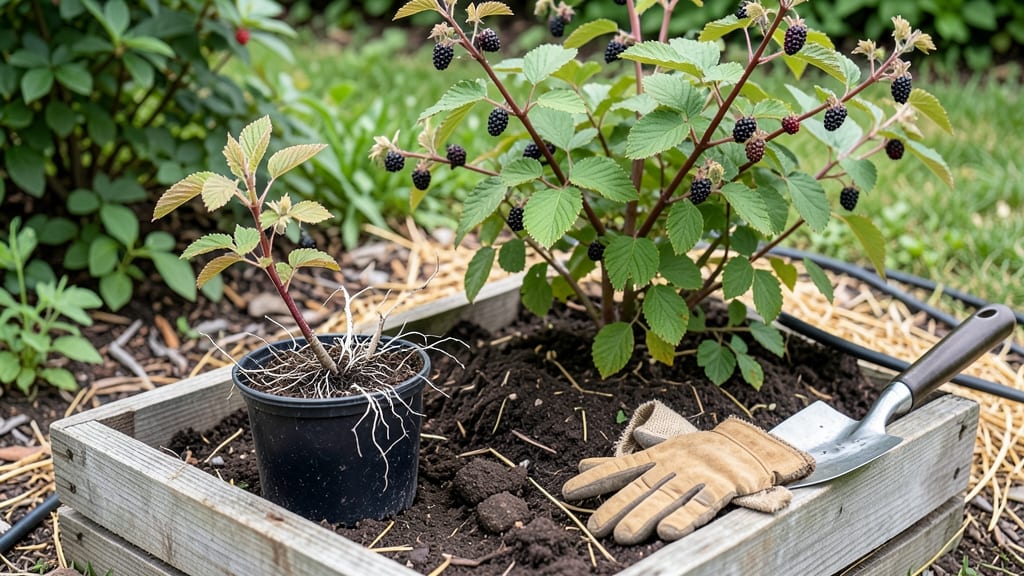
Planting blackberries in Ohio at the wrong time can mean struggling canes and a disappointing harvest—so timing is everything for your 🫐 bushes to thrive. With Ohio’s unpredictable frost dates and USDA Zone 6a climate, knowing when to plant makes the difference between strong root growth and wasted effort.
Most gardeners swear by early spring planting (March–April) after the last frost, but fall (September–October) can also work if you act fast. The key is getting those roots established before winter’s chill sets in—whether you’re working with bare-root plants or potted varieties.
In this guide, I’ll break down Ohio’s best planting windows, soil prep tips, and how to protect your blackberries from early frosts. You’ll learn exactly when to plant for maximum success, plus which varieties handle Ohio’s climate best.
Ready to grow juicy, bountiful blackberries? Let’s get those canes in the ground at the perfect time—before frost ruins your plans.
Ohio’s best planting windows for blackberries: month-by-month frost risk guide
Ohio’s USDA Zones 5-7 create a unique challenge for blackberry growers—late spring frosts can damage tender new growth, while early fall freezes limit root establishment.
The key is planting when soil temperatures stay above 60°F and frost risk drops below 10%, giving your canes time to root before winter.
For Ohio gardeners, the ideal planting windows are early spring (March-April) or early fall (September-October). Spring planting lets canes establish roots before summer heat, while fall planting avoids summer stress and gives roots a head start before dormancy.
Northern Ohio’s Zone 5 has stricter timing than southern Ohio’s Zone 7, so adjust accordingly.
Visual Element: Summary Table
| Planting Window | Soil Temp | Frost Risk | Ohio Region | Key Consideration |
|---|---|---|---|---|
| Early Spring (March-April) | 60°F+ | Low (post-last frost) | All regions | Plant after April 15 in northern Ohio |
| Late Spring (May) | 65°F+ | Very low | Southern Ohio | Risk of summer drought; water deeply |
| Early Fall (September) | 60°F+ | Moderate (pre-first frost) | All regions | Plant by September 15 in northern Ohio |
| Late Fall (October) | 50°F+ | High (frost likely) | Southern Ohio only | Only for established canes; new plants may not survive |
In northern Ohio (Zones 5-6), aim for March 15-April 15 in spring or September 1-15 in fall. Southern Ohio gardeners have more flexibility, with April 1-May 15 for spring and September 15-October 1 for fall.
Always check your local frost date averages—Ohio’s last frost can vary by 2-3 weeks between regions.
Bare-root blackberries are cheaper and easier to plant in early spring, while potted plants offer more flexibility for fall planting. If you choose potted plants, remove them from containers before planting to prevent root girdling as they establish.
For both methods, soak roots in water for 1-2 hours before planting to reduce transplant shock.
Ohio’s humid summers can stress young blackberry canes, so prioritize planting when soil moisture is stable. Avoid planting during drought conditions or when heavy rains are forecasted, as both can hinder root establishment.
If you miss the ideal windows, container growing is a great backup—just move pots to a sheltered location during winter.
One critical Ohio-specific tip: Mulch heavily after planting to protect roots from temperature swings. Use 4-6 inches of straw or wood chips and keep it 2-3 inches away from cane bases to prevent rot. This is especially important in Zone 5, where winters can be harsh.
For fall planting, focus on root development rather than top growth. Water deeply once a week until the first frost, then reduce to bi-weekly to harden off canes. Avoid fertilizing in fall—let the plant store energy for winter instead of encouraging new growth.
If you’re planting thornless varieties like ‘Natchez’ or ‘Arapaho’, timing is slightly less critical because their gentler canes handle transplanting better. However, all blackberries benefit from planting in cooler weather (below 80°F) to reduce stress.
Use a shade cloth if planting in late spring to protect young canes from Ohio’s intense summer sun.
Remember: Blackberries are perennial, so getting the timing right now means decades of harvests with minimal replanting. Take your time with soil prep and planting—rushed jobs lead to weak canes and poor yields.
With the right timing, your Ohio blackberry patch could be producing juicy berries for years to come!
Ohio’s best planting windows for blackberries: month-by-month frost risk guide
Ohio’s USDA Zones 5-7 create a unique challenge for blackberry growers—late spring frosts can delay planting, while early fall freezes cut short your window. The key is planting when soil temperatures stay above 60°F and roots can establish before winter dormancy.
For most of Ohio, this means early spring (March–April) or early fall (September–October), but timing shifts 10–14 days later in northern Ohio (e.g., Cleveland) versus southern Ohio (e.g., Cincinnati).
Spring planting is ideal because it gives canes 6–8 weeks of growth before winter. However, if you miss the spring window, fall planting works too—as long as you get plants in 4–6 weeks before the first frost.
In Ohio, that’s typically by mid-October in the south and early October in the north. The trade-off? Fall-planted canes need extra mulch protection to survive winter.
🌱 Did You Know? Ohio’s last frost date varies wildly—April 15 in Columbus but May 1 in Toledo—so check your local USDA frost map before buying plants. Planting too early risks root rot in cold, soggy soil, while waiting too long stunts early growth.
For bare-root blackberries, plant as soon as soil is workable—typically late March to early April in most of Ohio. If buying potted plants, wait until soil warms to 60°F (usually mid-April in the north, early April in the south).
Pro tip: Soak bare-root canes in water for 2–4 hours before planting to rehydrate roots and boost survival rates.
Northern Ohio gardeners (e.g., Toledo, Akron) should prioritize spring planting due to later frosts, while southern Ohio growers (e.g., Cincinnati, Dayton) can stretch planting into early May with minimal frost risk.
Always monitor weekly frost forecasts—a surprise freeze in April can devastate young canes if they’re not hardened off.
Timing isn’t just about frost—it’s also about soil moisture. Ohio’s clay-heavy soils can stay waterlogged in spring, so amend with compost or sand to improve drainage. If planting in fall, choose disease-resistant varieties like ‘Triple Crown’ to reduce winter rot risks from lingering moisture.
Once planted, mulch heavily with straw or leaves to insulate roots—this is critical for fall plantings. In spring, remove mulch in late winter to allow soil to warm faster. 🌿