
Plants
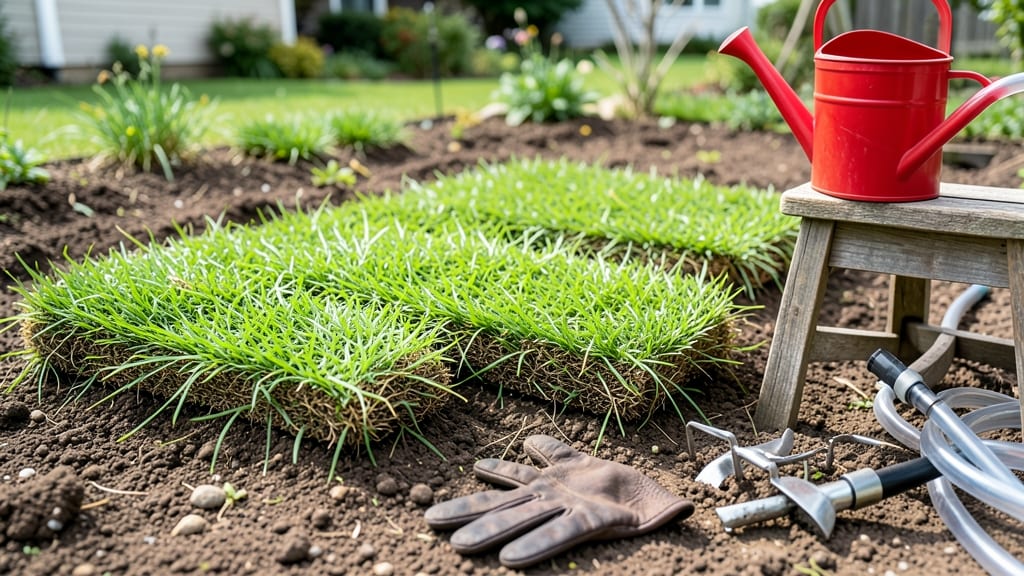
Planting Bermuda grass 🌱 at the wrong time in North Georgia can mean the difference between a vibrant, drought-resistant lawn and a frustrating, patchy mess.
The key isn’t just when you plant—it’s understanding the exact 4-6 week window before your last frost when soil temperatures hit that sweet spot of 70°F+ for deep root establishment.
If you’ve ever wondered why some neighbors’ lawns thrive while yours struggles, timing is usually the culprit. In zones 7a-8a, waiting too late means weak germination, while planting too early risks frost damage.
I’ll show you how to pinpoint your perfect window using local frost dates and soil cues—no guesswork required.
Let’s cut through the confusion. You’ll discover the ideal months for North Georgia (hint: it’s not just “spring”), how to prep your soil for maximum success, and why late May or early June often works best for most areas. Ready to transform your yard into a lush Bermuda grass oasis?
Whether you’re seeding or laying sod, these insights will help you avoid common pitfalls and get your lawn off to a strong start. Stick around—I’ll also share pro tips for handling North Georgia’s heat and humidity once your grass is in the ground.
North Georgia’s last frost dates and Bermuda grass planting timeline
Bermuda grass thrives in North Georgia’s warm climate, but planting too early or late can ruin your lawn. The key is timing it 4-6 weeks before your area’s last frost date, when soil temperatures consistently reach 70°F+.
In North Georgia’s USDA Zones 7a-8a, this typically means planting between mid-April and early June, depending on your exact location.
For example, Athens and Gainesville usually see their last frost around March 15, giving you a planting window from late April to early May. Meanwhile, Atlanta’s slightly later frost dates (around March 20) push the ideal window to late April to early June.
Always check local forecasts or your county’s University of Georgia Extension office for precise dates.
Here’s what you need to know about soil temperatures and planting windows:
| Location | Last Frost Date | Ideal Planting Window | Soil Temp Requirement |
|---|---|---|---|
| Athens | March 15 | Late April–Early May | 70°F+ |
| Atlanta | March 20 | Late April–Early June | 70°F+ |
| Gainesville | March 15 | Late April–Early May | 70°F+ |
If you plant too early, cold soil slows germination and weakens roots. Planting too late risks summer heat stress, especially in July or August, when North Georgia’s humidity and heat can smother young grass. Aim for May as the sweet spot—it balances warmth and moisture for optimal growth.
Use a soil thermometer to confirm readiness. Bury it 2 inches deep in the soil and wait until readings stay above 70°F for 3+ days. This ensures your Bermuda grass seeds or sod will establish strong roots before summer’s intensity hits.
North Georgia’s humidity and summer heat demand extra care during planting. After sowing seeds or laying sod, water deeply twice daily for the first 2-3 weeks to keep the soil consistently moist. Mulch with straw or peat moss to retain moisture and protect young grass from drying out.
For sod planting, roll out strips immediately after the last frost, ensuring edges overlap by 2-3 inches. For seeds, lightly rake the soil to a depth of ¼ inch and press seeds into the surface for even contact.
Both methods require full sun exposure—choose a south-facing area if possible.
Once established, Bermuda grass handles North Georgia’s heat well, but early care sets the foundation. Fertilize lightly 4-6 weeks after planting with a high-nitrogen (16-4-8) slow-release fertilizer to encourage dense growth. Avoid heavy feeding until roots are fully established.
Remember: Bermuda grass is dormant in winter, so planting too late in the season can leave it vulnerable to freeze damage. Stick to the 4-6 week window before last frost for the best results.
North Georgia’s last frost dates and Bermuda grass planting timeline
North Georgia’s USDA zones 7a-8a mean Bermuda grass thrives when planted after the last spring frost, typically between mid-March and April.
However, the real magic happens when soil temperatures hit 70°F+, which usually occurs in late April to early May—this is your 4-6 week window before peak summer heat. Planting too early risks frost damage, while waiting too late can stunt root growth.
For Athens, GA, the average last frost date is March 15, but Bermuda grass won’t germinate until soil warms. In Atlanta, expect a slightly later frost-free date (March 20), while Gainesville sees frost risks lingering until April 1.
Always check your local Almanac or extension service for precise dates—microclimates can shift timelines by 1-2 weeks.
🌱
| Location | Last Frost | Ideal Planting Window | Soil Temp Requirement |
|---|---|---|---|
| Athens, GA | March 15 | April 15 - May 1 | 70°F+ |
| Atlanta, GA | March 20 | April 20 - May 5 | 70°F+ |
| Gainesville, GA | April 1 | April 25 - May 10 | 70°F+ |
| Urban Heat Islands | March 10 (earlier) | April 1 - April 15 | 65°F+ (sooner) |
Your planting window isn’t just about frost—it’s about soil temperature. Use a soil thermometer to confirm the ground is 65°F+ at 4 inches deep before planting seeds.
If you’re using sod, wait until soil hits 70°F+ for faster root establishment. Early May is often the safest bet for most of North Georgia, giving Bermuda grass 6-8 weeks of warm soil before summer’s peak.
Pro tip: If you’re in a rural area, soil warms slower than urban spots. Conversely, paved cities like Atlanta can have soil ready 2 weeks earlier due to heat retention. Adjust your timeline based on your specific microclimate—not just the average dates.
Once you’ve locked in your planting window, focus on preparation. Bermuda grass loves well-draining soil with a pH of 6.0-7.0. Test your soil 2-3 weeks before planting and amend with compost or sand if needed.
This ensures your grass gets a strong start before summer’s heat sets in.
✂️