
Plants
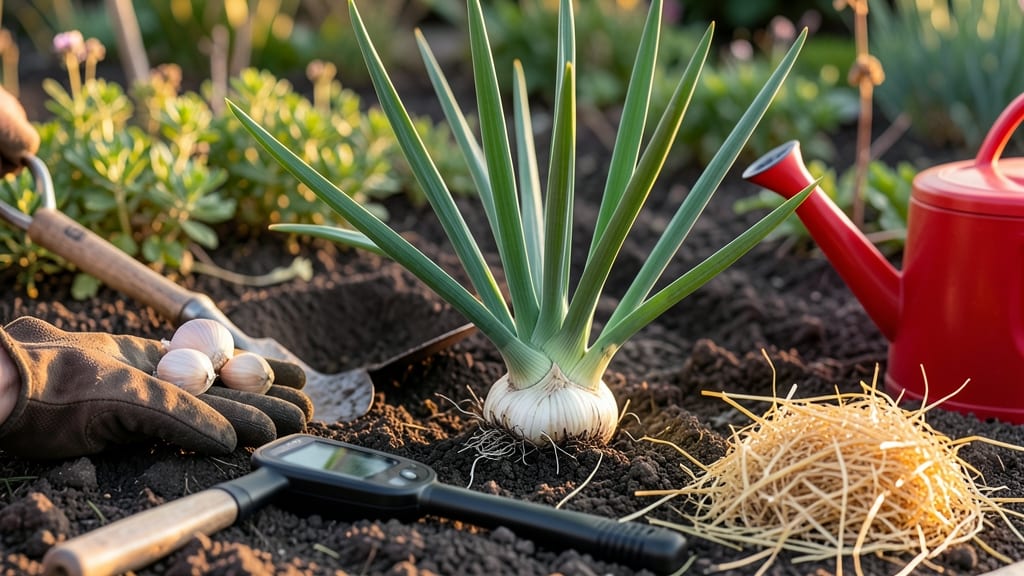
If you're dreaming of a homegrown harvest of 🧄 but don't want to gamble with San Diego's unpredictable winter weather, timing your garlic planting is the secret weapon you need.
Unlike cooler climates where frost signals the perfect planting window, San Diego's frost-free 10a zone means you've got a 6-month window to plant—with subtle differences between coastal chill and inland warmth. Get this wrong, and you'll end up with heat-stressed cloves instead of plump bulbs.
I've spent years testing the ideal planting months, and what I'm about to share will help you choose between fall's cooler temperatures or winter's milder days—plus how to adjust for your specific microclimate. Let's cut through the confusion and get your garlic off to the strongest possible start.
You'll discover exactly when to plant for maximum yield, which varieties thrive in our unique climate, and how to protect your crop from San Diego's signature Santa Ana winds. Ready to grow garlic that puts store-bought to shame?
Optimal garlic planting windows in San Diego’s microclimates
San Diego’s frost-free winters and diverse microclimates create unique opportunities for growing garlic year-round. Unlike colder regions, you don’t need frost to trigger bulb formation—just consistent cool temperatures and moderate moisture.
The key is planting when soil temps stay below 70°F to prevent heat stress, while avoiding summer’s scorching heat.
Most gardeners in San Diego focus on fall planting (October-December) for a summer harvest, but early winter (January-February) is also ideal for softneck varieties that thrive in milder conditions.
Coastal areas like La Jolla and Encinitas have cooler microclimates, while inland zones like Escondido or Ramona experience warmer nights—both require slight timing adjustments.
Hardneck garlic (like ‘Silverskin’ or ‘Rockville’) needs 60-80 days of cool weather to form bulbs, making fall planting critical. Softneck varieties (such as ‘Artichoke’) are more flexible and can handle San Diego’s mild winters with less precision timing.
🌱 San Diego Garlic Planting Windows by Microclimate
| Microclimate | Best Planting Window | Soil Temp Goal | Harvest Window | Key Consideration |
|---|---|---|---|---|
| Coastal (La Jolla, Encinitas) | October 15–November 15 | 55–65°F | June–July | Cooler nights, less heat stress |
| Inland (Escondido, Ramona) | November 1–December 15 | 60–68°F | July–August | Warmer nights, mulch required |
| Valley (San Diego, Chula Vista) | October 1–November 30 | 58–65°F | June–July | Moderate temps, adapt timing yearly |
| Early Winter (All Zones) | January–February | 60–68°F | August–September | Best for softneck varieties |
💡 Pro Tip: Use a soil thermometer to confirm temps before planting. Aim for 60–65°F for optimal bulb development.
If you’re new to garlic growing, fall planting is the safest bet for hardneck varieties, which produce the prized scape shoots and larger bulbs. Plant cloves 2 inches deep, 4–6 inches apart, with the pointy end up—this ensures straight, healthy growth.
Coastal gardeners can push planting slightly later (up to mid-November) thanks to cooler ocean breezes.
For inland areas, where nights can stay above 65°F even in winter, focus on early fall planting (October) and use 3–4 inches of straw mulch to keep soil cool.
This mimics the chilling period garlic needs without relying on frost. Softneck varieties like ‘California Early’ are your best bet here—they tolerate warmer conditions better than hardnecks.
One common mistake is planting too late in December or January, which can lead to heat stress as San Diego’s dry, sunny winters kick in. Garlic planted in these months may bolt (send up flower stalks) prematurely or produce small, pungent bulbs.
To avoid this, stick to the October–November window for hardnecks or opt for early winter planting of softnecks.
San Diego’s zero-frost guarantee means you can experiment with year-round garlic, but success hinges on soil temperature and variety selection. For example, ‘German White’ hardneck thrives in coastal areas, while ‘Creole’ softneck handles inland heat better.
Always choose certified organic seed garlic from local nurseries like San Diego Farm Supply or Cornucopia Farms to avoid diseases common in store-bought bulbs.
After planting, monitor your garlic for signs of stress, like yellowing leaves or stunted growth. These often indicate overheating or underwatering. In coastal gardens, morning fog can delay drying, so adjust harvest timing slightly later.
Inland gardens may need drip irrigation to maintain consistent moisture without wetting the leaves.
Remember: garlic is a patient crop. It takes 9–10 months
How to adjust planting for San Diego’s unpredictable weather patterns
San Diego’s weather can be as unpredictable as a coastal breeze—one day it’s foggy and cool, the next it’s blazing hot with Santa Ana winds. These shifts affect garlic growth, so flexibility in your planting strategy is key.
Unlike colder climates, zero-frost conditions mean we focus on heat stress prevention and moisture management rather than frost protection.
Coastal areas like La Jolla and Pacific Beach stay milder year-round, while inland zones like El Cajon can swing from 50°F nights to 80°F days in winter. Valley regions like Chula Vista experience even more dramatic shifts.
Adjust your planting timeline based on these microclimates—coastal garlic can handle later plantings, while inland areas need earlier starts to avoid summer heat stress.
🌱 Pro Tip: Use mulch heavily (4-6 inches of straw) to regulate soil temperature. This mimics the natural insulation garlic needs in colder climates while preventing overheating in inland zones.
Santa Ana winds can dry out soil rapidly, so water deeply weekly (1-2 inches per week) and avoid overhead sprinklers. Drip irrigation or soaker hoses deliver moisture directly to roots, reducing evaporation. For container-grown garlic, check soil moisture daily—pots dry out 3x faster than in-ground beds.
Foggy mornings are common along the coast, but they don’t harm garlic. In fact, they create a natural humidity shield that reduces fungal risks like white rot.
However, inland growers should monitor for sudden temperature drops below 50°F, which can stunt growth. Use row covers on cold nights if temperatures dip unexpectedly.
For a fall harvest (bulbs ready by June), plant in October-November and use heat-tolerant varieties like ‘California Early’. For spring bulbs (harvest July-August), plant in January-February and prioritize softneck varieties, which handle warmer soil better than hardnecks.
🌿 Final Tip: Test your soil’s drainage and pH (6.0-7.0 ideal) before planting. San Diego’s clay-heavy soils in some areas can suffocate garlic roots—amend with compost or sand if drainage is poor.