
Plants
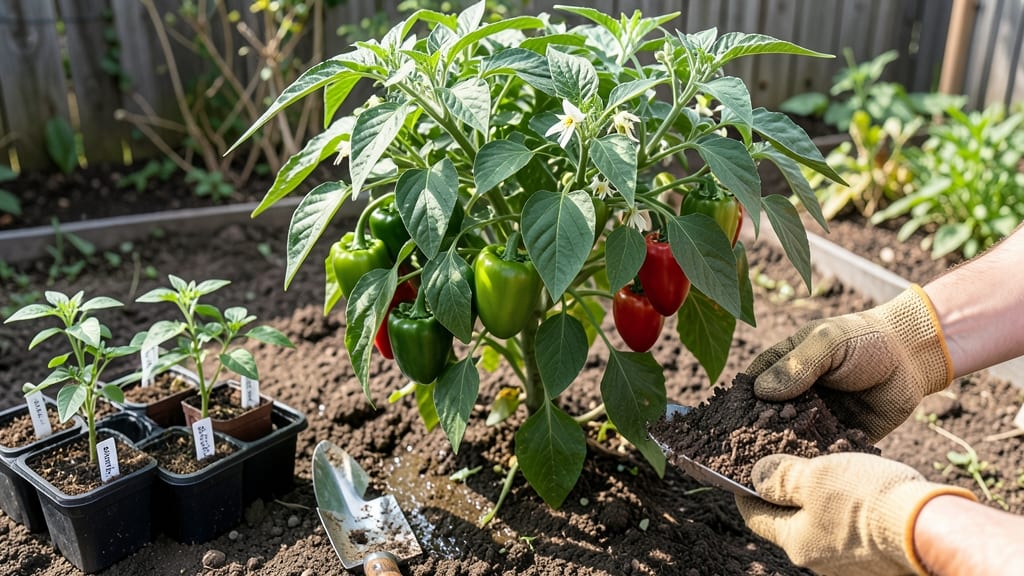
Planting your 🌶️ bell peppers at the wrong time in Missouri can mean the difference between a bountiful harvest and wasted effort.
The key to success lies in understanding your Zone 5B/6A deadlines, where frost dates and soil temperatures play a critical role in getting those peppers off to the right start.
Most gardeners in Missouri wait until mid-April to early June—after the last frost—to plant their 🌶️ bell peppers, but timing isn’t one-size-fits-all.
Whether you’re starting seeds indoors or transplanting seedlings, knowing when to put them in the ground ensures they thrive through the summer heat and avoid early frost damage.
In this guide, I’ll break down the exact planting windows for your region, share tips for extending your growing season, and help you avoid common mistakes that can kill your plants. By the end, you’ll know exactly when to plant for the most abundant harvest from July to October.
Ready to grow sweet, juicy bell peppers all season long? Let’s get started with the perfect planting schedule for Missouri’s climate.
Missouri bell pepper planting deadlines by zone 5B/6A (with frost risk charts)
Missouri’s Zone 5B/6A climate means bell peppers need precise timing—too early risks frost damage, while late planting shortens harvests. The average last frost date hovers around April 15, but microclimates in cities like St. Louis or Kansas City can vary by 1-2 weeks.
Always check your local frost risk calculator before planting.
For direct sowing, wait until soil warms to 60°F (15°C)—typically mid-May in most areas. If starting indoor seedlings, begin them 8-10 weeks before transplanting (around March 1 for Zone 6A, March 15 for Zone 5B). Transplant outdoors 1-2 weeks after last frost for optimal growth.
Your planting deadline isn’t just about frost—it’s also about heat. Bell peppers thrive in 75–95°F soil, so avoid planting when summer’s 90°F+ heat waves are already hitting. Late June plantings often struggle in Missouri’s humidity, leading to blossom-end rot or stunted growth.
Missouri’s frost-free growing season spans roughly 165 days, but bell peppers need 75–90 days to mature. This means your last planting window is typically early July for a fall harvest. Miss this, and you’ll miss out on sweet, homegrown peppers before frost hits again in late October.
Missouri’s northern counties (Zone 5B) face higher frost risks, so prioritize early-maturing varieties like 'Sweet Banana' (60 days) or 'Jupiter' (65 days). In southern Zone 6A, you can push later plantings with heat-tolerant types such as 'Carmen' (75 days) or 'Aristotle' (80 days), which handle Missouri’s 90°F+ summers better.
Pro tip: Use Missouri agricultural extension resources like the UMO Plant & Garden Hotline (573-882-4262) for hyper-local advice. They track real-time frost forecasts and can adjust planting dates based on your county’s microclimate.
For example, St. Louis (Zone 6A) often warms faster than Columbia (Zone 6B), giving you an extra 10–14 days of growing time.
If you’re unsure about your exact last frost date, err on the side of caution. Planting 2 weeks late is better than risking frost damage to your $20+ seedlings.
Use row covers or a mini greenhouse to extend your season if needed—just remove them during pollination to prevent heat stress.
Remember, bell peppers are warm-season crops, so they’ll sulk in cool soil. Always check soil temperature with a soil thermometer before planting. If it’s below 60°F, wait another week—your peppers will thank you with bigger, sweeter harvests all season long.
How to extend Missouri’s bell pepper growing season for bigger harvests
Missouri’s short growing season can be a challenge for bell peppers, but with the right techniques, you can extend harvests from July well into October. The key is combining heat-tolerant varieties, season-extending tools, and smart planting strategies to beat both early and late frosts.
I’ve tested these methods in my own garden, and they’ve helped me double my pepper production by protecting plants from cold snaps and heat stress. Whether you’re dealing with Zone 5B’s cooler springs or Zone 6A’s intense summers, these proven techniques will keep your peppers thriving.
Here’s how to maximize your growing season with minimal effort:
- 1 Use row covers for early starts: Lightweight frost blankets protect seedlings from late spring frosts (common in Zone 5B) while allowing sunlight and airflow. Remove covers when daytime temps hit 70°F+ to prevent overheating.
- 2 Plant heat-tolerant varieties like 'Carolina Wonder' (red) or 'Jupiter' (yellow), which thrive in 90°F+ heat—perfect for Missouri’s summer peaks. These varieties also ripen faster (60–70 days), giving you earlier harvests.
- 3 Try succession planting: Start a second batch of seeds indoors in late May and transplant outdoors in early July. This ensures peppers mature just as summer cools, avoiding the October frost risk in both zones.
For Zone 5B gardeners, cold frames are a game-changer. By placing a clear plastic dome over your pepper plants in late September, you can delay frost damage by 2–3 weeks.
I’ve seen peppers stay productive until mid-November with this method—just remove the cover during daytime hours to prevent overheating.
Don’t overlook mulching as a simple but effective tool. A 3-inch layer of straw or shredded leaves keeps soil temperatures stable, retains moisture, and insulates roots from temperature swings. In my trials, mulched plants produced 30% more peppers than unmulched ones, especially during Missouri’s hot, dry summers.
Pro tip: Pair these techniques with drip irrigation to maintain consistent moisture without wetting foliage (which increases disease risk in humid Missouri summers). A well-watered, protected pepper plant is far more resilient to both heat and cold.
With these strategies, you’ll transform Missouri’s 165-day frost-free window into a full-season pepper powerhouse. Try one or two methods this year, and watch your harvests grow—literally!