
Planting
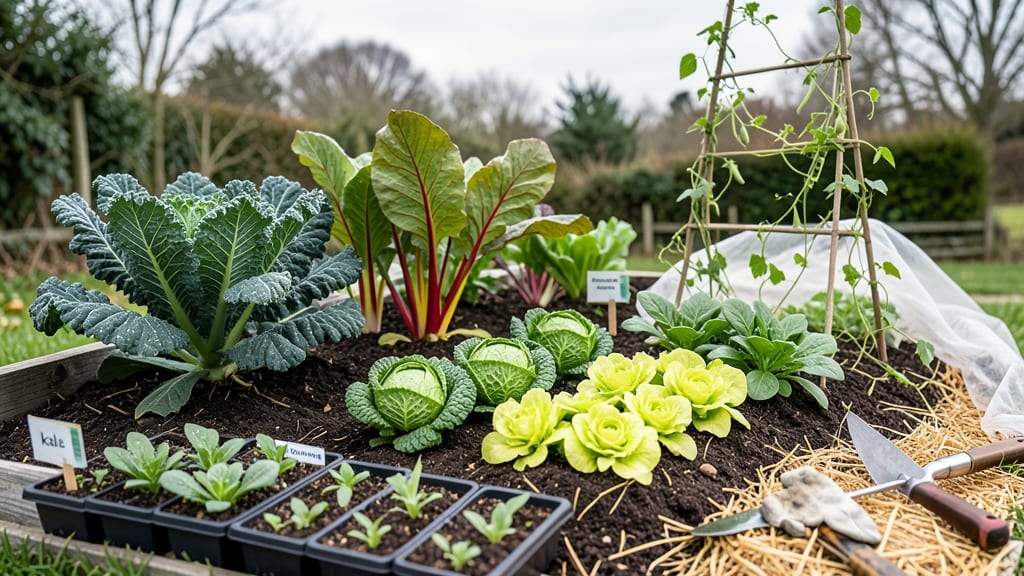
Planting a garden in North Dakota isn’t just about throwing seeds in the dirt—it’s a race against the clock to beat frost and maximize your harvest.
With only 100-120 frost-free days in zones 3b-4b, timing is everything, and even a week off can mean the difference between a thriving garden and a sad, wilted disappointment.
Most gardeners here wait until mid-May to early June to plant their 🌱 general garden vegetables, but the real secret lies in knowing which crops can handle cooler soil and which need to wait for warmth.
Cool-season veggies like peas and lettuce can go in as early as late April, while tomatoes and peppers need to wait until late May or early June when soil temperatures hit at least 50°F.
I’ve learned the hard way that rushing can backfire—last year, my early-planted beans froze overnight, and my tomatoes struggled to ripen before the first frost in September. But with the right schedule, you can stretch your growing season and enjoy fresh produce from late June to September.
In this guide, I’ll break down the exact planting windows for every major crop, share my top tips for extending the season, and help you avoid the most common mistakes. Let’s make this your most successful garden year yet!
North Dakota frost-free dates by region: planting windows for vegetables
North Dakota’s growing season is short but productive when you time your planting perfectly. The state spans USDA hardiness zones 3A to 5A, meaning frost dates vary dramatically from the southern border (zone 4B) to the northern border (zone 3A).
Knowing your last average frost date is critical—plant too early and risk frost damage, too late and miss peak harvests.
Most of North Dakota experiences its last spring frost between May 10-25, while the first fall frost arrives September 5-20. Southern regions like Grand Forks have a 100-120 day frost-free window, while northern areas like Minot may only see 80-90 days.
Use these dates as your planting guideposts.
For cool-season crops like peas, spinach, and lettuce, you can start 4-6 weeks before your last frost date. Warm-season crops—tomatoes, peppers, and beans—must wait until after the last frost when soil temperatures reach at least 50°F. Below is a region-specific breakdown to help you plan.
| Region | USDA Zone | Last Frost Date | First Frost Date | Plant Cool-Season Crops | Plant Warm-Season Crops |
|---|---|---|---|---|---|
| Southern ND (Fargo, Grand Forks) | 4A-4B | May 10-15 | September 15-20 | April 15-May 1 | May 20-June 5 |
| Central ND (Bismarck, Dickinson) | 4A | May 15-20 | September 10-15 | April 20-May 5 | May 25-June 10 |
| Northern ND (Minot, Devils Lake) | 3B-4A | May 20-25 | September 5-10 | May 1-May 15 | June 1-June 15 |
For cool-season crops, start seeds indoors 4-6 weeks before your last frost date or direct-sow 2-4 weeks before. Examples include spinach, peas, and lettuce, which tolerate light frosts.
In southern regions, you can even plant hardy greens like kale and Swiss chard as early as mid-April under row covers.
Warm-season crops like tomatoes, peppers, and cucumbers need consistent warmth to thrive. Plant these after your last frost date when soil temperatures reach at least 60°F. In northern regions, use black plastic mulch to warm the soil faster.
If you’re eager to start, begin warm-season seeds indoors in late March for a head start.
Always check the ND State Climate Network or your local extension office for real-time frost forecasts, as weather patterns can shift. Microclimates—like urban areas with heat islands—may also allow for earlier planting. Use a soil thermometer to confirm warmth before planting heat-loving crops.
Pro tip: Mark your calendar with local frost dates and set reminders for soil warming. In North Dakota, every extra week of growing season counts—especially for long-season crops like corn and melons. With the right timing, you can enjoy a bountiful harvest despite the short season!
Best vegetables to plant in North Dakota’s short season: fast-growing vs. long-season crops
North Dakota’s 100-120 frost-free days mean you need to prioritize crops that mature quickly or can handle cooler temperatures. My top recommendation? Start with fast-growing vegetables like bush beans (50-60 days) and radishes (25-30 days), which thrive even in cooler soil.
These varieties give you a harvest before the first frost in mid-September, while slower growers like tomatoes (70-85 days) need to be planted early and protected.
For cool-season crops, I swear by spinach and kale, which can handle light frosts and even improve in flavor after a freeze. These can go in the ground as early as late April under row covers.
Meanwhile, warm-season crops like peppers and eggplants need to wait until late May or early June when soil temperatures hit at least 60°F—any earlier, and they’ll sulk or rot.
Here’s my must-plant list for North Dakota gardens, ranked by maturity time and hardiness:
Pro tip: Succession planting is your best friend in North Dakota. For example, I plant radishes every 2 weeks from April to July to ensure a steady harvest. Even for slower growers like carrots (60-70 days), I stagger plantings in May and June to avoid a glut all at once.
The North Dakota State University Extension recommends spacing plantings 3-4 weeks apart for most vegetables to maximize yield.
One mistake I made my first year was planting cucumbers too late—they needed 90+ days to mature, and frost hit before they ripened. Now, I stick to bush varieties like ‘Bush Champion’ (55 days) or grow them in containers that I can move indoors before frost.
If you’re new to gardening here, start with 5-6 fast crops from the list above, then expand as you gain confidence.
Remember, soil temperature matters more than air temperature. Use a soil thermometer to check—most seeds need soil at 40-50°F for cool-season crops and 60-70°F for warm-season crops. If your soil is too cold, wait or use black plastic mulch to warm it up faster.
With the right choices, you can enjoy fresh homegrown veggies from June to October—even in North Dakota! 🌱