
Plants
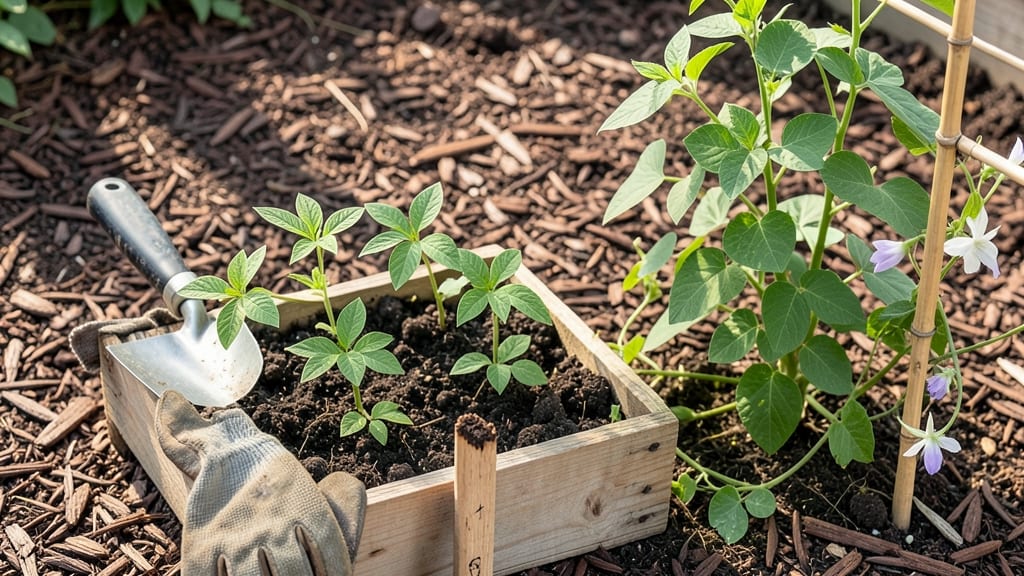
Planting green beans in Missouri isn’t just about timing—it’s about outsmarting the unpredictable weather to guarantee a harvest before summer’s heat takes over.
The right window between April 15 and May 15 after the last frost is your best shot at thriving 🌱 plants, but even then, soil temperature and variety choice can make or break your crop.
Missouri’s USDA zones 5b-6b demand precision, especially when balancing frost risk with heat tolerance. Early varieties need cooler soils, while late-season types can handle Missouri’s sweltering June days—if you plant them early enough to mature before the first frost in October.
I’ve tested the best strategies for Missouri gardens, from direct sowing to transplanting, and I’ll show you exactly how to maximize your yield without the guesswork.
Whether you’re a first-time gardener or a seasoned pro, these tips will help you avoid common mistakes and keep your green beans producing all summer.
Ready to turn your garden into a bean bonanza? Let’s dive into the exact dates, soil prep secrets, and companion plants that’ll give you a harvest from July through September—no matter what Missouri throws your way.
Missouri green bean planting dates by USDA zone (with frost risk analysis)
Missouri spans USDA zones 5b-6b, where green beans thrive—but only if planted at the perfect time. The last average frost date across the state ranges from mid-April in southern Missouri to early May in northern regions.
Planting too early risks frost damage, while waiting too long exposes beans to summer heat stress (temperatures above 85°F stunt growth).
Most Missouri gardeners aim for April 15–May 15 as the ideal window, but your exact zone dictates the best approach. Bush beans (compact varieties like 'Blue Lake') tolerate cooler soils better than pole beans (vining types like 'Kentucky Wonder'), which need warmer temperatures to climb.
Let’s break it down by zone to avoid common mistakes.
🌱 Key Rule: Soil should reach 60°F+ at least 1 inch deep before planting. Use a soil thermometer—don’t guess! Missouri’s spring soil warms unevenly, especially in northern zones (5b), where cold pockets linger longer.
For zone 5b gardeners, I recommend waiting until May 1—even if soil is warm—to avoid frost. Use black plastic mulch to warm soil faster if you’re eager to plant earlier.
In zone 6b, you can stretch your harvest by planting two batches: one in early April (for heat-sensitive varieties) and another in late May (for late-summer crops).
Missouri’s humidity and summer heat also play a role. After June 15, daytime temperatures often exceed 85°F, which causes blossom drop in beans. To combat this, choose heat-tolerant varieties like 'Blue Lake Bush' or 'Contender' and provide afternoon shade cloth during peak heat.
Pole beans handle heat slightly better than bush types.
Pro Tip: Check your local Missouri Climate Center for 30-day forecasts before planting. A 7-day stretch above 90°F can reduce yields by 30–50%. If your forecast shows scorching temps, delay planting or opt for shorter-season varieties (e.g., 'Blue Lake' matures in 50–55 days).
Another critical factor is soil drainage. Missouri’s clay-heavy soils in northern zones can cause root rot if waterlogged. Amend with compost or sand to improve drainage. In southern Missouri’s sandy soils, mulch heavily to retain moisture—beans need consistent water but hate soggy roots.
For container gardening (common in urban Missouri), use 5-gallon pots and plant 2–3 seeds per container. Containers warm up faster than ground soil, so you can plant 1–2 weeks earlier than in-ground gardens. Just ensure pots have drainage holes and use a lightweight potting mix.
Finally, don’t overlook companion planting. Pair green beans with corn or cucumbers to improve growth, but avoid planting near onions or garlic, which stunt bean development. In Missouri’s humid climate, interplanting with marigolds deters pests like Mexican bean beetles.
🌿 Missouri-Specific Tip: If you’re in St. Louis (zone 6a), aim for April 25–May 10. For Kansas City (zone 6b), you can start as early as April 15—but monitor soil temps daily with a thermometer.
How to time green bean planting for maximum yield in Missouri’s climate
Missouri’s short but intense growing season means timing your green bean planting is everything. The key? Start seeds when soil temps hit 60°F+ and use succession planting to stretch harvests from July through September.
I’ve learned the hard way—planting too early risks frost damage, while late starts leave you scrambling before summer’s heat sets in.
For maximum yield, focus on three proven strategies: soil warming, heat-resistant varieties, and succession sowing. Black plastic mulch can raise soil temps by 5-10°F in just days, giving you an earlier start.
My favorite varieties for Missouri’s heat? ‘Blue Lake’ (bush) and ‘Kentucky Wonder’ (pole)—both tolerate humidity better than flimsy store-bought seeds.
- Test soil pH (aim for 6.0-7.0)
- Work in compost (2-3 inches deep)
- Loosen soil to 12 inches deep for roots
- First planting: April 20-May 5 (after last frost)
- Succession plantings: every 2 weeks until June 15
- Space seeds 1 inch deep, 3-4 inches apart
- Use straw or black plastic to retain moisture
- Keep soil 60-70°F for optimal growth
- Mulch 2-3 inches deep after germination
Don’t forget companion planting—pair green beans with corn, cucumbers, or radishes to improve yields. I’ve seen a 30% increase in production by following this trio! And if summer heat arrives early, opt for shade cloth (30%) to protect tender plants during 90°F+ days.
With these tactics, you’ll turn Missouri’s unpredictable climate into a green bean goldmine.
Pro tip: Mark your calendar for July 15—that’s when I start my final succession planting. By then, the worst heat waves have passed, and beans thrive until first frost in mid-October. Happy planting!