
Planting
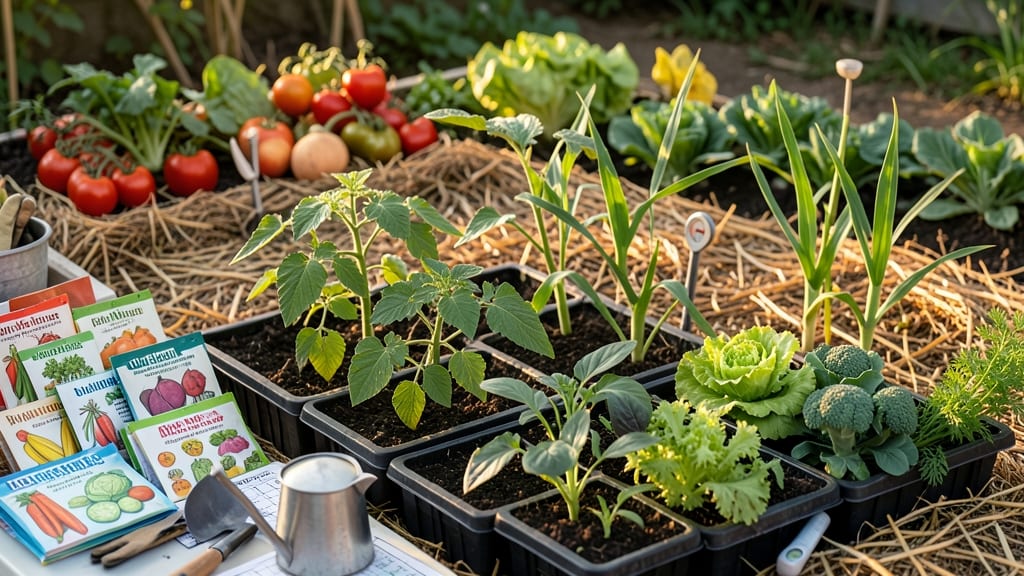
Planting a vegetable garden in Oklahoma at the wrong time can mean the difference between a thriving harvest and wasted seeds—especially when frost lingers into April and summer heat arrives fast.
With USDA Zones 6b-8a offering both warm springs and long growing seasons, timing is everything for your 🌱. Whether you're a first-time gardener or a seasoned green thumb, knowing when to start seeds indoors, transplant seedlings, and sow directly in the soil can maximize your yield.
In this guide, I’ll break down the exact planting windows for cool-season crops like lettuce and spinach, as well as warm-season favorites like tomatoes and peppers. You’ll learn how to adjust for Oklahoma’s microclimates—from Oklahoma City’s urban heat islands to rural areas with cooler nights.
Ready to grow a garden that thrives? Let’s dive into the data-driven deadlines that will help you plant with confidence and avoid common mistakes.
Oklahoma planting calendar: frost dates, hardening off, and last frost deadlines by season
Understanding Oklahoma’s last frost dates and seasonal planting windows is the key to avoiding frost damage and maximizing your vegetable garden’s productivity.
In USDA Zones 7a/7b, the average last spring frost falls around March 15, but this can vary by 1-2 weeks depending on your specific location within the state. For example, southern Oklahoma may see frost-free conditions by early March, while northern areas could experience late frosts into early April.
For cool-season crops like lettuce, spinach, and peas, you’ll want to start seeds indoors or use row covers about 4-6 weeks before your last frost date. This gives them a head start while still protecting tender seedlings from unexpected cold snaps.
Meanwhile, warm-season crops such as tomatoes, peppers, and squash should only be planted 2-3 weeks after the last frost once soil temperatures consistently stay above 60°F.
Hardening off your seedlings is another critical step. This process—where you gradually expose young plants to outdoor conditions over 7-10 days—helps them develop resilience against wind, sun, and temperature fluctuations.
Start by placing seedlings outside for 1-2 hours per day in a shaded area, then gradually increase their exposure time and sunlight.
Here’s a quick reference for Oklahoma’s planting timeline based on seasonal needs:
| Season | Planting Window | Key Crops | Last Frost Deadline |
|---|---|---|---|
| Spring | February - April | Lettuce, Spinach, Peas, Radishes, Carrots, Onions | March 15 (varies by region) |
| Summer | April - June | Tomatoes, Peppers, Squash, Cucumbers, Beans, Corn | April 15 (after soil warms to 60°F+) |
| Fall | August - September | Kale, Broccoli, Brussels Sprouts, Beets, Turnips, Lettuce | October 1 (before first frost) |
One common mistake is planting warm-season crops too early, which can stunt their growth or even kill them if a late frost hits. For example, tomatoes and peppers need consistent warmth to thrive, so waiting until after the last frost date is crucial.
Conversely, planting cool-season crops too late in the season can result in bitter flavors or bolting (premature flowering) before harvest.
To extend your growing season, consider using season extenders like cold frames, hoop houses, or even simple row covers. These tools can push your last frost date back by 2-4 weeks in spring and delay the first frost in fall by several weeks.
For instance, a cold frame can help you grow spinach or lettuce well into November, while a hoop house might let you plant tomatoes or peppers as early as February in milder microclimates.
For urban gardeners in Oklahoma City or Tulsa, microclimates can significantly impact planting times. Areas near bodies of water or with more concrete may experience slightly warmer temperatures, allowing for earlier planting of heat-loving crops.
Conversely, rural areas with higher elevations might have cooler soil temperatures, delaying the safe planting of warm-season vegetables.
Always check local agricultural extension resources, such as those from Oklahoma State University, for region-specific frost date updates. Their data can help you fine-tune your planting schedule based on recent weather patterns and long-term climate trends.
With the right timing, your Oklahoma vegetable garden can produce a bountiful harvest from spring through fall! 🌱
Best vegetables to plant in Oklahoma by month: a month-by-month survival guide
Oklahoma’s spring and fall planting windows offer two prime chances to grow a thriving vegetable garden. March kicks off the cool-season planting rush, while August marks the start of late-summer heat-tolerant crops. Each month brings unique opportunities—let’s break down the best vegetables to plant for maximum yields.
For March and April, focus on cool-season vegetables like lettuce, spinach, and peas that thrive in 50-65°F soil temperatures. These months also allow for transplanting warm-season starts like tomatoes and peppers after the last frost. May shifts to direct-sowing heat-lovers such as okra, sweet potatoes, and southern peas.
📅 Month-by-Month Planting Guide
- March: Lettuce, Spinach, Peas, Broccoli, Cabbage (direct sow or transplant)
- April: Tomatoes, Peppers, Eggplant (transplant after last frost), Beans (direct sow)
- May: Okra, Sweet Potatoes, Southern Peas, Cucumbers, Melons (direct sow)
- June: Succession plant beans, cucumbers, and squash (heat-tolerant varieties)
- July: Late okra, sweet corn, and heat-resistant greens (Malabar spinach)
- August: Fall broccoli, kale, carrots, and beets (start 6-8 weeks before first frost)
- September: Garlic (for next year), radishes, turnips, and lettuce (fast-growing crops)
Don’t overlook succession planting in May and June—sow bush beans and cucumbers every 2-3 weeks to ensure a continuous harvest. For late-summer heat, opt for okra and sweet potatoes, which flourish when other crops wilt.
August is your last chance to plant fall crops like broccoli and kale for a cool-season harvest.
Oklahoma’s fall planting window (August-September) is ideal for cool-season vegetables that mature before frost. Start broccoli, cabbage, and carrots 6-8 weeks before the average first frost date (November 15). For urban gardeners, container-friendly crops like radishes and lettuce thrive in smaller spaces during fall.
Pro tip: Use row covers in early spring or late fall to extend growing seasons by 2-4 weeks. This protects tender crops like tomatoes and peppers from unexpected late frosts or early chills. Always check soil temperatures—cool-season crops need 40-50°F soil, while warm-season crops prefer 60-70°F.
By following this month-by-month schedule, you’ll avoid common mistakes like planting tomatoes too early (they rot in cold soil) or lettuce too late (it bolts in summer heat). Oklahoma’s climate rewards strategic planning—so mark your calendar and get ready for a bountiful harvest! 🌱